
Is it worth trimming cats’ nails?
Every cat owner has wondered at least once whether they should trim their pet’s nails. At first glance, it seems like a logical way to protect the home environment (furniture, floors, or curtains) from scratching. However, it’s important to consider not only the practical aspect but also the cat’s health and behavior.
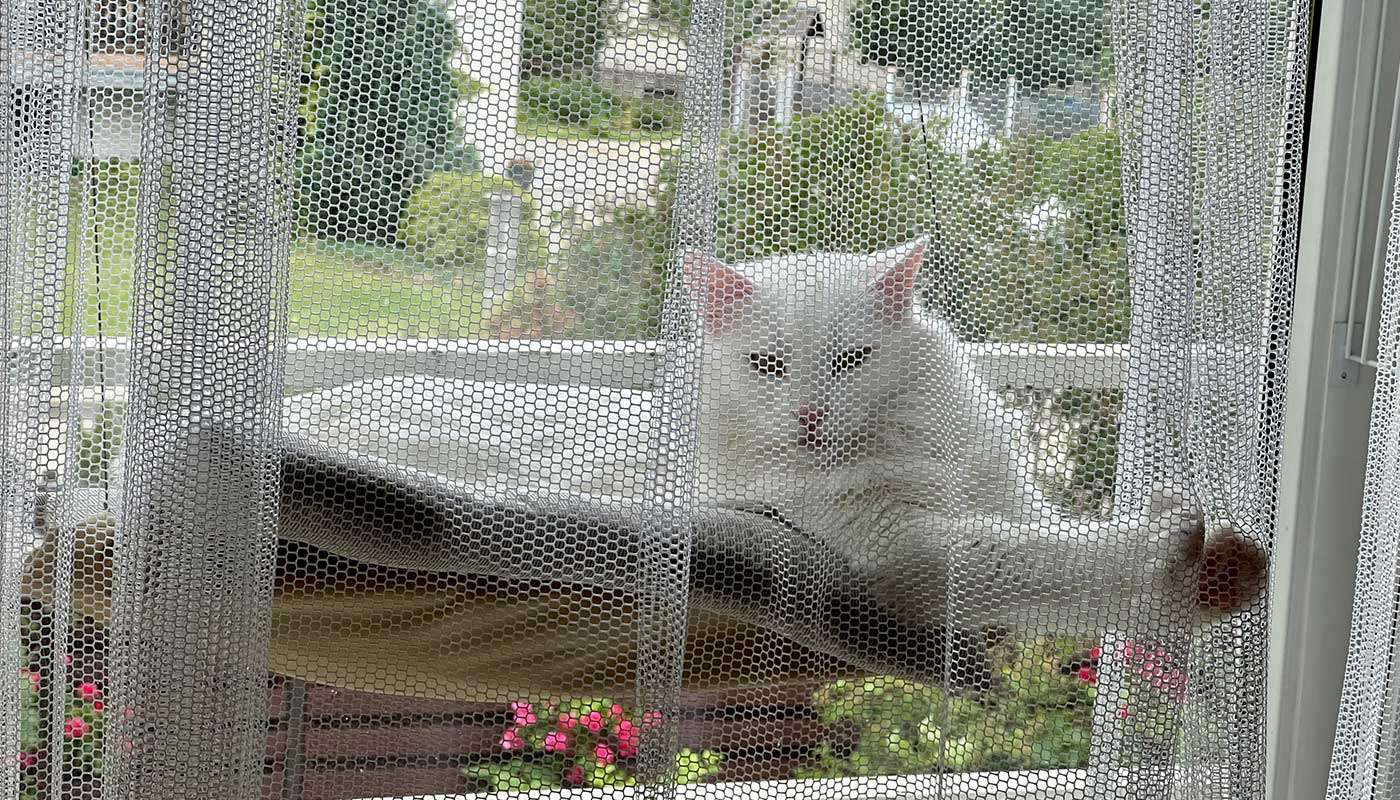
Why do cats scratch things?
Natural instinct. For cats, scratching is a way to care for their nails by removing the top, loose layer of the nail.
Marking. Cats have scent glands in their paws, and by scratching surfaces, they leave their scent behind. This is how they mark their territory.
Movement training. Scratching also helps cats stretch their muscles and relieve tension.
When should you trim a cat’s nails?
Nails are too long. If you notice the nails have grown excessively (for example, they start catching on the carpet when the cat walks), then it’s time to trim them.
Health problems. Sometimes, if nails are growing incorrectly (for example, tending to grow into the paw pad), a veterinarian may recommend trimming them regularly.
Excessive indoor activity. If the cat frequently scratches furniture or other household items, you can try combining nail trimming with alternatives (e.g., scratching posts or special protective covers).
How to trim properly?
Proper clippers. Use special clippers or trimmers designed for animal nails.
Caution. Only trim the clear part of the nail. Avoid the pink area, as it contains blood vessels which, if cut, can bleed and cause the cat pain.
Preparation. If the cat isn’t used to this procedure, it’s better to wait until they’re calm, tired, or sleeping.
Positive associations. After trimming each nail, offer a treat or pet the cat so they associate the procedure with pleasant experiences.
Is it always necessary to trim nails?
Not always. Cats with enough scratching surfaces (e.g., scratching posts, mats) may need nail trimming very rarely or not at all. Cats living outdoors or those who go outside often naturally wear down their nails by scratching tree bark or other outdoor surfaces. However, if a cat only lives indoors, its nails may grow too long, especially if there aren’t sufficient scratching surfaces.
In such cases, occasional trimming is a reasonable solution to prevent damage to the home and injury to the paws.

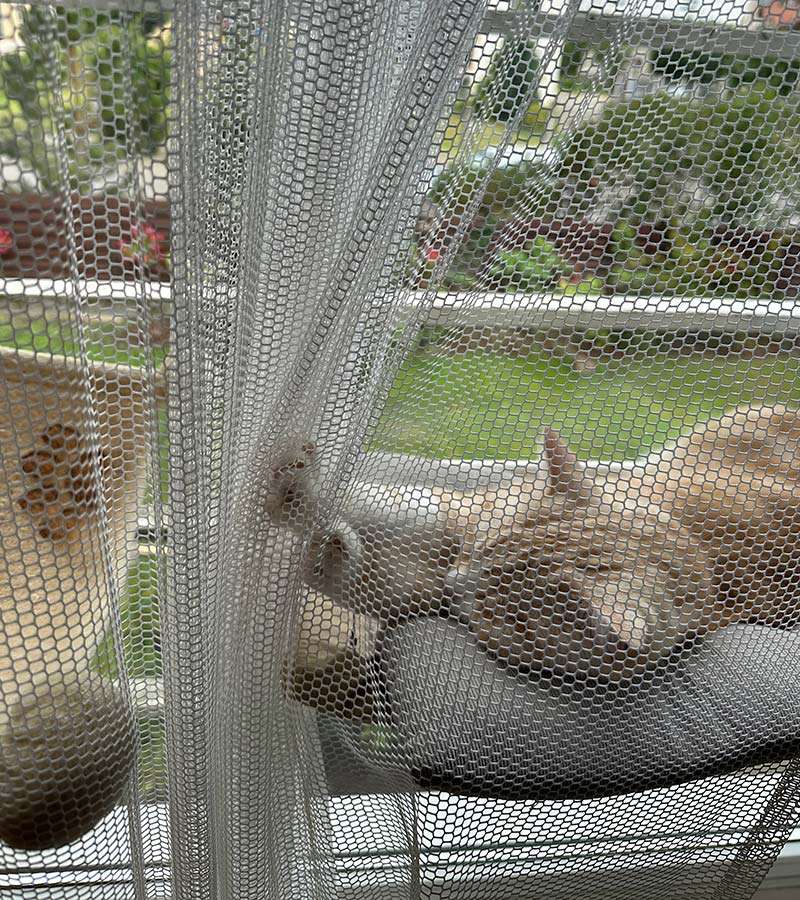
Even if you regularly trim your cat’s nails, it may still decide to showcase its “scratching art” on the curtains. If you want to protect your interior but don’t want to constantly worry about potential damage, it’s worth considering special daytime curtains that are more resistant to pets’ nails and teeth.
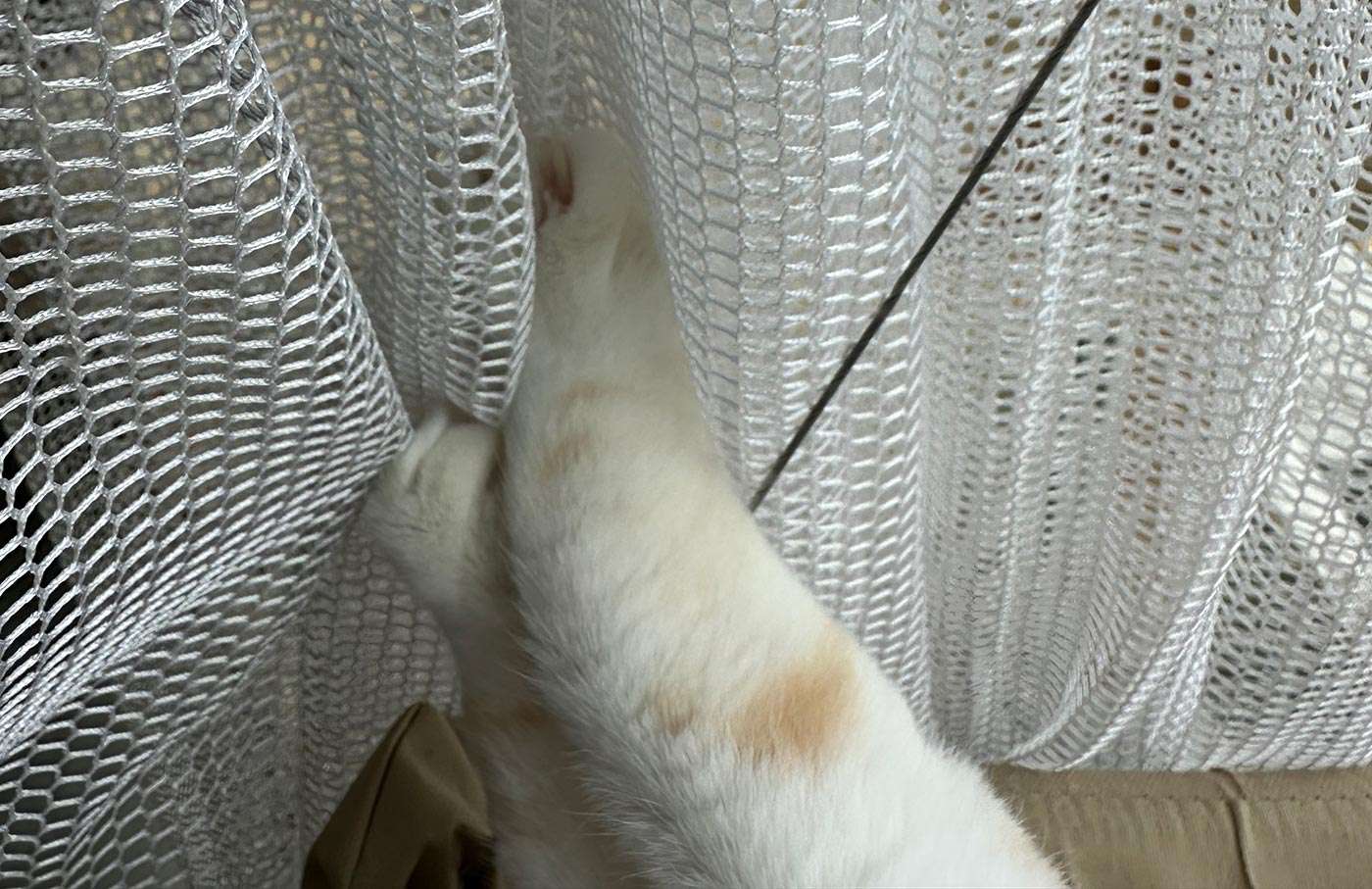
Why are curtains worth considering?
Durable fabric. These curtains are made from a denser, more damage-resistant material, so they’re not easily torn.
Longer service life. By investing in high-quality curtains, you can avoid frequent replacements.
Additional protection. Curtains not only protect against direct sunlight and curious passersby, but also remain attractive even when your cat engages in its “nail exercises.”
Concluding remarks
To trim or not to trim?
If your cat lives strictly indoors and doesn’t have many opportunities to wear down its nails naturally, trimming them responsibly can be a great solution. However, remember that you must do it properly and carefully to protect your cat’s health and well-being.
Don’t forget the alternatives.
Provide your cat with various scratching posts, giving it a place to satisfy its need to scratch.
Scratch-resistant curtains.
Even with supervision, regular nail trimming, and several scratching posts available, your cat might still take an interest in your curtains. By choosing special daytime curtains made from durable, scratch-resistant fabric, you can protect your home from unnecessary damage.
Finally, it’s important to remember that scratching is a natural behavior for cats, helping them maintain good health and psychological comfort. So, look for the best compromise: ensure suitable conditions for your cat and, if needed, opt for practical and sturdy interior details that not only enliven your home but also withstand your little predator’s claws.