
You Rarely See Cats on the Streets in Australia. Cats Around the World
When you first arrive in Australia, one detail feels very unusual to many cat lovers. The cities are full of birds, parks, and small animals, yet you hardly see any stray cats. Even in residential neighborhoods, cats rarely roam outdoors the way we are used to seeing in Lithuania or across Europe.
At first, many travelers do not even think about why this is. But Australia’s history with cats is very unusual - and also quite complicated.
How Cats Arrived in Australia
Cats are not native to Australia. They arrived on the continent with Europeans in the late 18th century. Cats were kept on ships to catch mice and rats, and later they also became household pets.
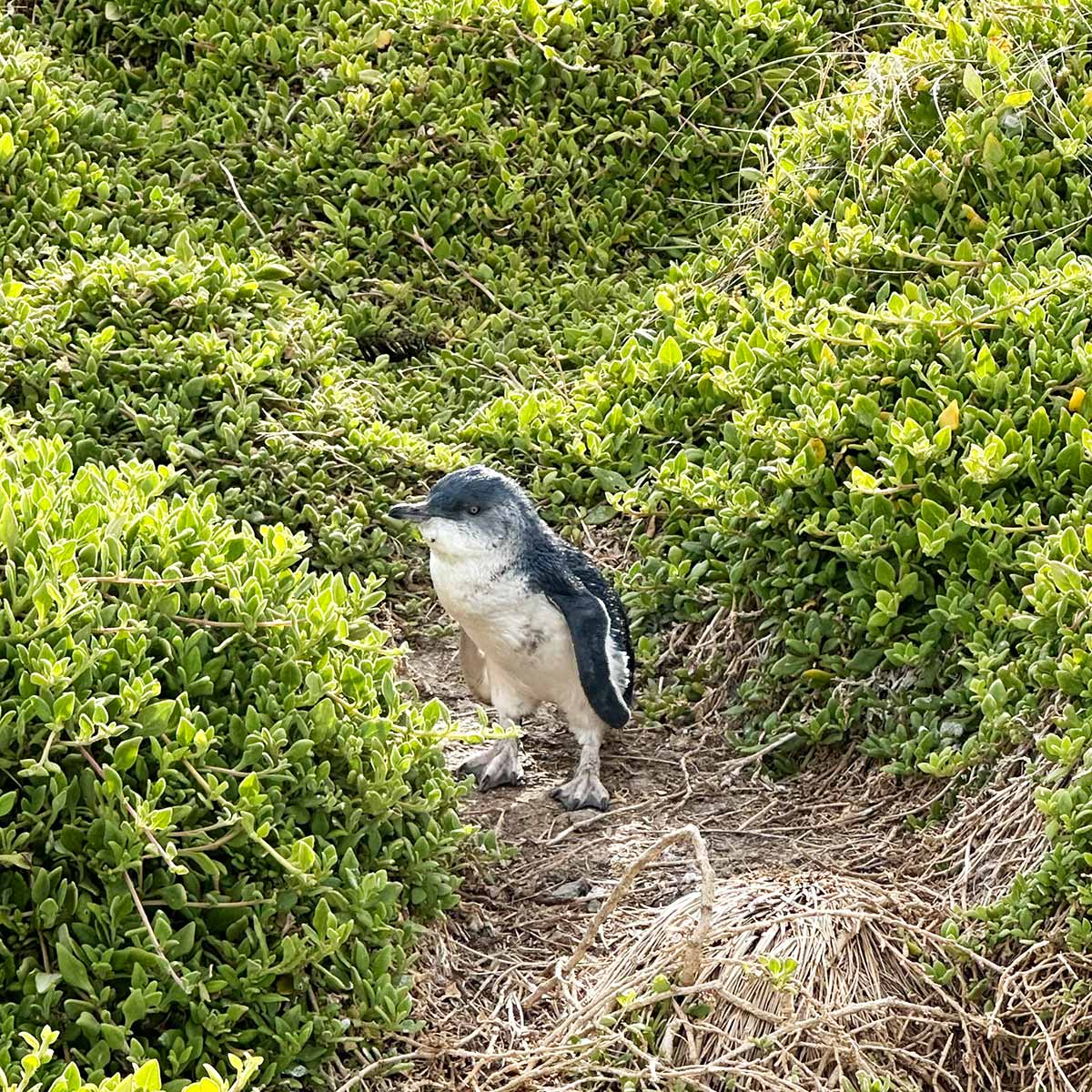
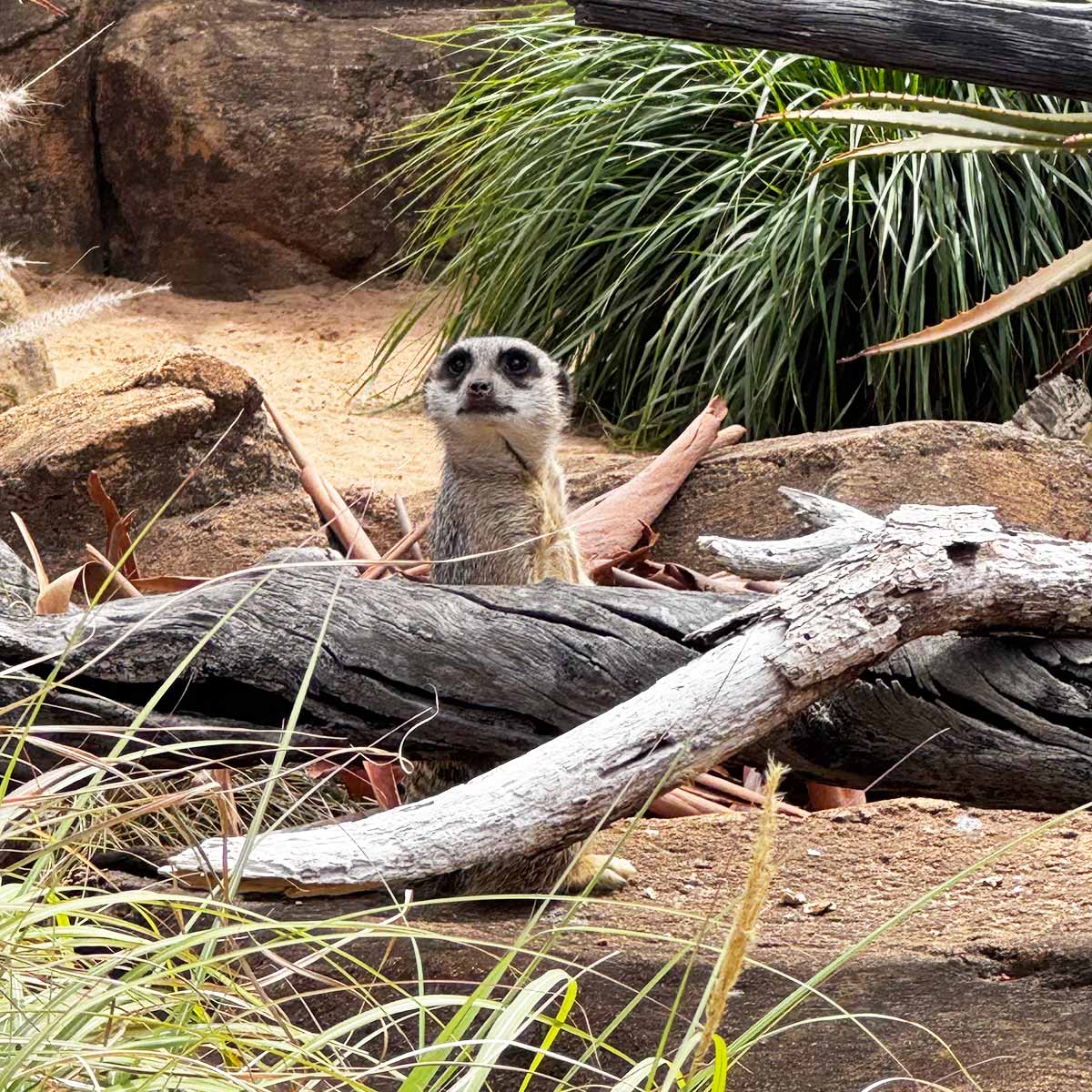
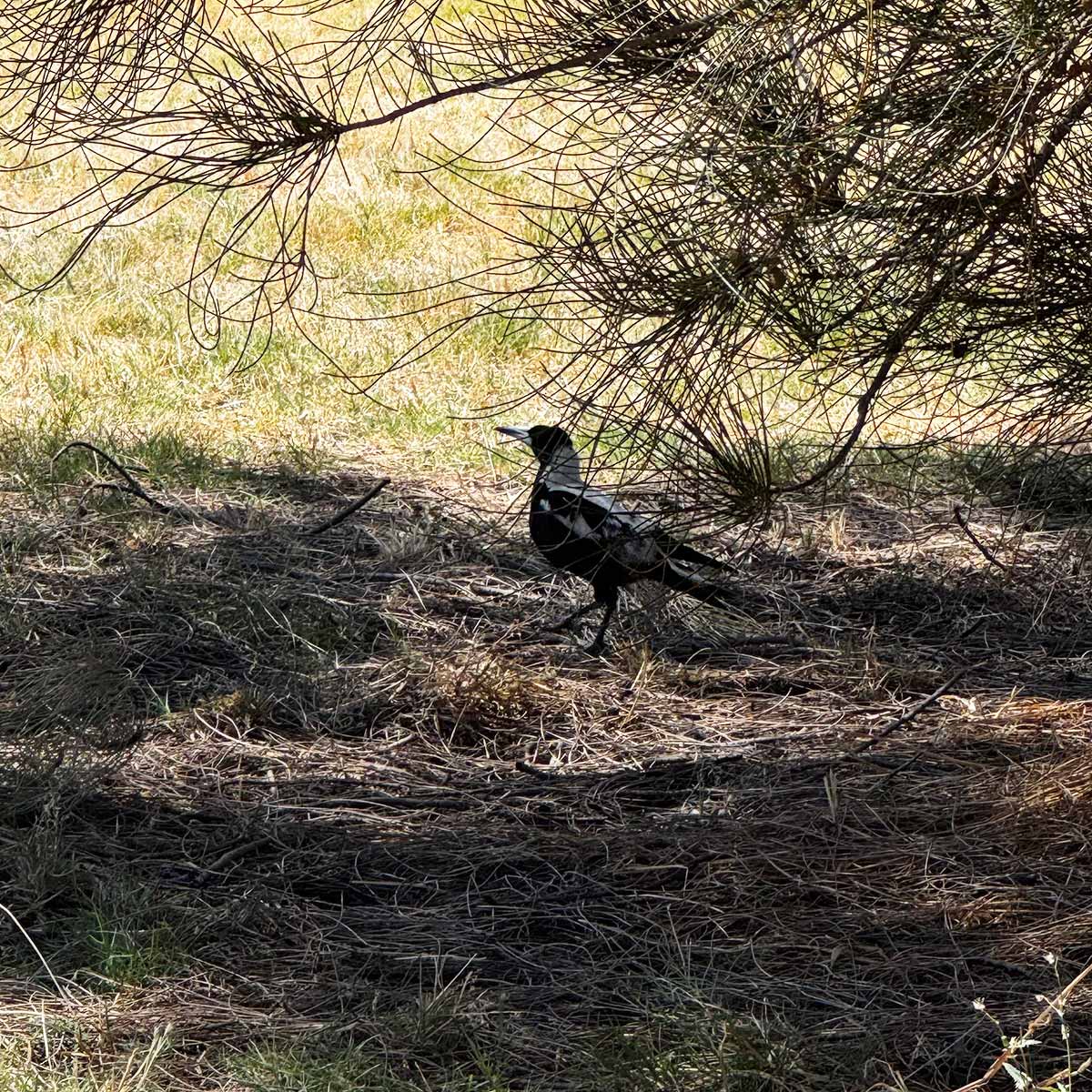
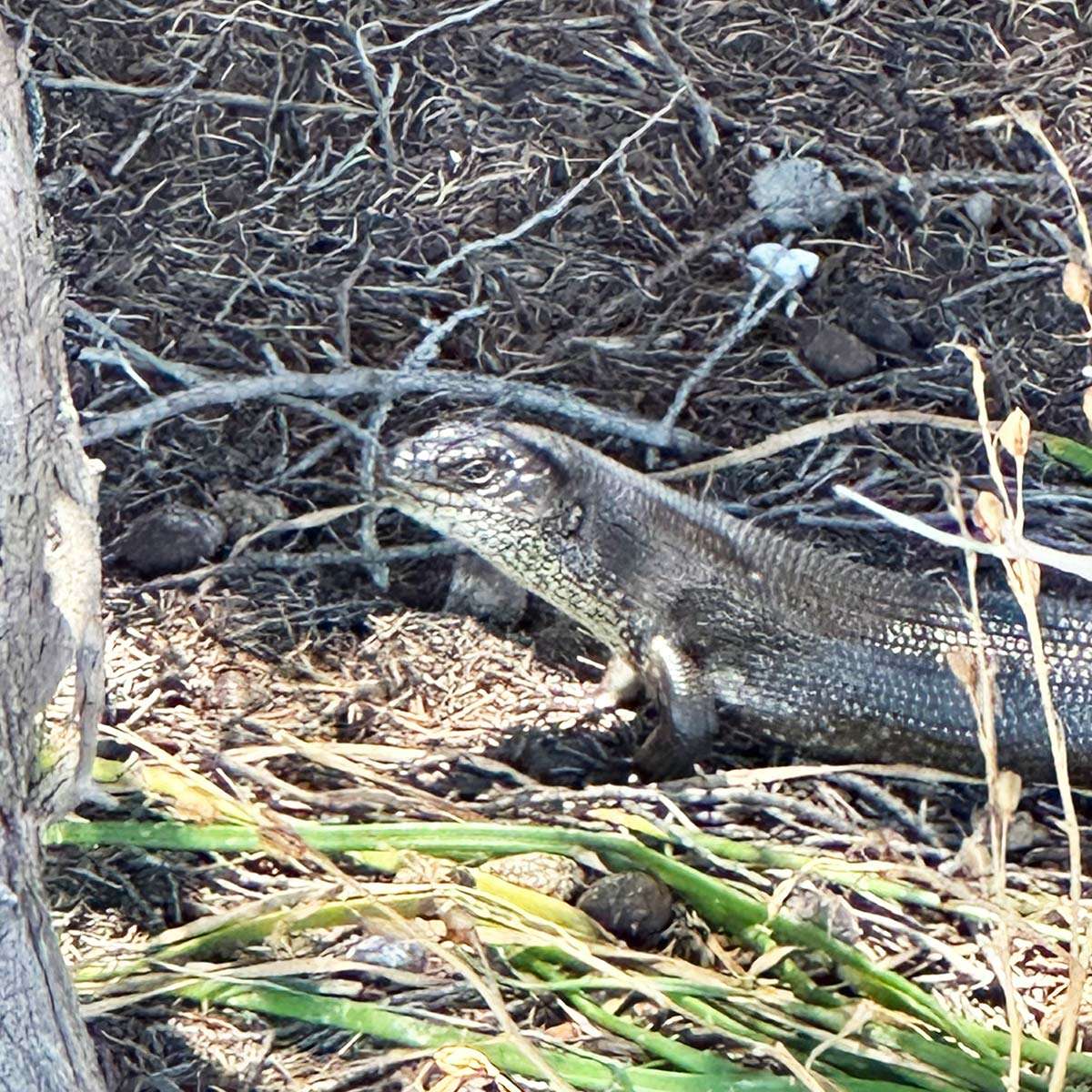
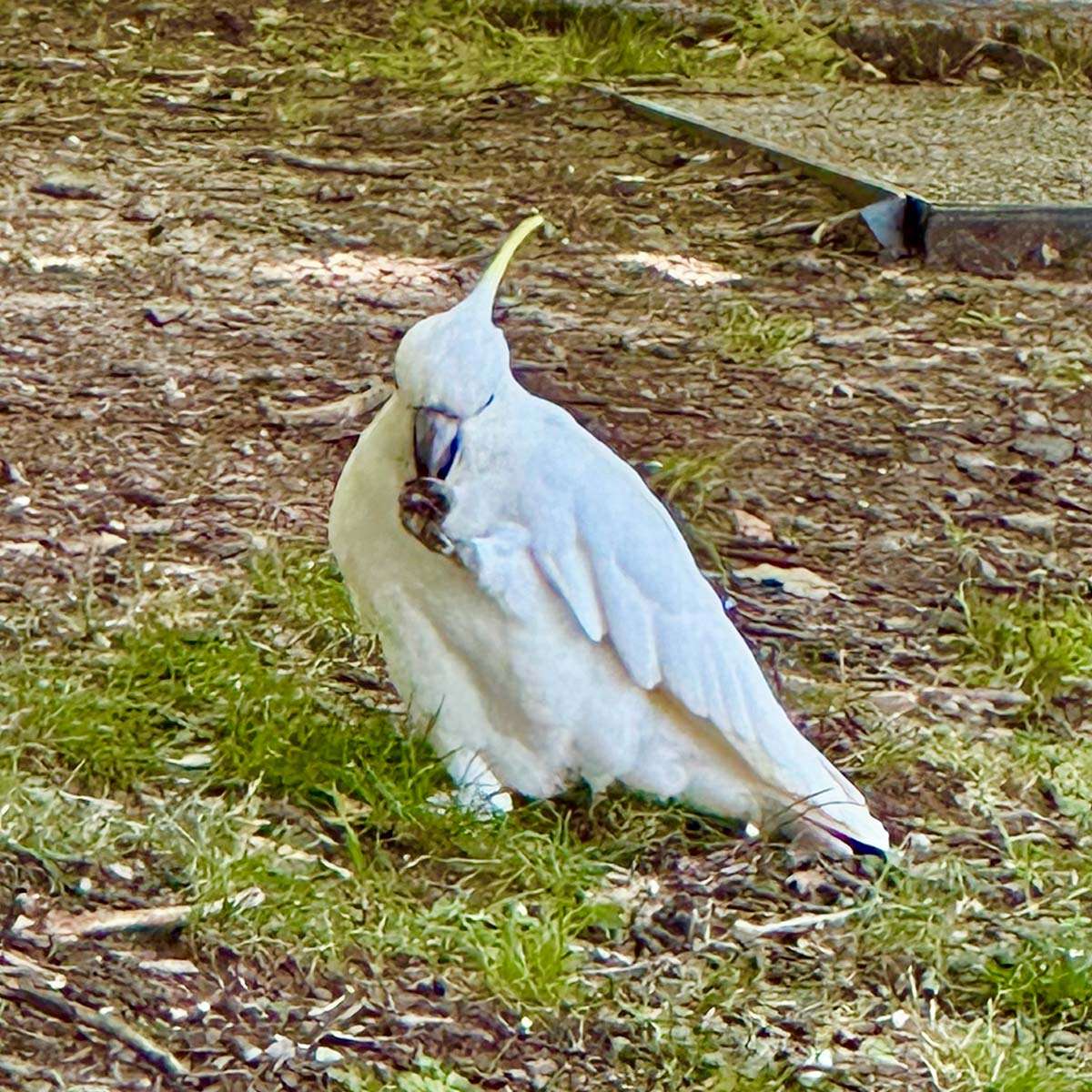
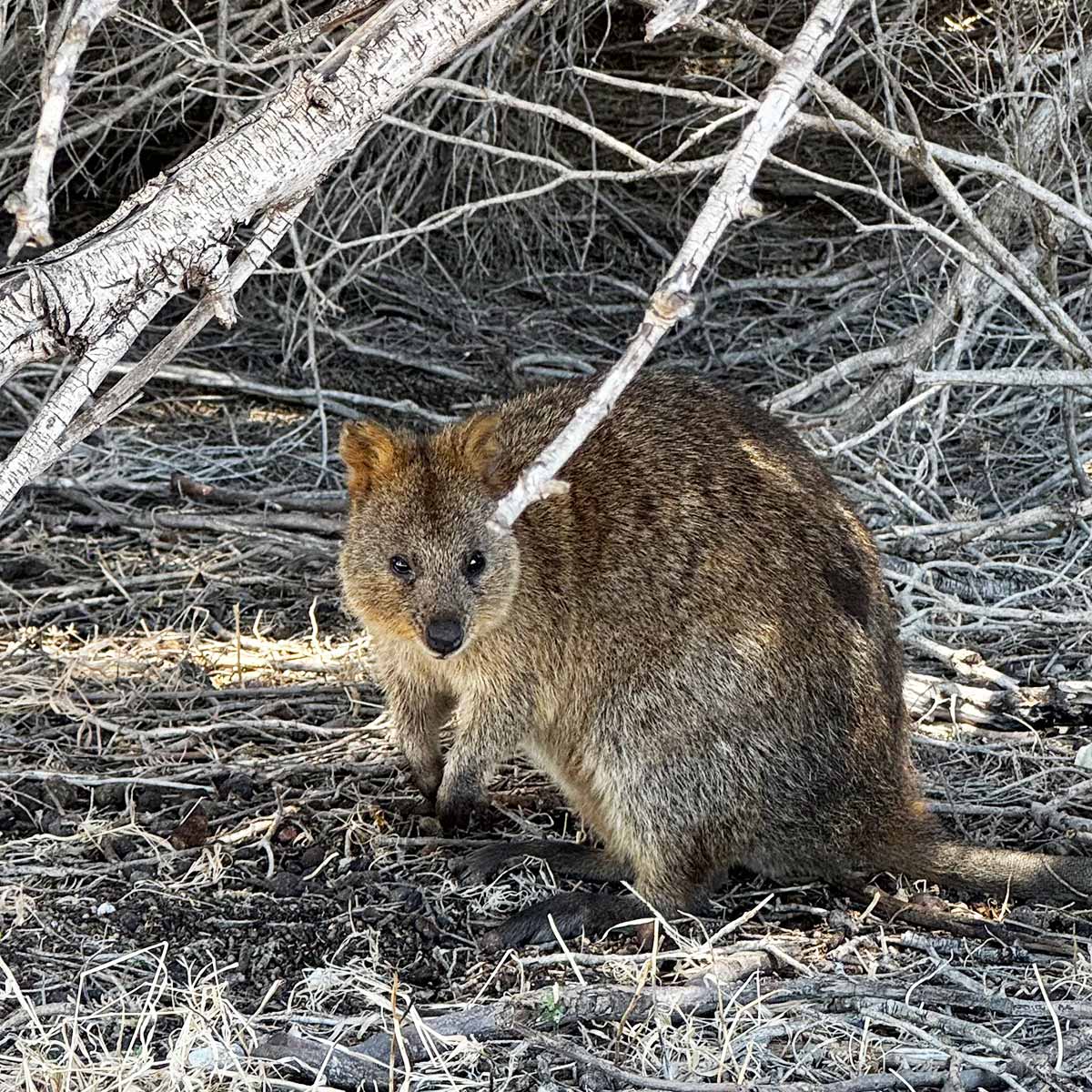
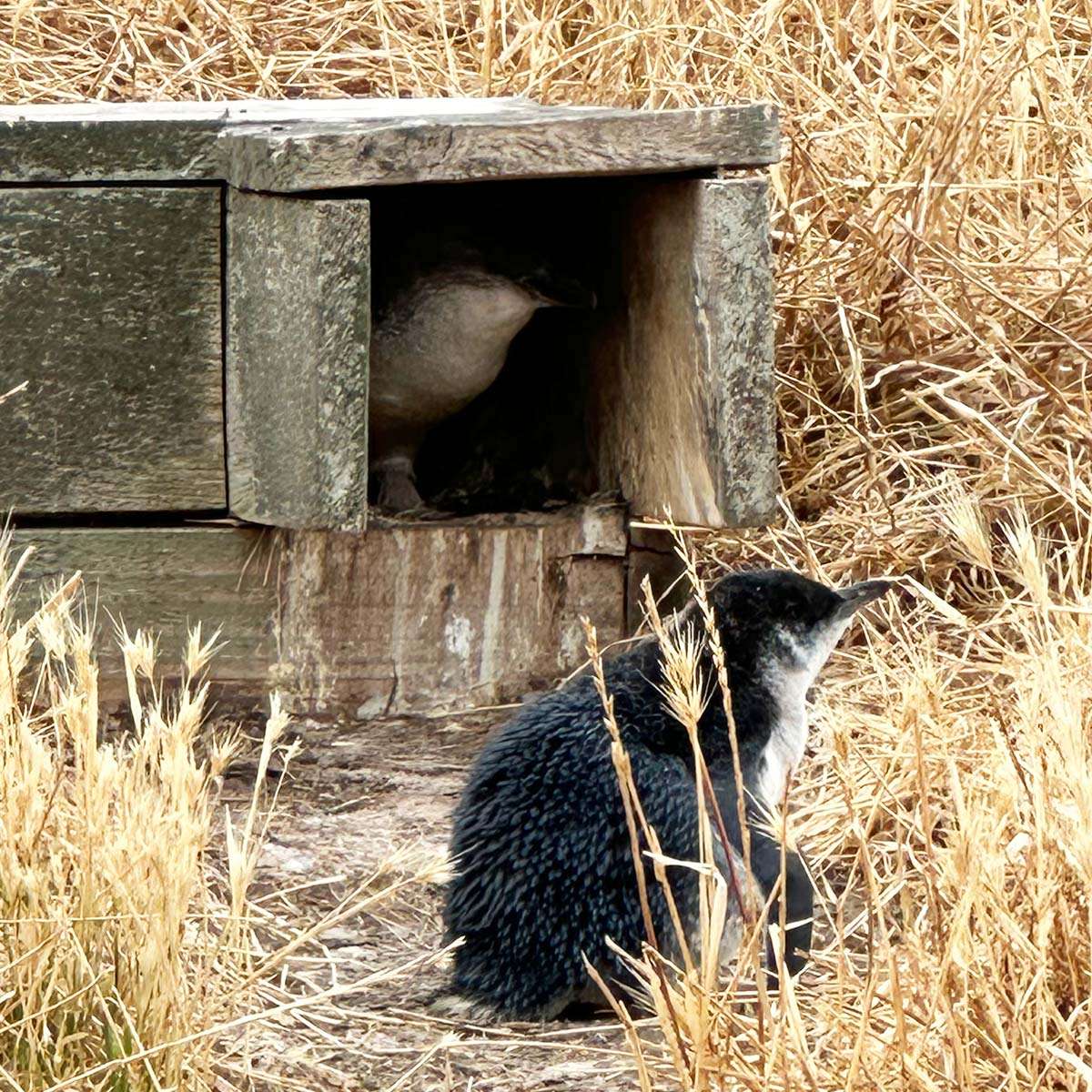
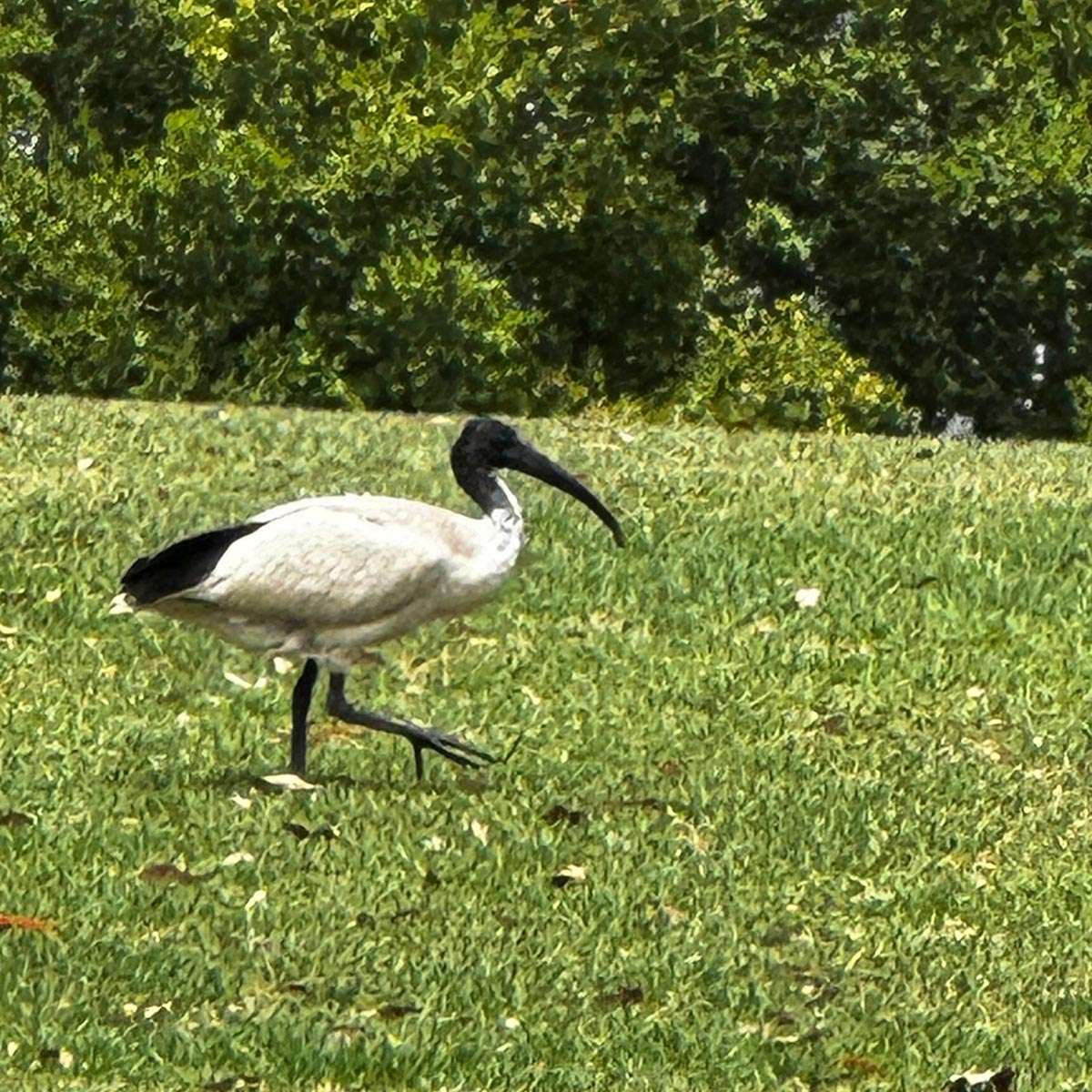
However, Australia developed in isolation from the rest of the world for thousands of years. Because of this, it became home to a very unique and fragile ecosystem unlike almost anywhere else on Earth. Many small birds, reptiles, and mammals evolved with very few natural predators.
When cats appeared on the continent, the situation changed very quickly.
Why Cats Are Considered a Major Problem in Australia
Today, feral cats in Australia are considered one of the country’s most dangerous invasive animals. They do not hunt because they are starving, but because hunting is part of their natural instinct. Even a well-fed cat can catch several birds or lizards in a single day.
Scientists estimate that cats kill millions of native animals in Australia every day. Because of this, some species have already disappeared completely, while others are now close to extinction.
That is why the Australian attitude toward free-roaming cats is very different from what people are used to in Europe.
Strict Rules That Surprise Tourists
In many parts of Australia, cats must be registered, microchipped, sterilized, and kept indoors or inside specially enclosed outdoor areas.
In some cities, there are rules stating that:
- cats are not allowed to roam outside at night,
- cats may not be allowed to roam freely at all,
- people can receive fines for feeding stray cats,
- certain natural areas are protected from cats with special fencing.
There are even special “cat curfew” hours - almost like a curfew for cats.
To many Europeans, these rules may seem very strict. However, for Australians, protecting native wildlife found nowhere else in the world is the top priority.
Australians Love Cats - They Just Raise Them Differently
The most interesting part is that Australians truly do love cats. Cats are among the most popular pets in the country. The difference is simply in the way they are kept.
Many cats in Australia live entirely indoors. People often create:
- special climbing walls,
- enclosed backyards,
- protected balconies,
- “catio”-style outdoor terraces,
- window watching areas for cats.
Creating a safe indoor environment for cats is extremely popular in Australia, allowing them to climb, observe, and burn off energy without going outside.
Perhaps that is also why so much attention is given there to practical home solutions. When a cat spends most of its life indoors, people quickly realize which furniture, fabrics, and curtains are truly suitable for living with pets.
During their travels in Australia, many people notice another surprising thing - in the evenings, you can hear an incredible number of birds. The cities are full of life, birdsong, and small animals.
Locals often say that strict cat control has helped protect part of this wildlife.
That is why cats are not considered “bad” animals in Australia. People there simply understand very clearly how much impact even a single free-roaming hunting pet can have on nature.
Many tourists from Europe or Lithuania only truly realize this after visiting Australia themselves. At first, it feels strange not to see cats wandering around neighborhoods and backyards. But later, you begin to understand that this is not a coincidence, but a very conscious national choice.
And perhaps that is exactly why Australia places so much emphasis on responsible pet ownership, cat-friendly homes, and living in a way that is safe both for pets and for the surrounding wildlife.