
Do Cats Really Need Training? Where Does Training End and a Cat’s Natural Instinct Begin?
Almost every cat owner has wondered at least once: should you train your cat, or simply accept that you're sharing your home with a cat? Some people don't want their cats jumping on kitchen tables. Others worry about scratched furniture or damaged curtains. And many owners become frustrated by midnight zoomies or constant attempts to jump onto places that are considered "off-limits."
However, the more scientists and animal behavior specialists study cats, the clearer one thing becomes: cats can absolutely learn, but they learn in a very different way from dogs - or people.
Perhaps the most important thing is not figuring out how to make a cat obey, but understanding how to create an environment where your cat can thrive and everyone in the home can live together peacefully.
A Cat Is Not - and Never Will Be - a Small Dog
Many of us grew up hearing that cats need to be shown who's in charge. If they jump on the table, scratch something, or do something they're not supposed to do, they should be scolded, picked up, or even punished.
But cats simply don't see the world the same way we do. A cat rarely does something out of spite or to annoy its owner. It doesn't think, "I know I'm not supposed to do this, but I'll do it anyway."
Most of the time, a cat behaves this way because the place is interesting, safe, warm, higher up, offers a better view of the surroundings, or simply because that's where its favorite person is.
Cats also don't connect punishment with their actions in the way many people imagine. If you come home, discover that your curtains have been scratched, and become angry, your cat is unlikely to understand why. Instead, it may simply think that its human has suddenly started behaving strangely.
That is why modern approaches to cat training focus less on punishment and much more on understanding your cat's natural behavior.
Can Cats Really Be Trained?
The short answer is yes.
But probably not in the way most people imagine. Cats are excellent learners. They can adapt to household rules, develop daily routines, recognize words, understand boundaries, and even learn a variety of commands.
The key difference is that cats respond much better to encouragement than to punishment.
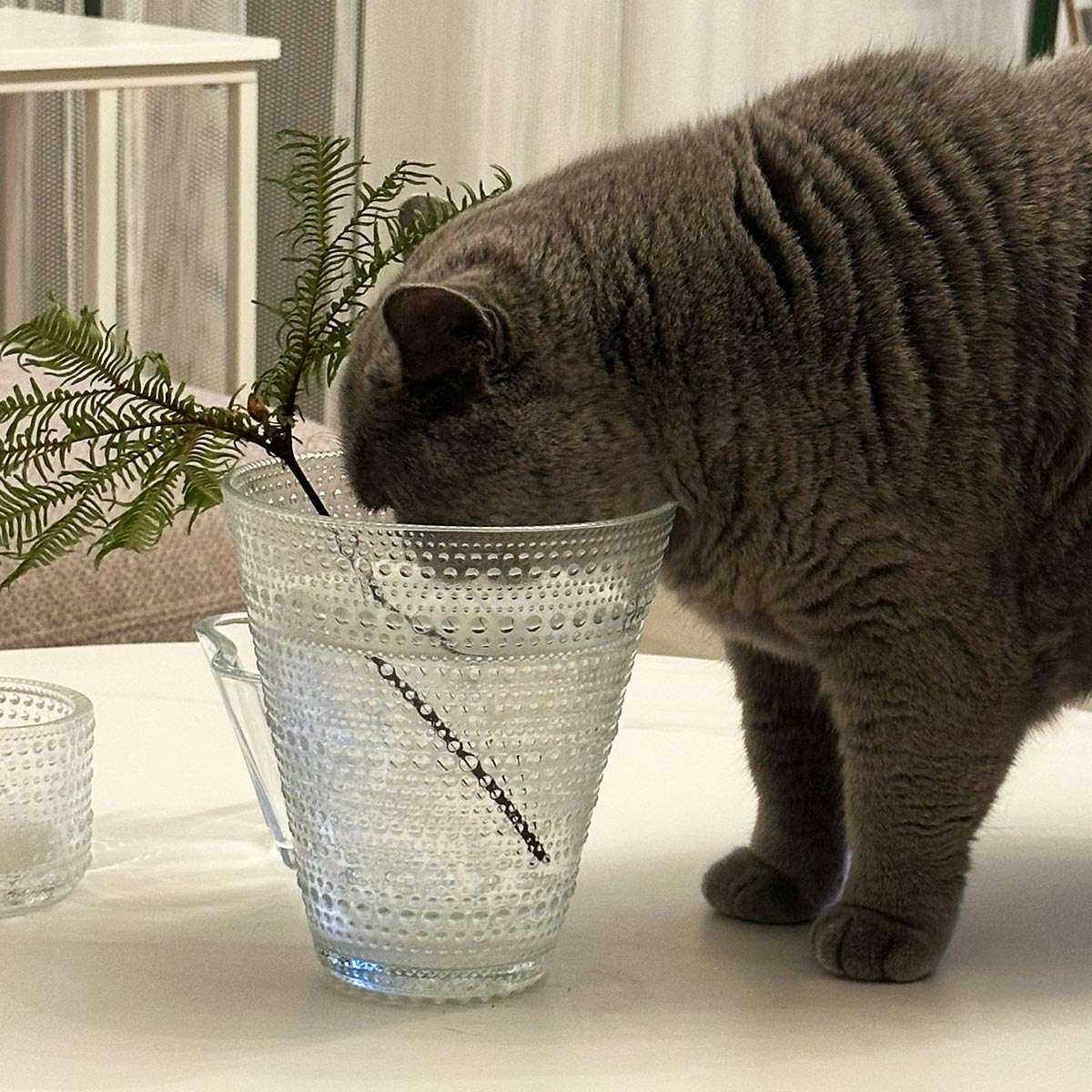
For example, if you don't want your cat jumping onto the kitchen table, it is often far more effective to provide an even more attractive alternative nearby than to keep lifting your cat off the table every time. Cats naturally choose what works best for them. If the kitchen table offers the best view of the entire room and there is no better option, your cat will almost certainly keep coming back.
But if you install a tall cat shelf or a perch by the window, you'll often find that after a few weeks, the table simply isn't as interesting anymore.
Should You Let Cats Jump on Tables?
There is no single right answer. Some families allow it, while others have a strict "no cats on the table" rule. Interestingly, the idea that it is somehow "bad" for a cat to be on a table is usually not about the cat's well-being.
More often, it comes down to our own preferences-hygiene, household routines, and the way we want our homes to be. If you've decided that the kitchen table is off-limits, that's perfectly reasonable.
But it's also worth asking yourself another question: where is your cat allowed to climb?
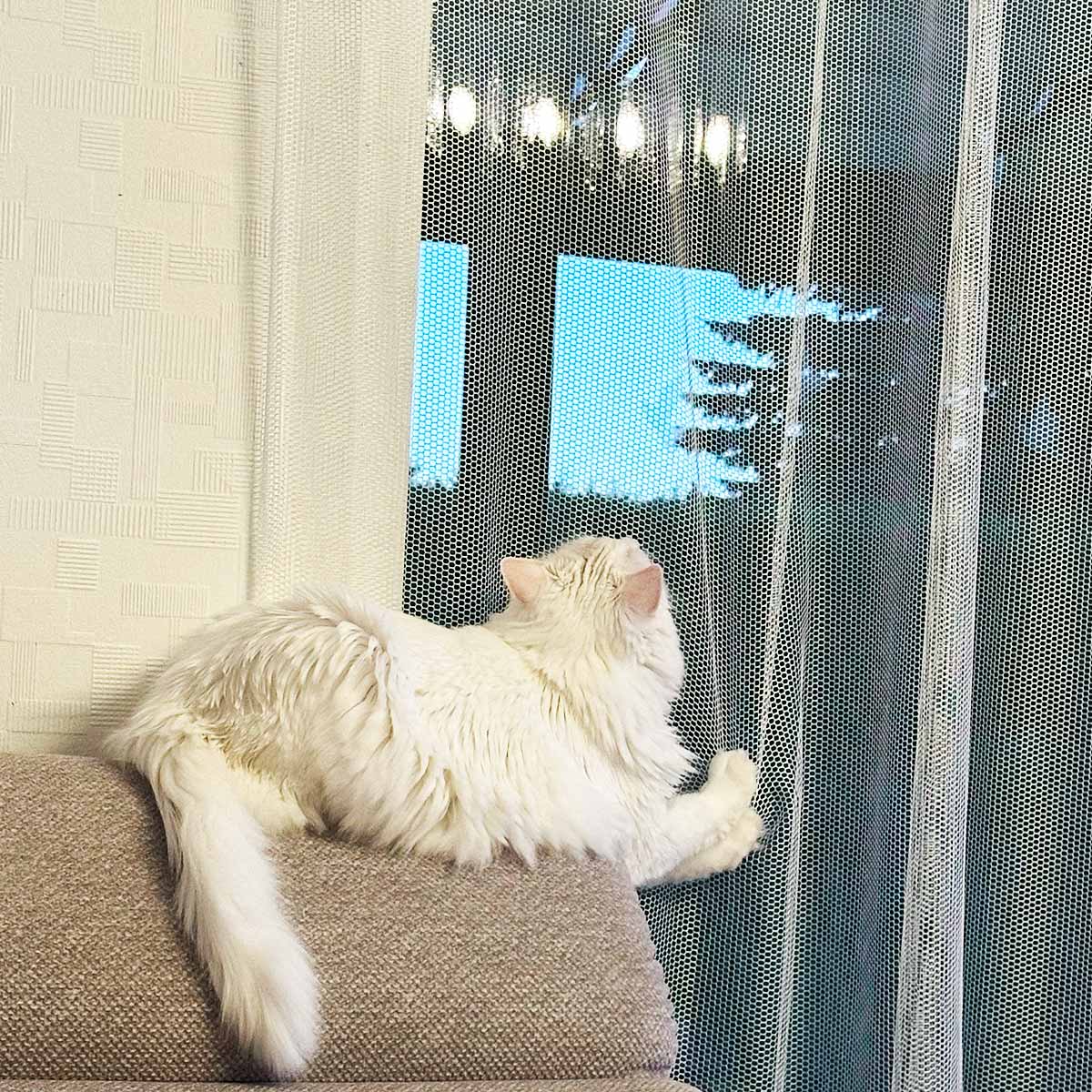
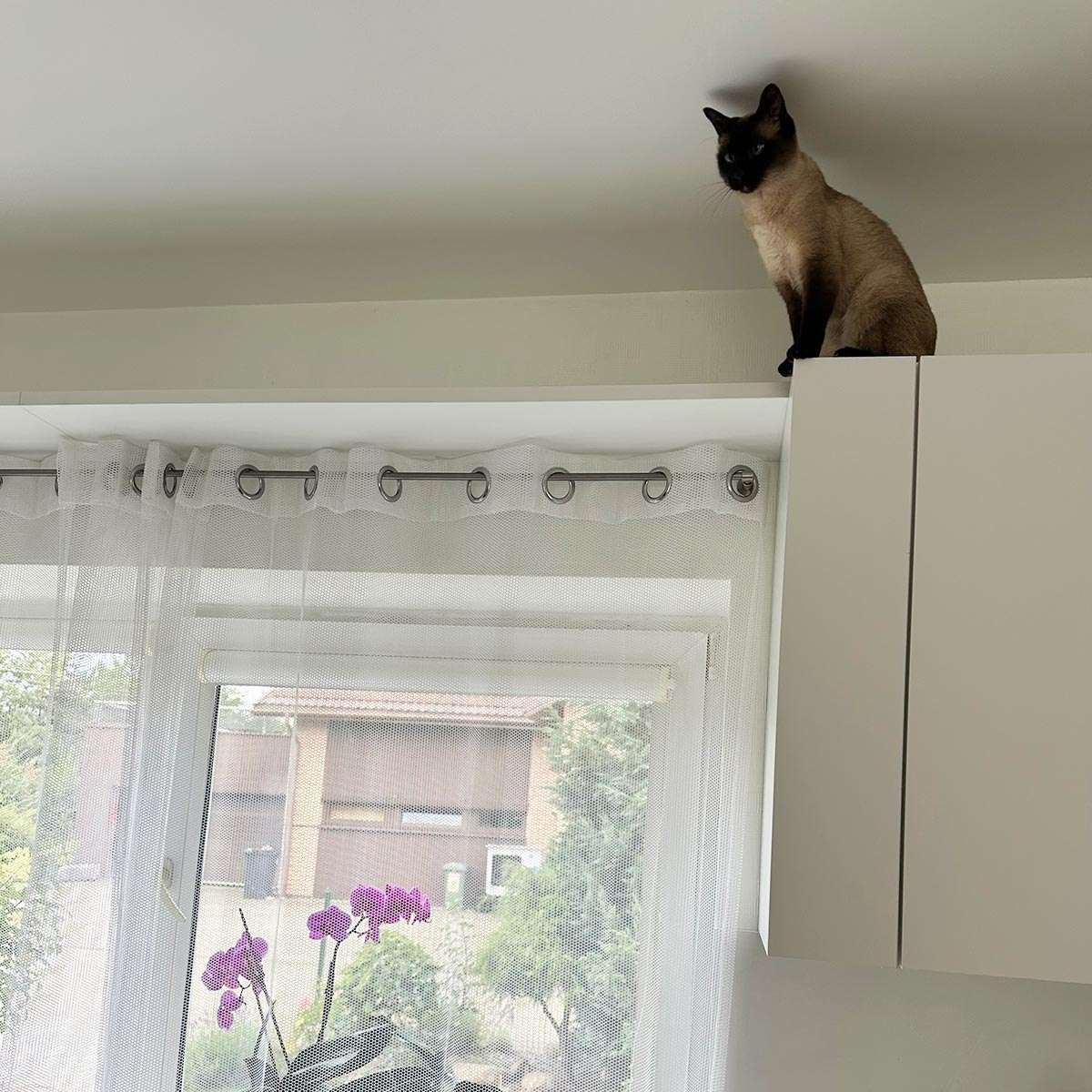
Cats naturally love to observe their surroundings from above. In the wild, height means safety, a better view, and a place to relax without being disturbed. That is why many cats aren't actually interested in the table itself-they're simply looking for the highest and most comfortable spot in the room. If you provide a tall cat tree, a sturdy shelf, or a window perch, your cat may happily choose that instead.

What About Scratching Furniture?
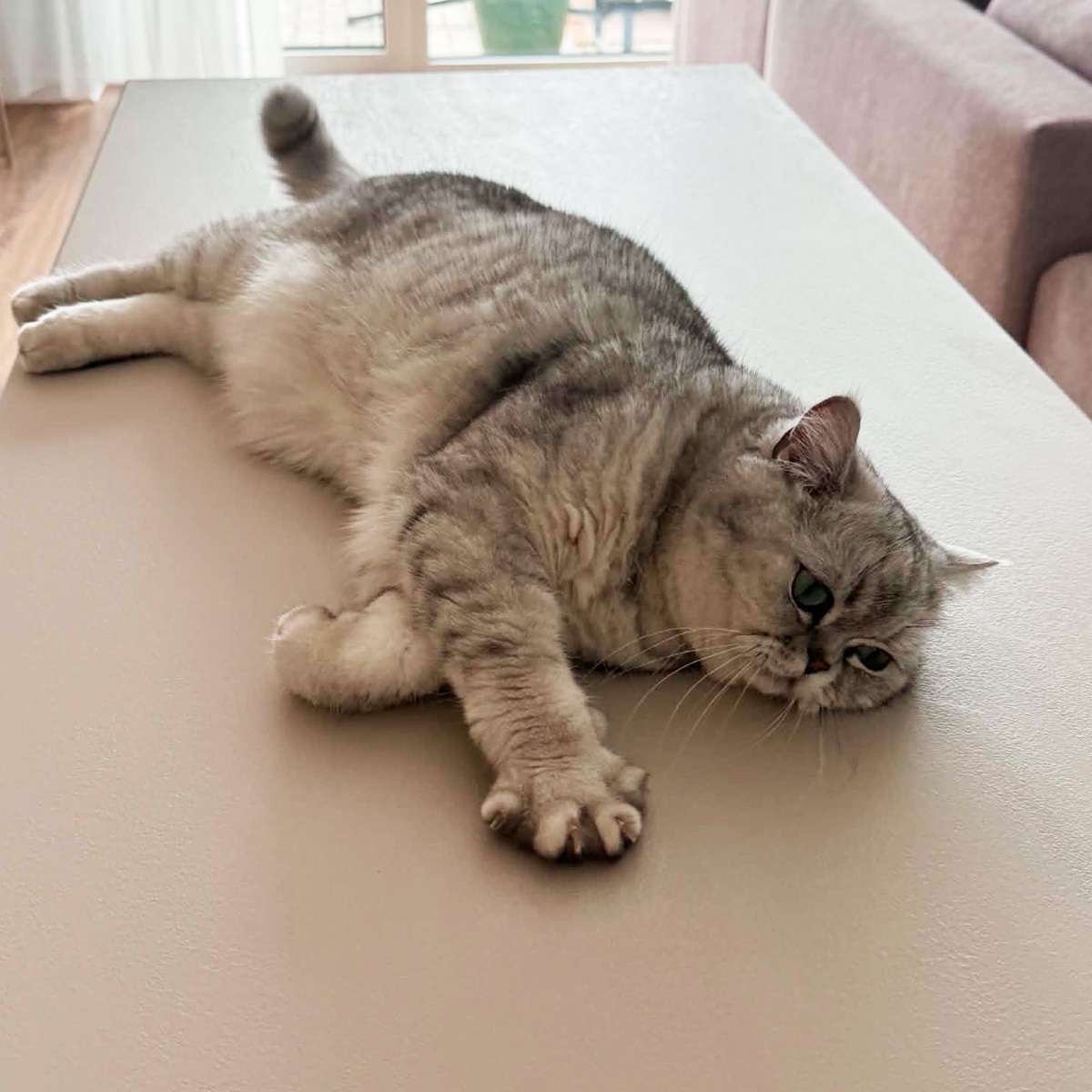
If we were to make a list of the most common disagreements between cats and their owners, scratching furniture would probably be near the top. In most cases, cats don't avoid scratching furniture because they have been well trained. The truth is that scratching is completely natural feline behavior.
When a cat scratches, it is doing much more than simply sharpening its claws. It is also leaving its scent, marking its territory, stretching its muscles, and releasing built-up energy. The real problem is often not that the cat scratches—but that it has chosen a place we would rather it didn't. If your home doesn't have a comfortable scratching post, or if it's too short, unstable, or placed in a corner where your cat rarely spends time, don't be surprised if the sofa becomes the more attractive option.
Cats rarely choose furniture because it's expensive. More often, they choose the piece that stands in a central location, is close to their people, and gives them plenty of room to stretch. That is why the solution is often not to fight the behavior, but to offer a better alternative.
And perhaps this is one of the most important things to remember: not everything your cat does needs to be corrected. Sometimes it's much easier-and much kinder-to adapt your home to your cat instead of expecting your cat to adapt to a perfect home.
What About Curtains?
This is probably one of the most sensitive topics for cat owners.
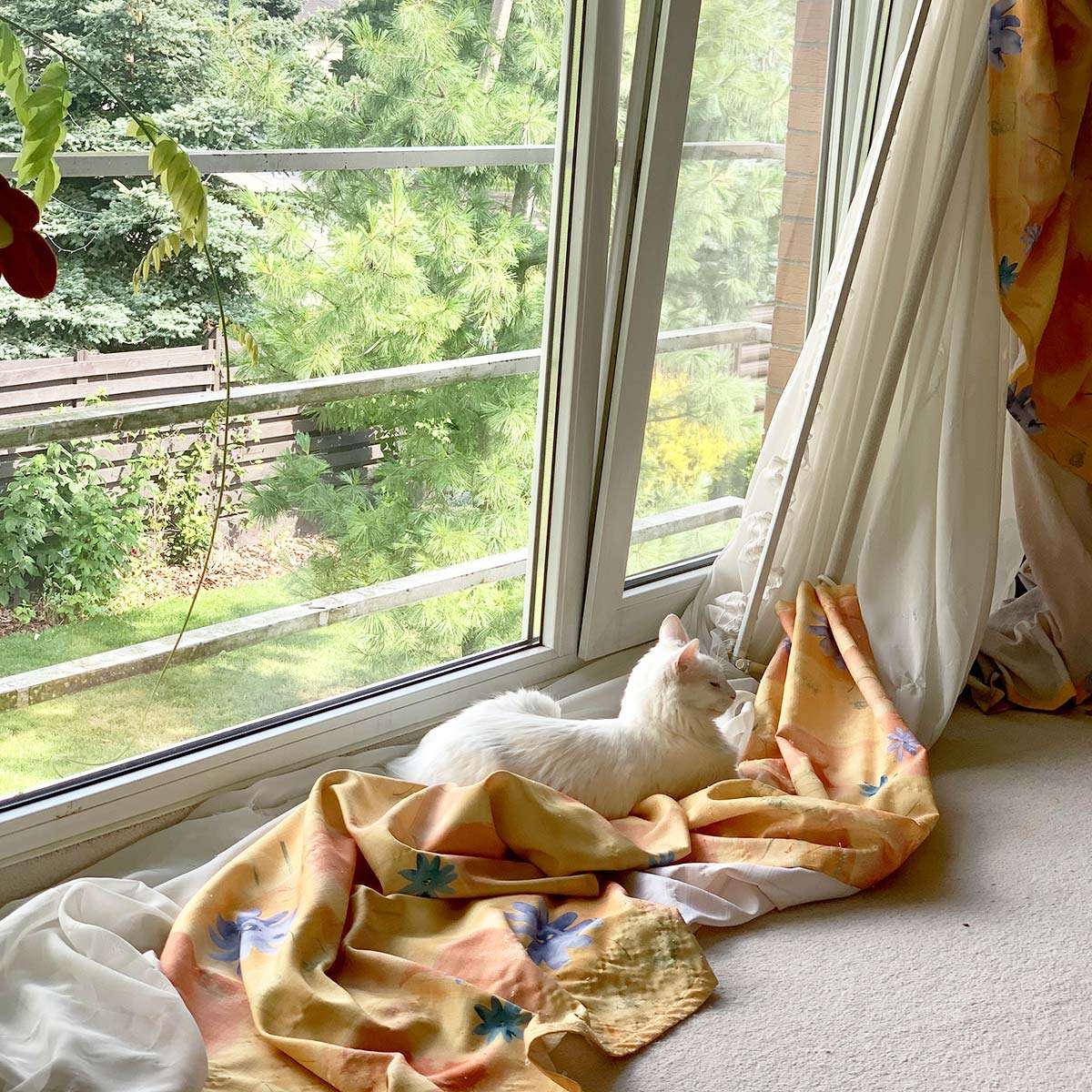
Some people proudly say, "My cat has never climbed the curtains." Others still remember the very first week after hanging a brand-new set. The truth is that cats usually don't climb curtains because they want to destroy them.
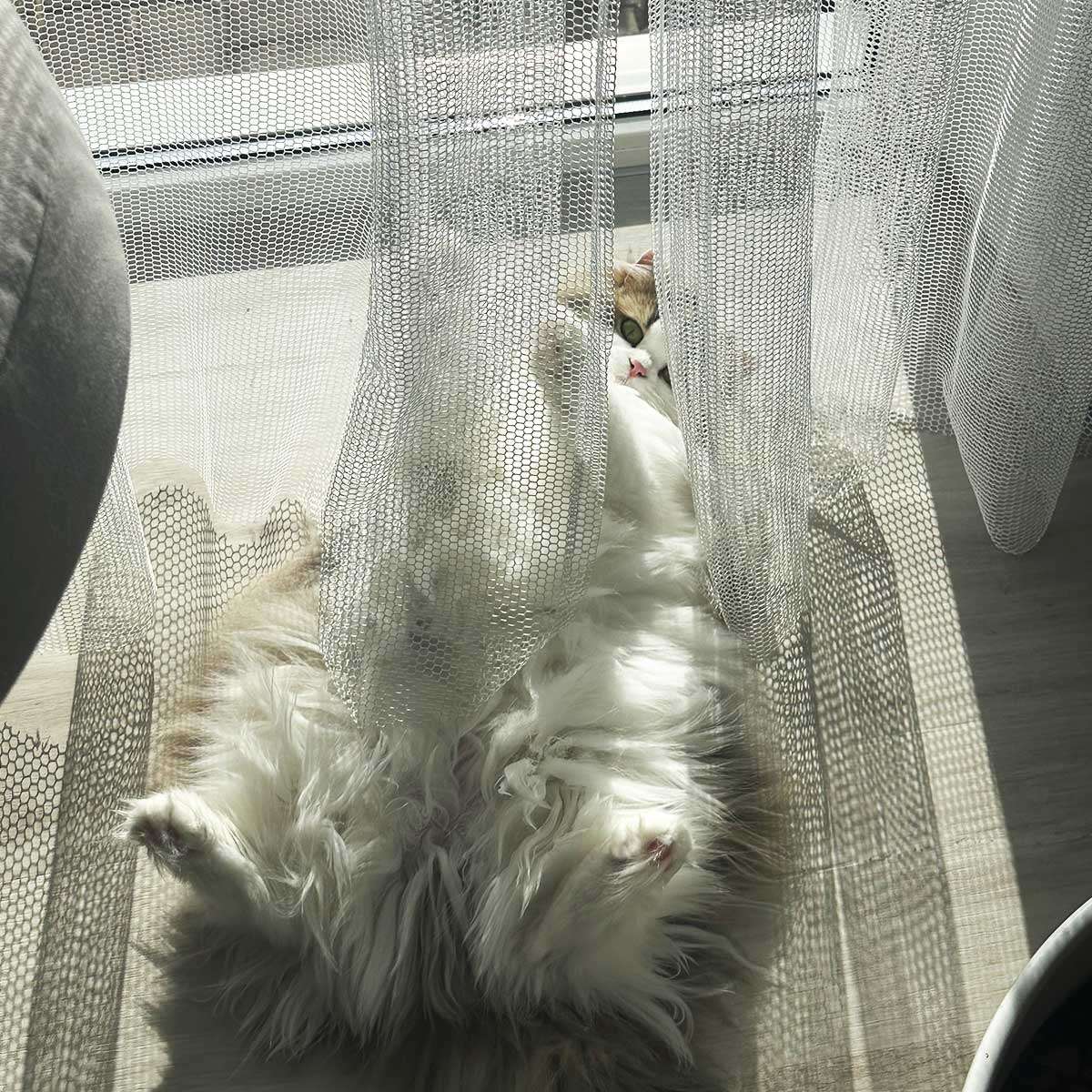
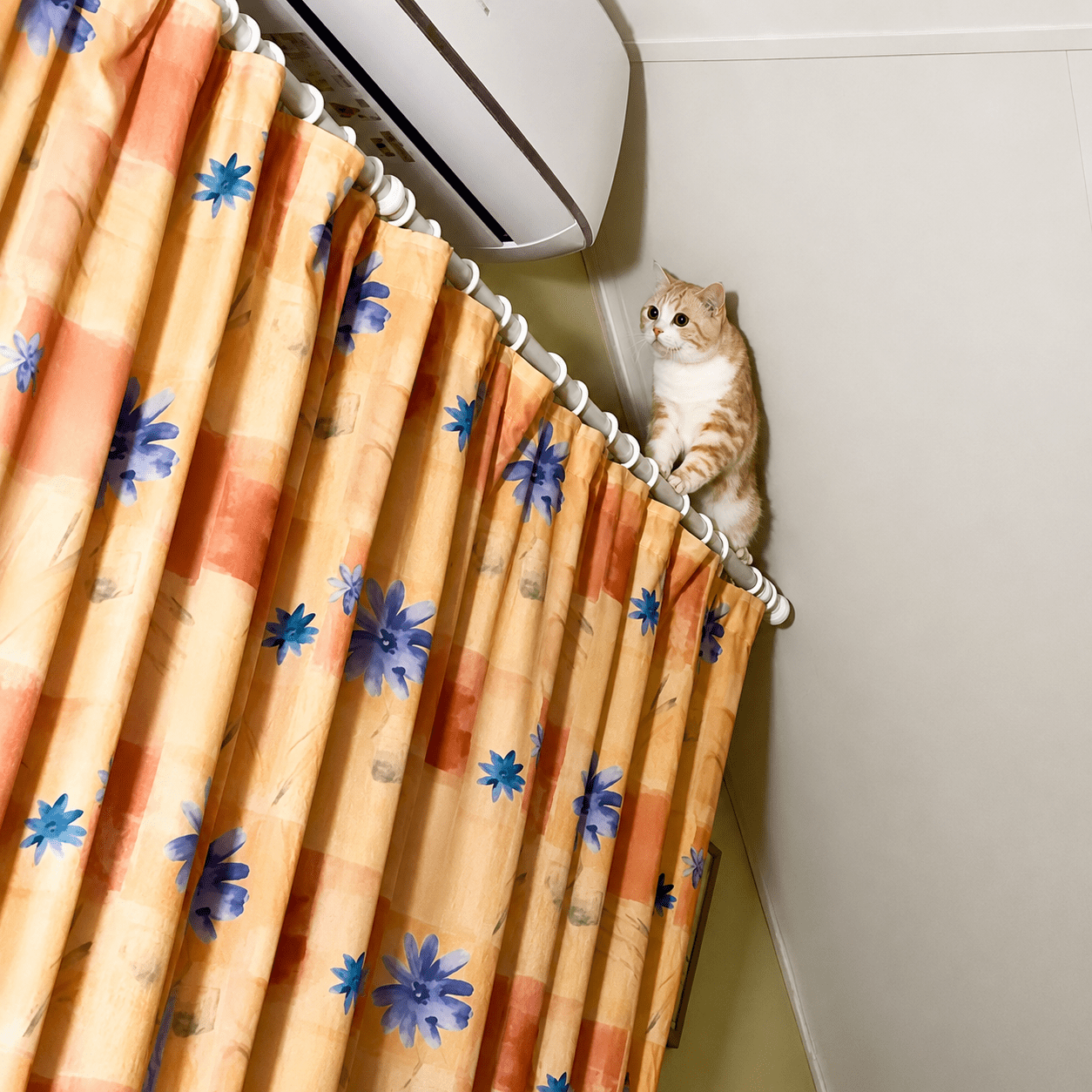
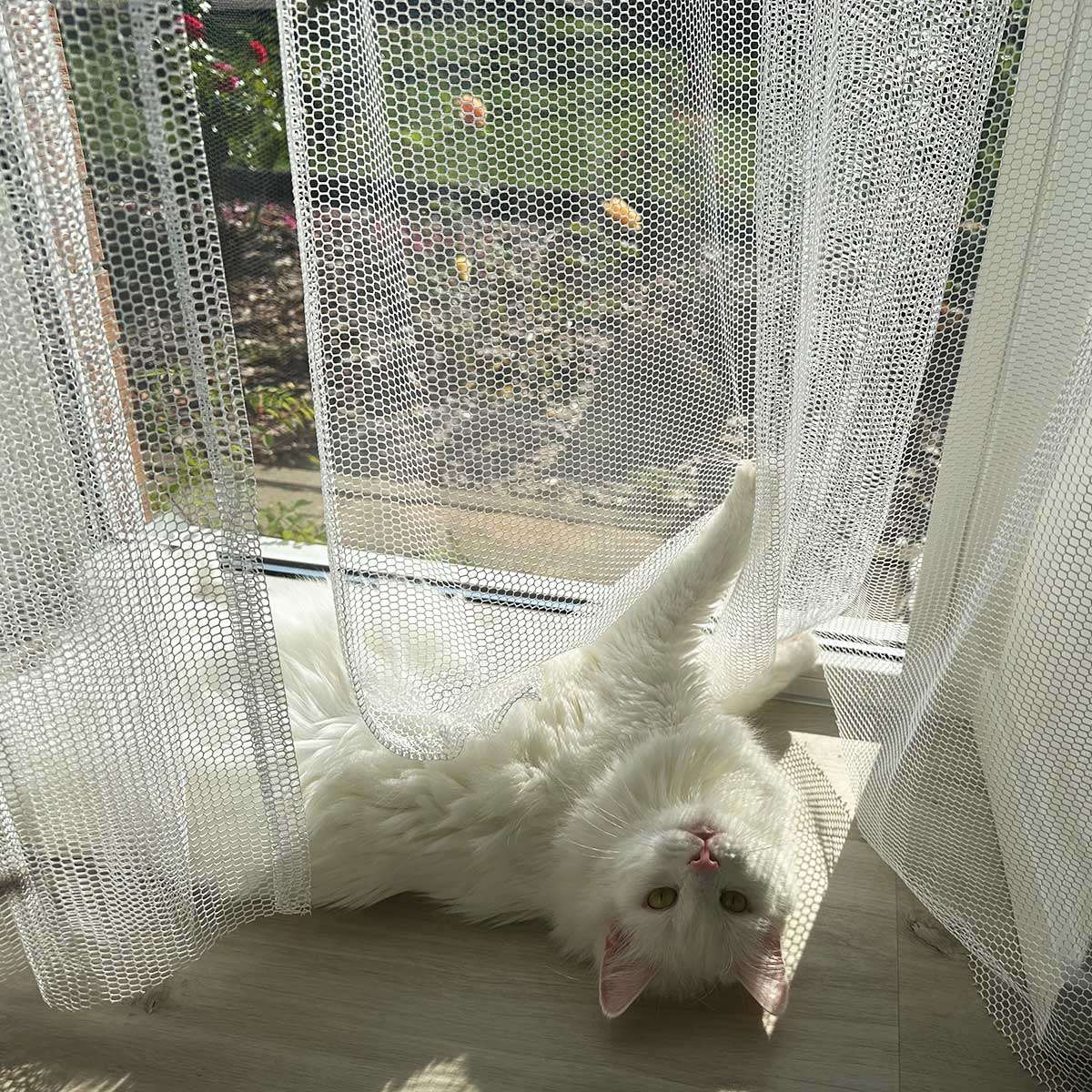
They are attracted by the height, the movement of the fabric, the opportunity to hide, the view from the window, and the satisfying feeling of digging their claws into the material. This behavior is especially common in young, energetic cats or those that spend many hours home alone. When this happens, many owners immediately wonder whether they should be stricter with their cat.
But perhaps the better question is not "How do I stop my cat?" but "How can I offer a better alternative?" Once a cat has a tall scratching tree, a window perch, climbing shelves, or simply more opportunities for play and exercise, curtains often become much less interesting.
Of course, some cats will still choose the curtains from time to time. After all, they're cats.
Can Strict Training Harm Your Cat?
This is often an uncomfortable question because most of us have lost our patience with a cat at least once. We've raised our voices, scolded them, or become frustrated-and that's only h uman.However, constantly frightening a cat, spraying it with water, or relying on harsh punishment usually does more harm than good.
Instead of learning the lesson we hope for, a cat may begin to avoid people, hide more often, become anxious, behave unusually, or even start urinating outside the litter box. For cats, feeling safe is one of the most important parts of living happily in a home. And perhaps the best-trained cats are not the ones that are the most afraid.
They are the ones that clearly understand what is expected of them, have their own safe spaces, and feel comfortable and secure in their home.