
Why Do Cats Live So Differently in China Than in Europe? Cats Around the World
When you first arrive in China, you quickly notice something fascinating - cats are everywhere, yet they live very differently from those in most European countries. In one city, you might see pampered cats living in luxurious homes, while elsewhere you’ll find them calmly wandering through residential neighborhoods, university campuses, or around local restaurants. Attitudes toward cats in China are remarkably diverse and often depend on the city, the region, and even the generation of the people you meet.
How Cats Came to China
Cats have lived in China for thousands of years. It is believed that the first domesticated cats were kept to protect grain stores from mice and rats. For a long time, cats were valued not simply as pets but as useful helpers. Today, however, the situation is very different. In China's major cities, cats have become cherished members of the family.
The Cat Boom in China's Cities
Over the past few decades, pet ownership in China has grown tremendously, especially among younger generations. Many people live alone, work long hours, and choose cats because they don't need daily walks, adapt well to apartment living, bring comfort and companionship, and are relatively independent.
As a result, China's major cities are now home to countless cat cafés, pet stores, cat hotels, and even home interior solutions designed specifically for cats.
Why Are There So Many “Community Cats” in China?
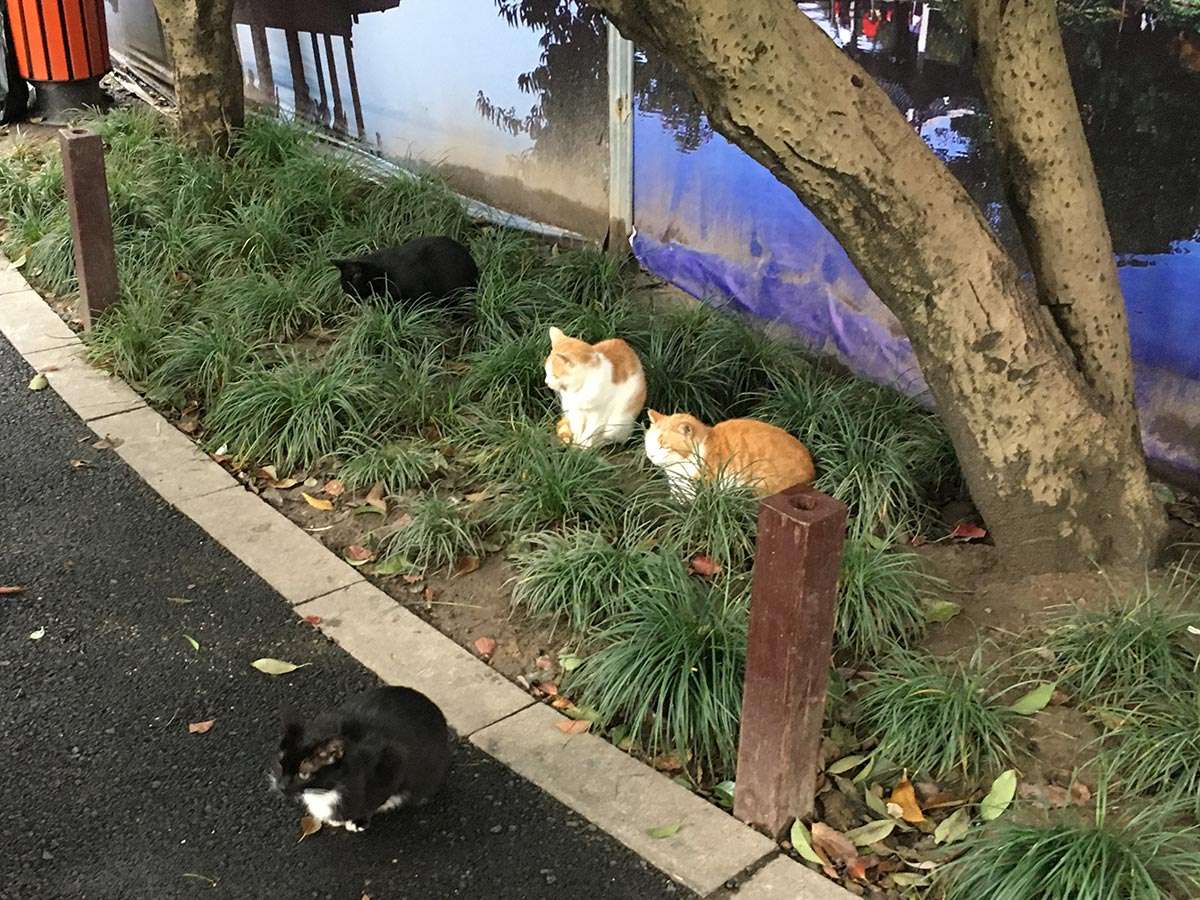
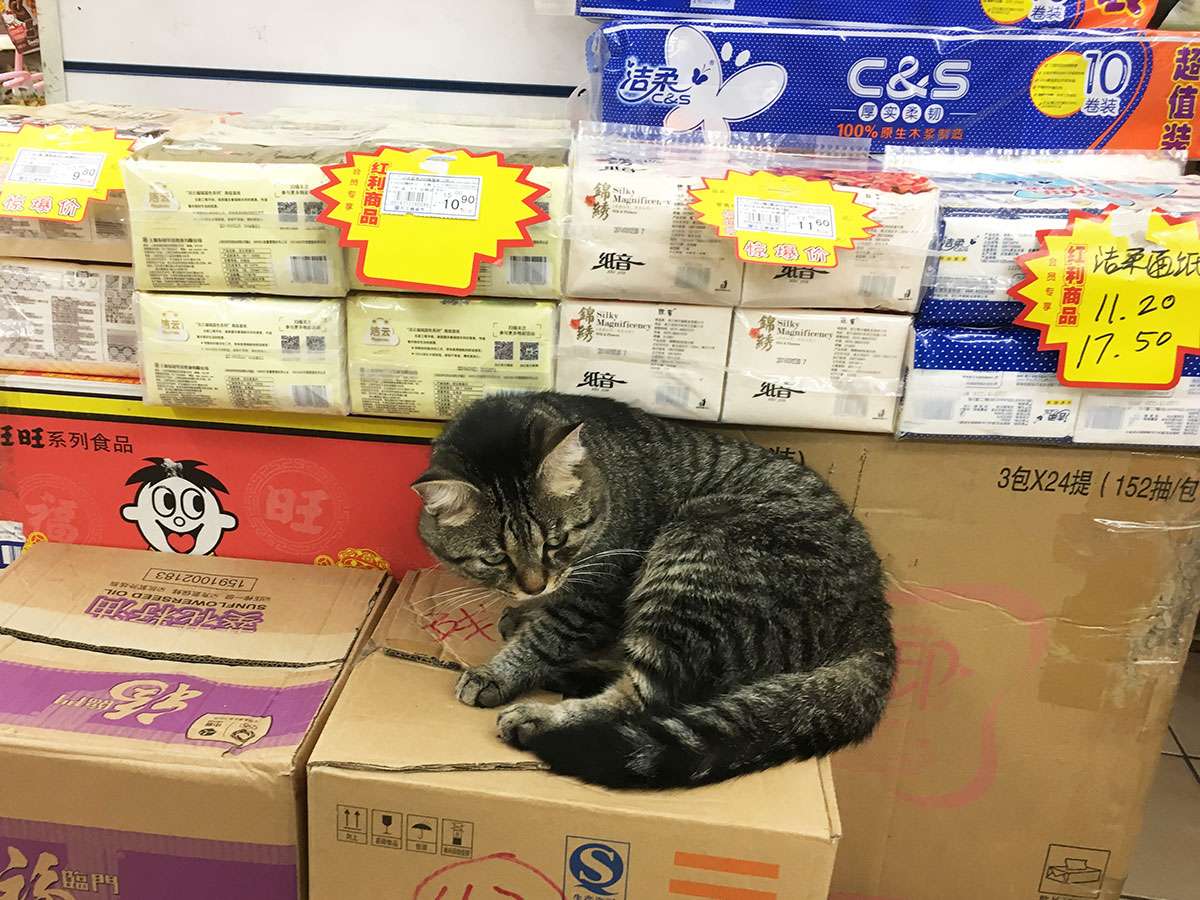
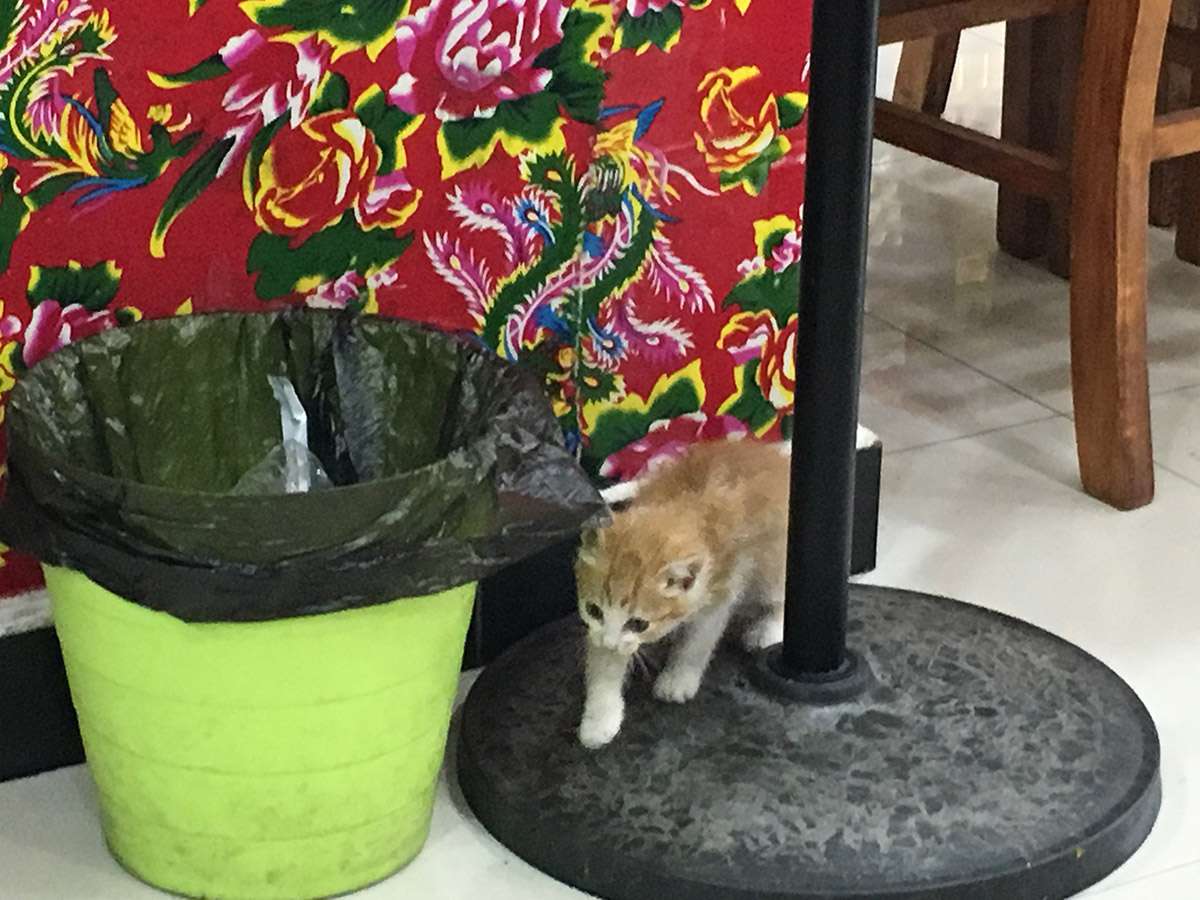
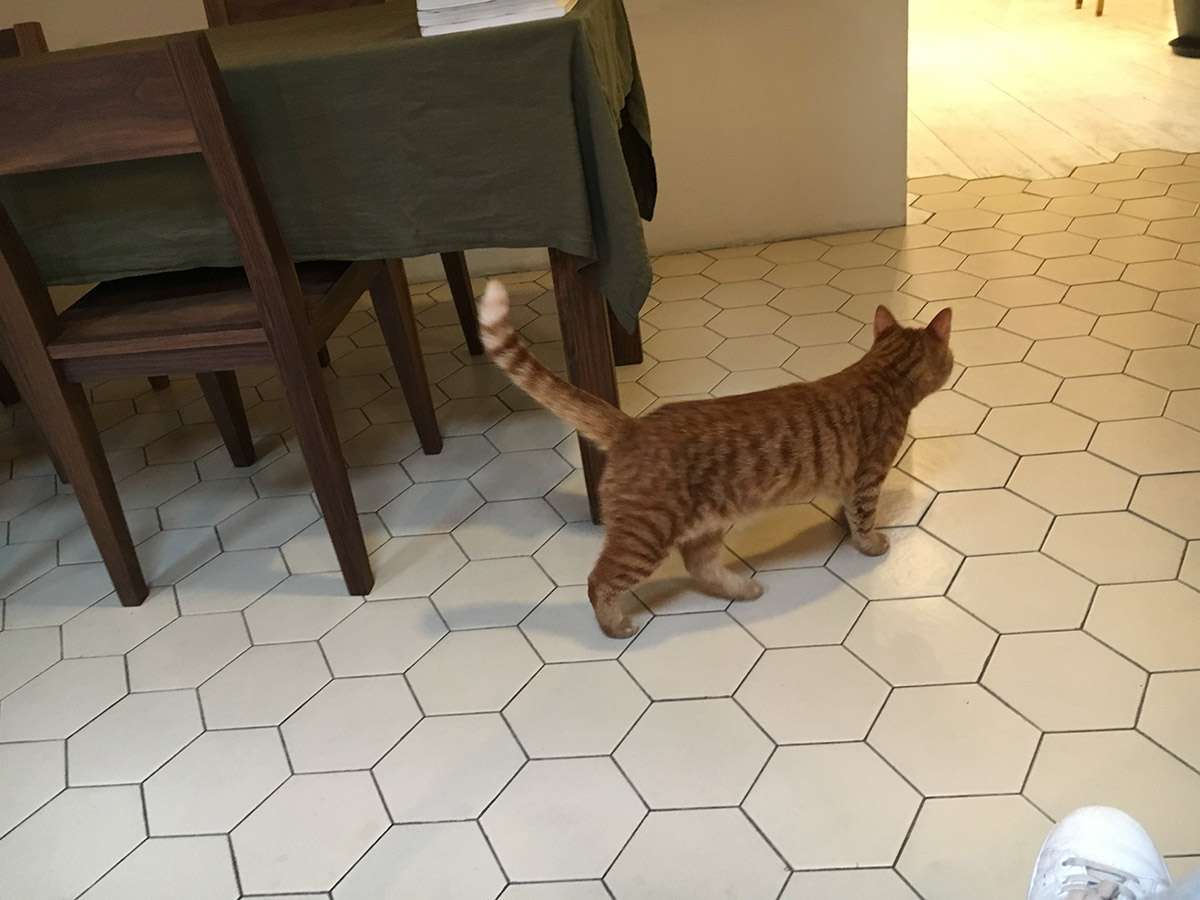
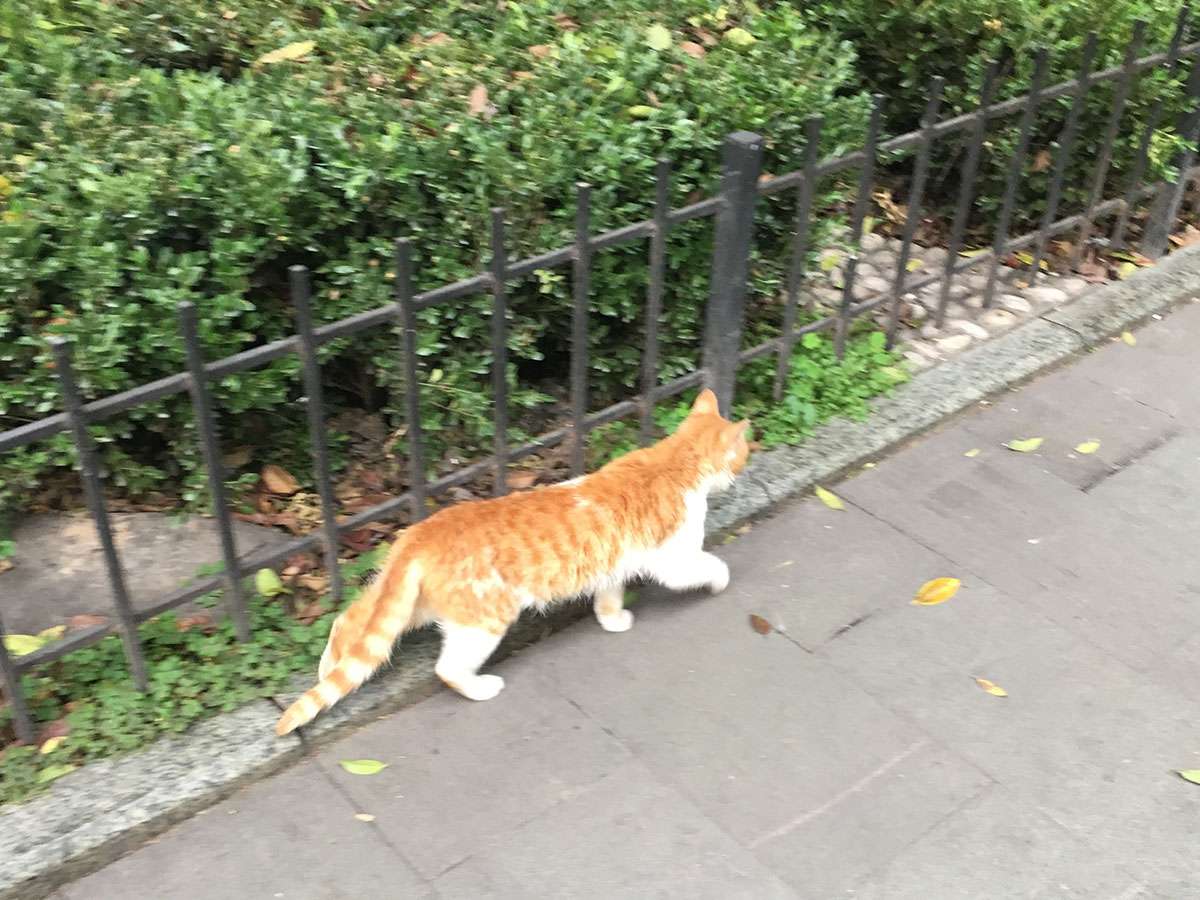
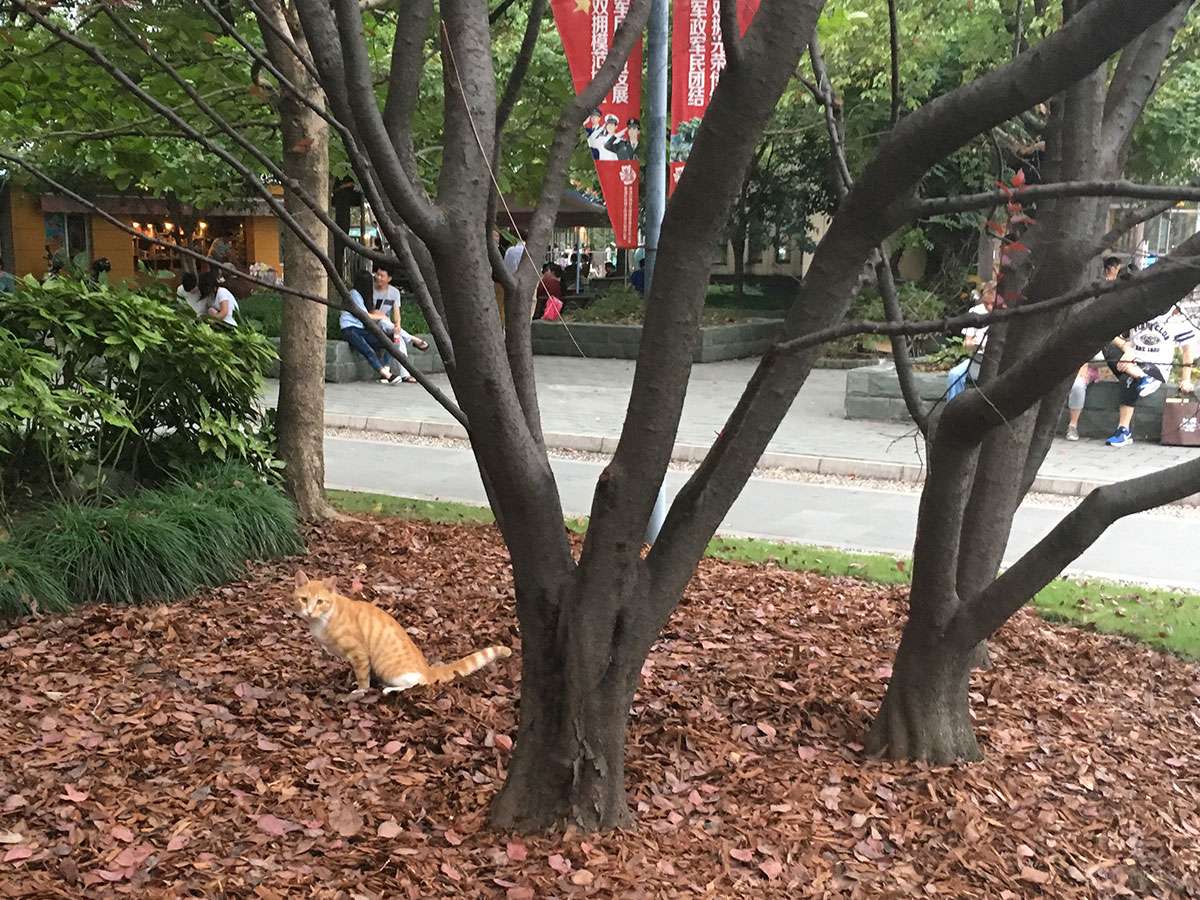
One of the most interesting aspects of life in China is the presence of so-called community cats. Around residential buildings, universities, and office complexes, it is common to see cats cared for not by a single owner but by the wider community.
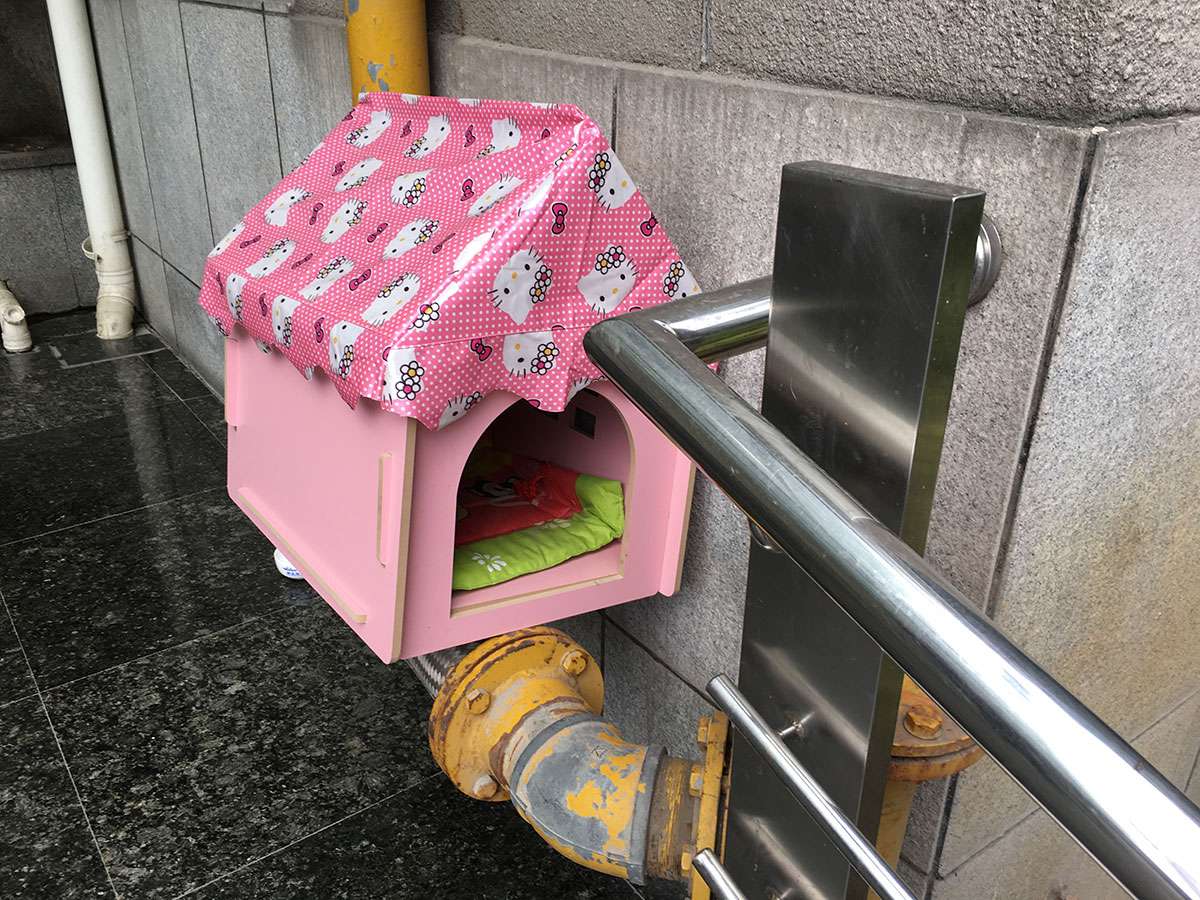
People leave food and water for them, provide boxes or simple shelters during the winter, and collect money for spaying and neutering. As a result, a cat may appear to have no owner, when in reality an entire neighborhood is looking after it.
Cats in China Are Living Higher Than Ever
As more people live in apartment buildings, cats have adapted to an indoor lifestyle. Wall-mounted cat walkways, climbing towers, enclosed balconies, and cozy window perches with city views have become increasingly popular.
In China, people pay attention not only to their cats' comfort but also to creating stylish homes where both pets and interior design can coexist beautifully.
Why Are Cats Considered a Symbol of Good Fortune in China?
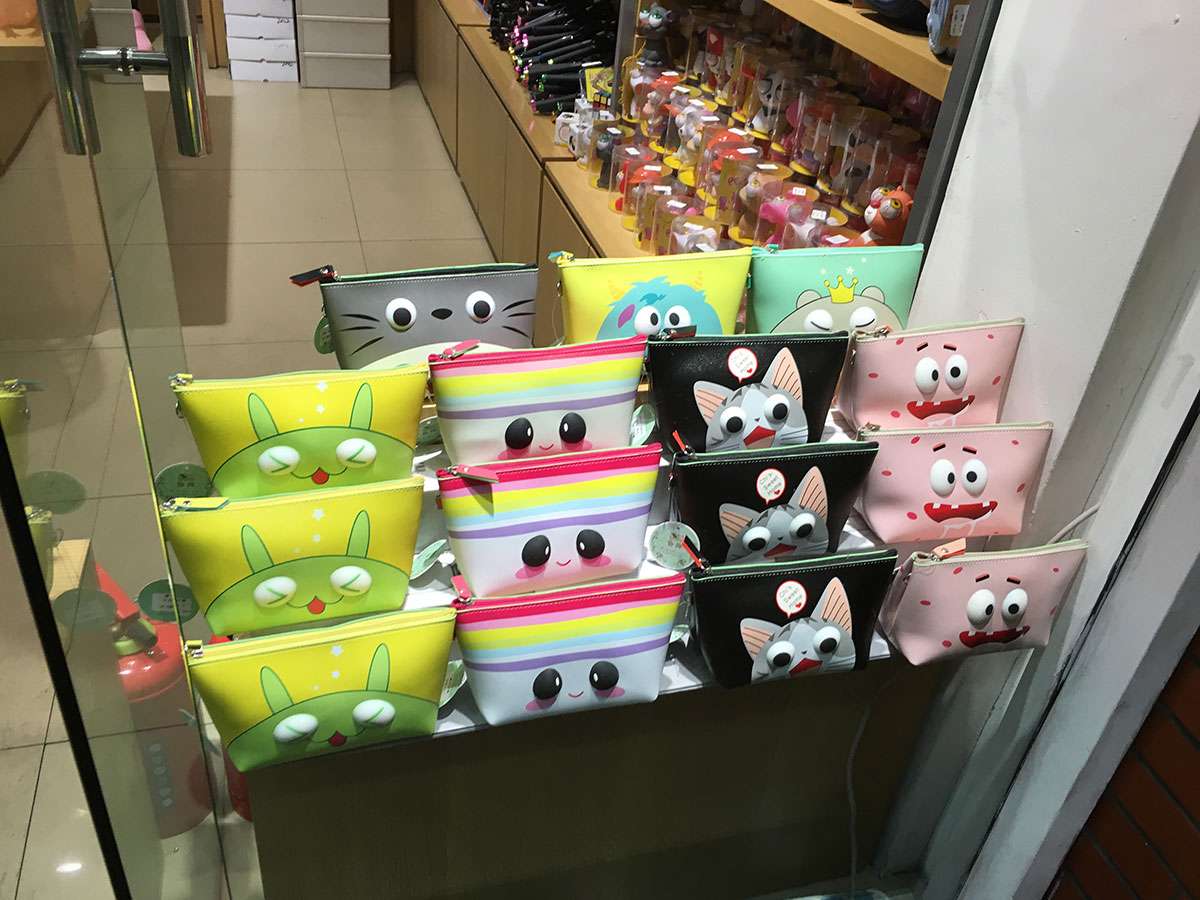
Although cats are more commonly associated with good luck in Japan, they also hold a special place in Chinese culture. In China, cats are often seen as symbols of peace, a cozy home, and positive energy. Cats that enjoy being close to people and help create a warm, relaxing atmosphere are especially appreciated, providing a sense of emotional balance in the fast pace of modern city life.

What Visitors Notice First
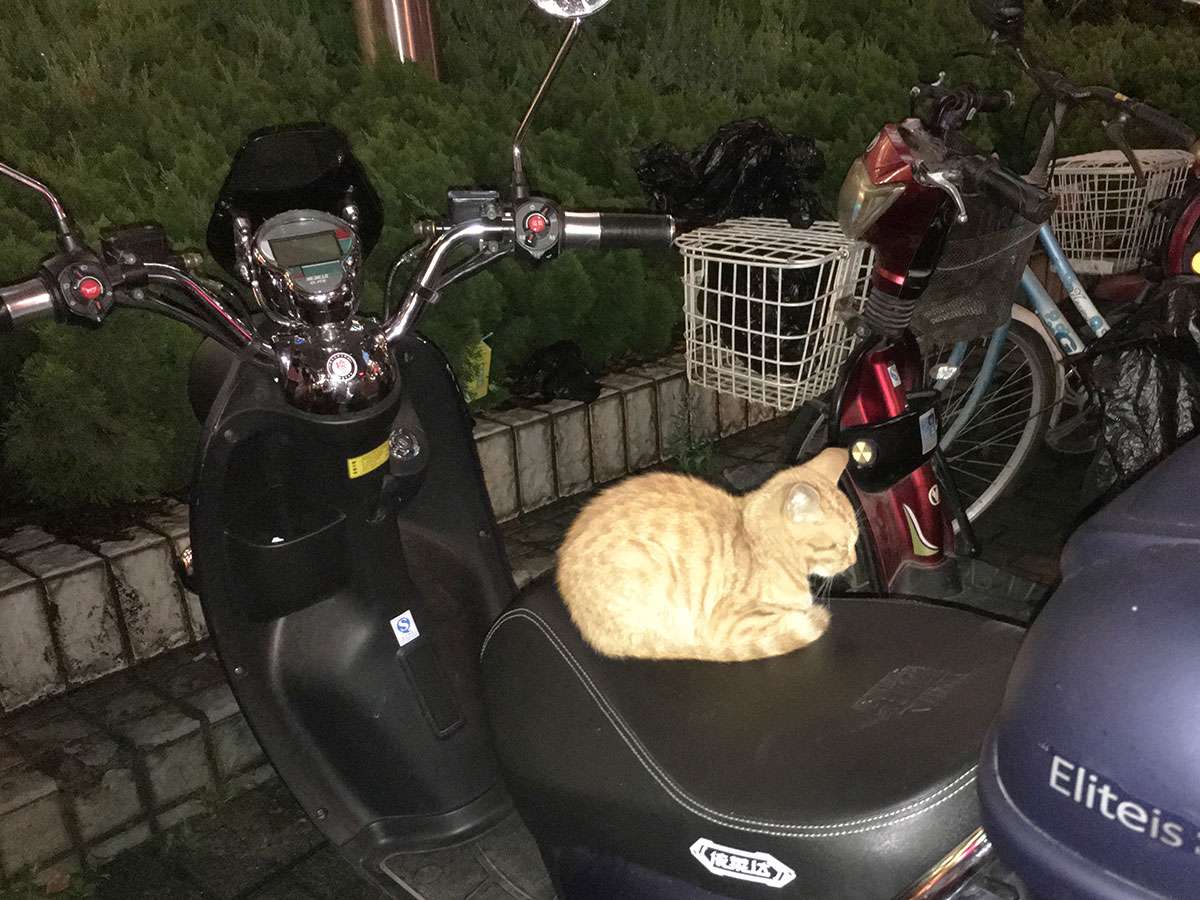
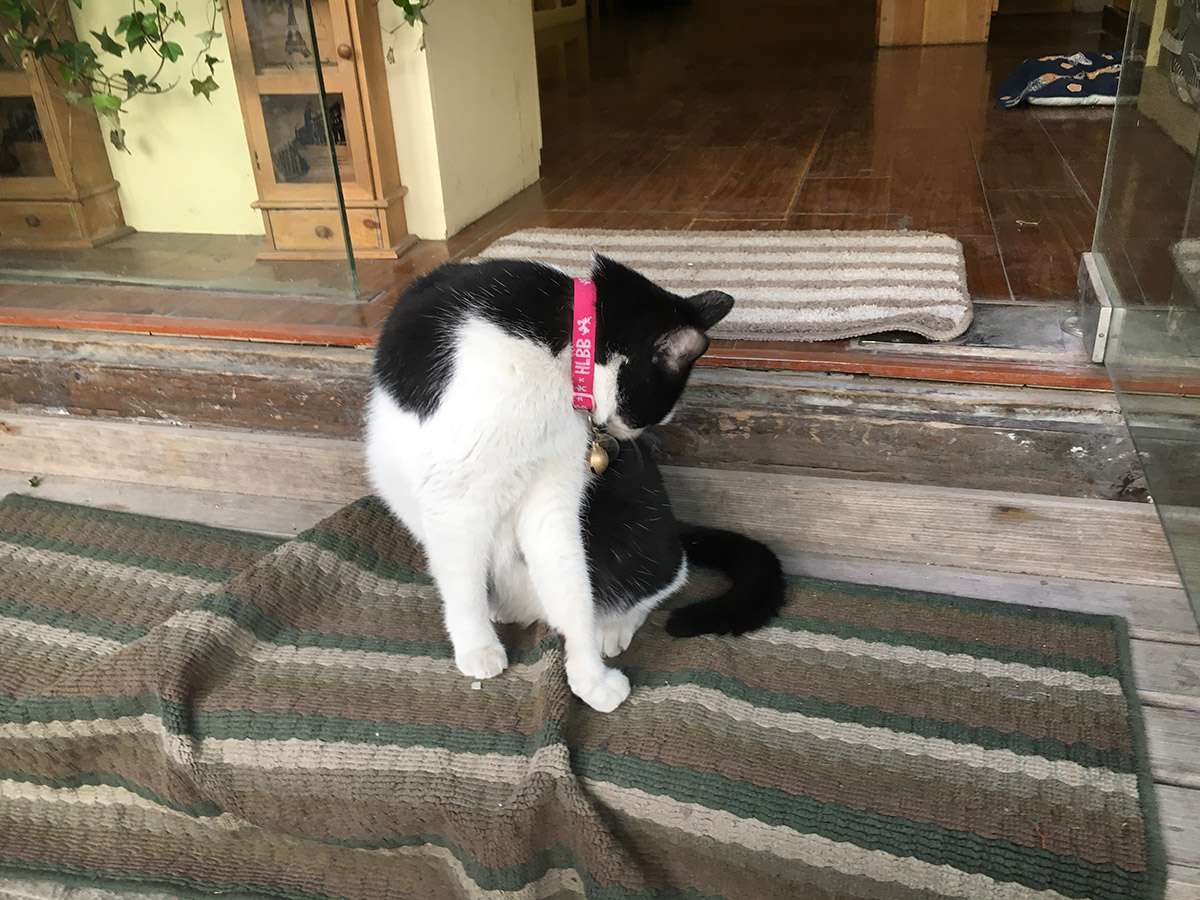
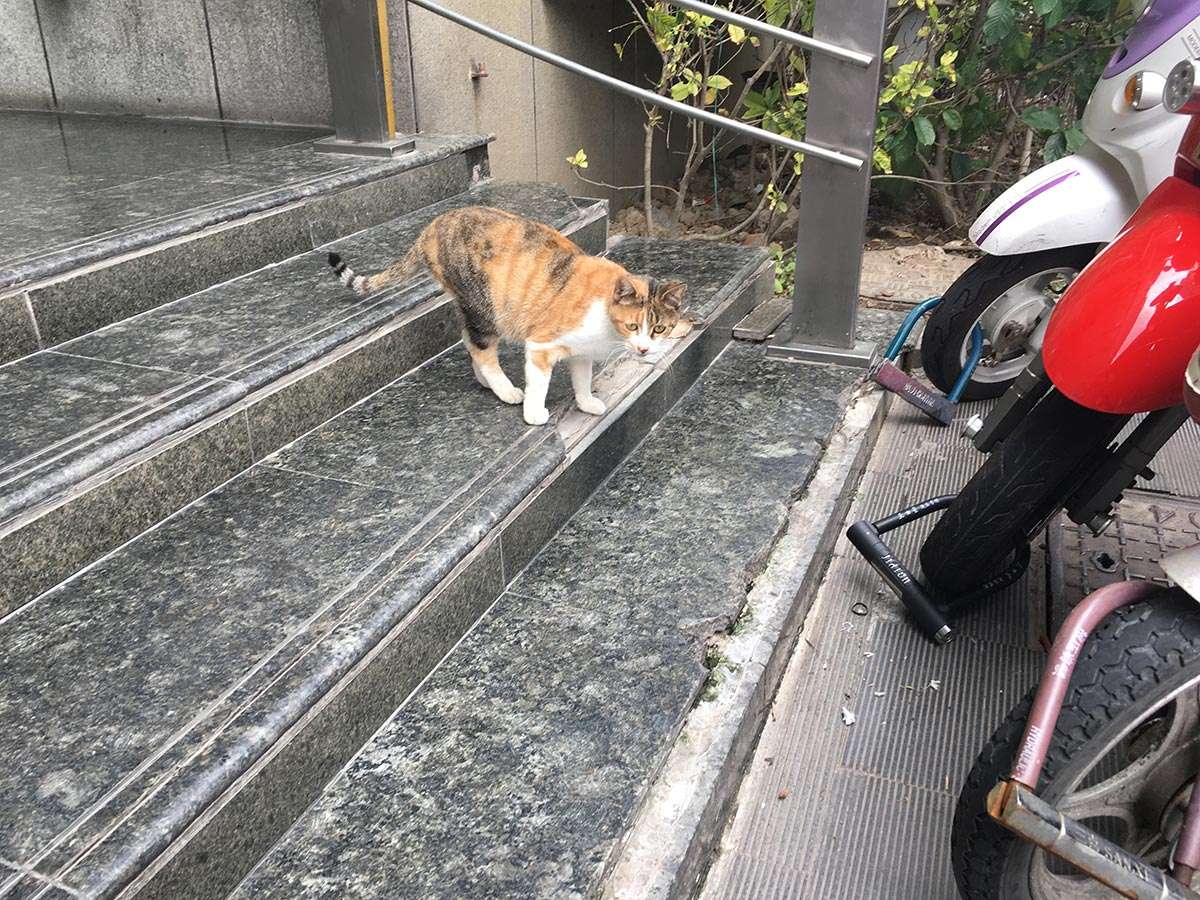
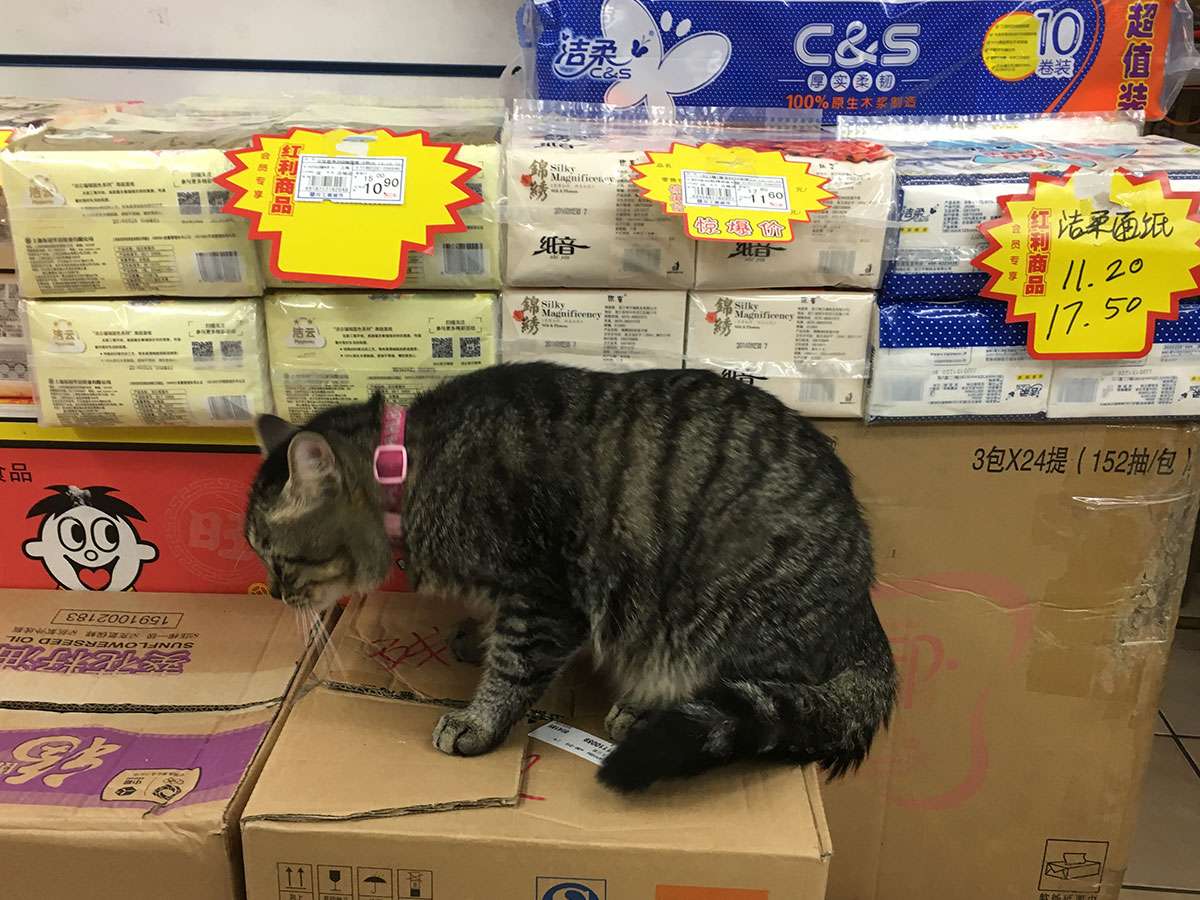
One of the first things visitors to China often notice is that the cats there are neither completely stray nor entirely owned. Instead, they seem to live between two worlds-close to people, yet remarkably independent.
Perhaps that is why cats blend so naturally into everyday city life in China. They are more than just pets. They become part of the city itself.
Attitudes Toward Cats Vary Across Different Parts of China
One of the most fascinating things about traveling through China is that attitudes toward cats can vary greatly depending on the city, region, and local way of life.
Big Cities: Cats as Family Members
In major cities such as Shanghai, Beijing, and Shenzhen, cats often enjoy a lifestyle very similar to that of pets in Europe or North America. Many people choose purebred cats, create indoor climbing spaces, buy designer cat furniture, and use pet hotels, grooming salons, and other specialized services.
Among younger generations, cats are increasingly seen not simply as animals, but as beloved members of the family.
University Campuses: Community Cats
One of the most unique aspects of life in China is the presence of university cats. Students and staff often care for the cats living on campus by feeding them, giving them names, organizing spay and neuter programs, and raising money for veterinary care. In some cases, a single cat even becomes an unofficial mascot of the entire university.
Smaller Cities and Rural Areas: A More Practical View
In smaller towns and rural areas, attitudes toward cats are often more practical. For generations, cats have been valued primarily for catching mice and protecting homes, living as independent outdoor animals around farms and courtyards. Because of this, it is still common to see more free-roaming cats in these areas than in China's largest cities.
Southern and Northern China: Different Lifestyles, Different Cats
In southern China, people tend to spend more time outdoors, so cats are more commonly seen in courtyards, parks, and shared community spaces.
In the north, where winters are much colder, more cats live indoors in apartments and other enclosed spaces. Even so, one trend has become increasingly clear across the country.
In today's China, cats are no longer seen simply as pets. They are increasingly regarded as cherished members of the family.