
In Japan, Cats Are Not Just Pets – They Have Become Part of the Culture. Cats Around the World
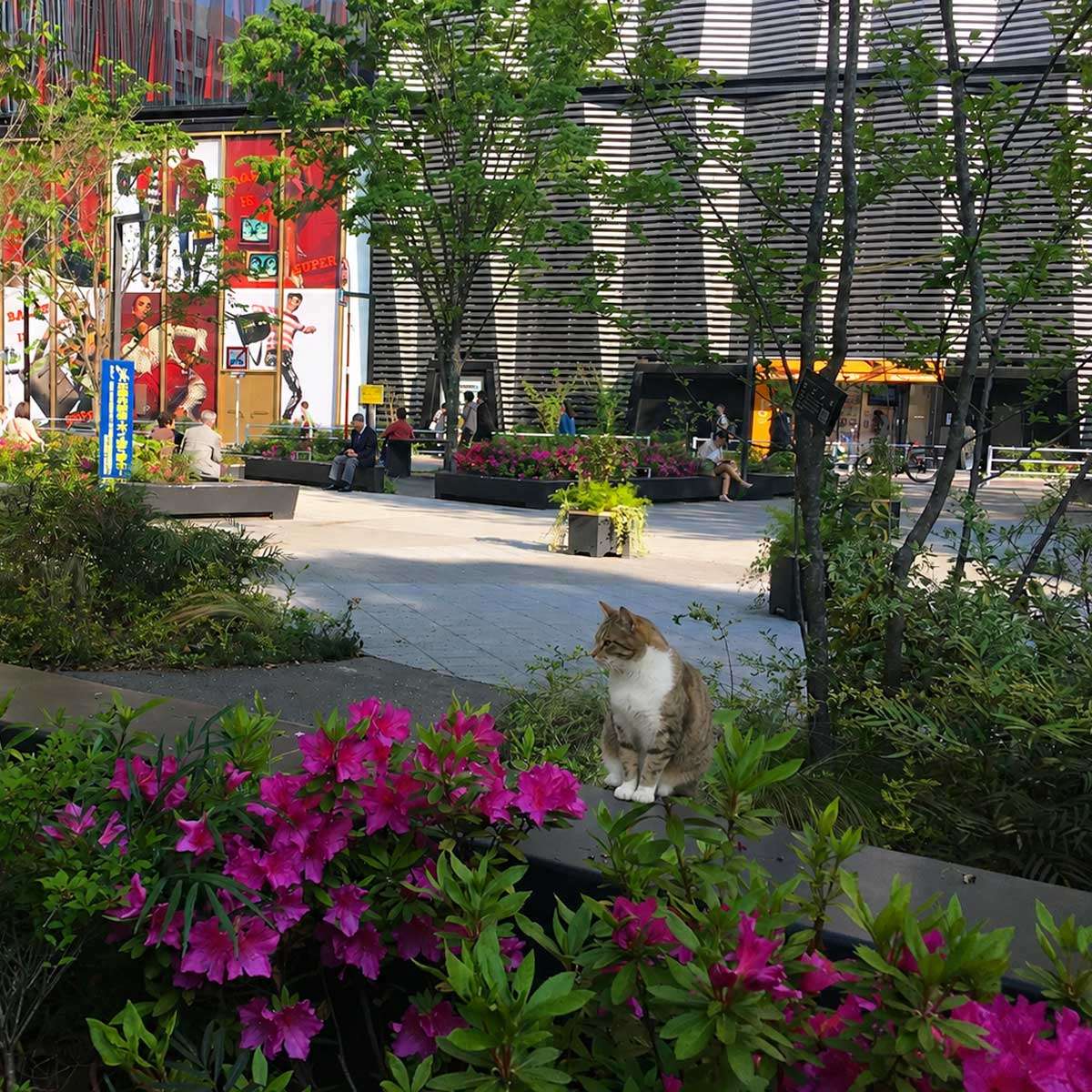
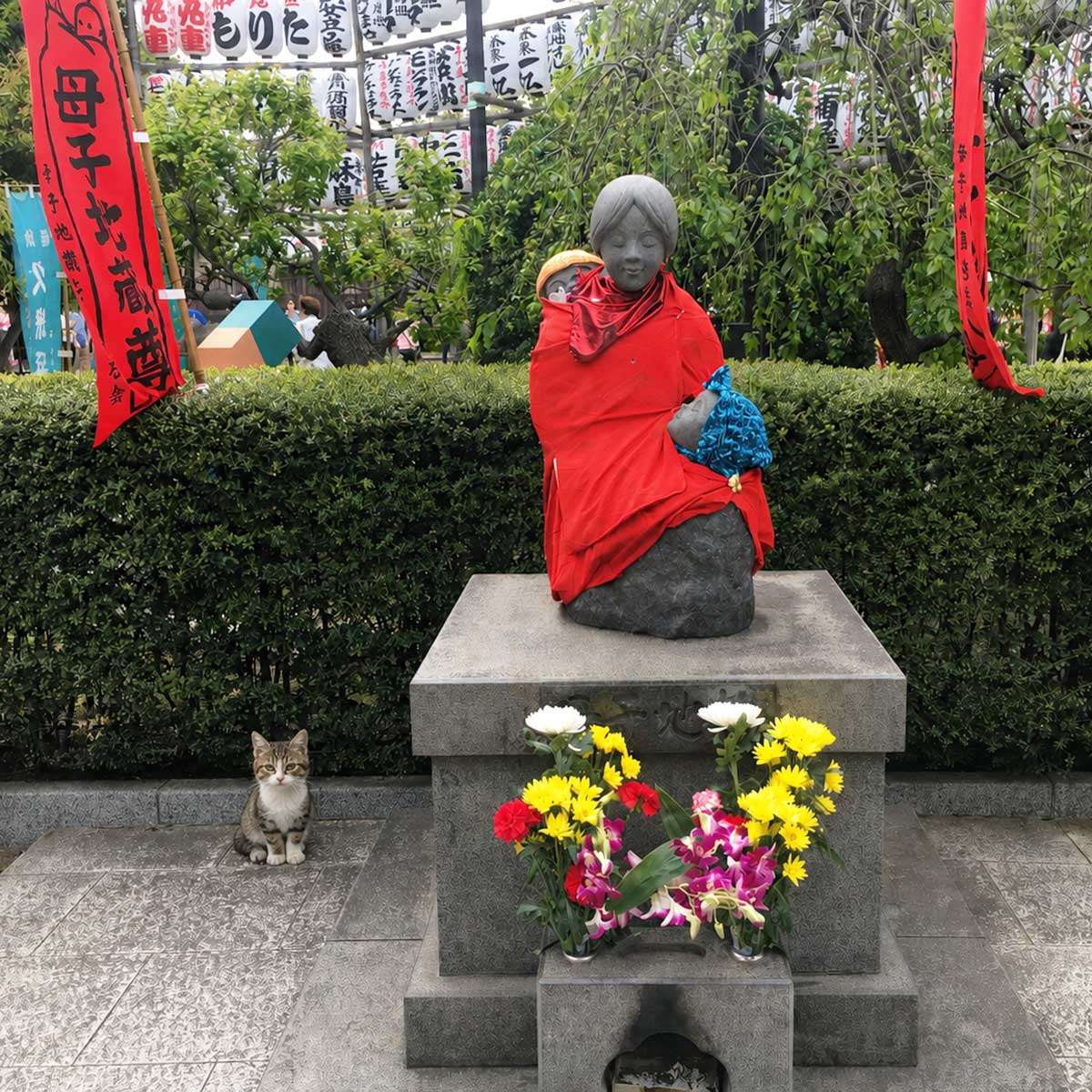
In Japan, cats appear in the most unexpected places. On shop shelves, beside the doors of old houses, on train station signs, in temples, in souvenir stores, or simply sleeping peacefully in the sun.
At first, it seems like Japanese people simply love cats. But after spending more time there, you begin to realize that the relationship is slightly different. In Japan, a cat is not just an animal living in a home. It has become a symbol of calmness, harmony, cozy living, and even the ability to slow down.
A Long History Between People and Cats
Cats have lived in Japan for more than a thousand years. It is believed that the first cats arrived from China through trade routes together with Buddhist manuscripts. At first, their role was quite practical - simply protecting food supplies from rodents. But over time, people’s attitudes began to change.
Japanese culture has long valued modesty, quiet companionship, and respect for personal space. Perhaps that is why cats naturally became not only pets but also a symbol of a certain way of living.
Unlike dogs, which are often associated with energy and social interaction, cats in Japan are often seen as animals that remind people that life does not always require action - sometimes simply being is enough.

Why There Are So Many Cat Symbols in Japan
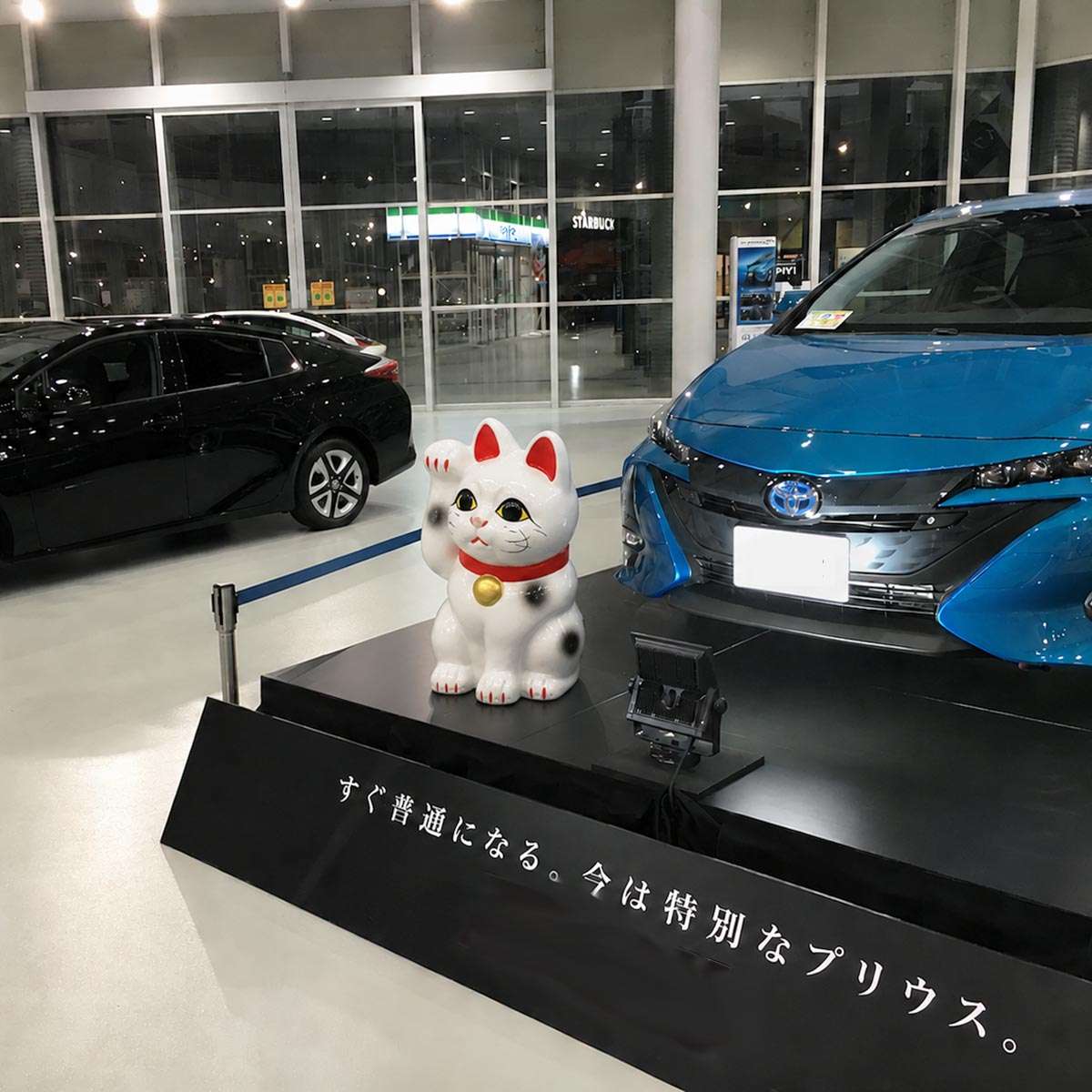
Even people who have never visited Japan have probably seen the small cat figurine with one raised paw.Maneki-neko is considered a s ymbol that invites good luck. Interestingly, Japanese people often do not think of luck as a sudden success.
Instead, luck is more closely connected with: good relationships, harmony, stability, peaceful homes.
That is why cats became a gentle reminder that not everything in life has to happen quickly. For this reason, cat imagery is everywhere in Japan. These symbols do not simply decorate spaces - they create an atmosphere.
Cat Cafés
Japan is one of the most densely populated countries in the world. In large cities, people often live in small apartments, work long hours, and spend much of their day surrounded by others. That is how a very Japanese phenomenon appeared - cat cafés. But their purpose is not exactly what tourists often imagine. People do not come there to play. They come to simply be. To drink tea. To rest. To sit quietly and do nothing for a while.
And perhaps that is why people in Japan so often say that cats teach humans how to live more slowly.
Attitudes Toward Cats Differ Across Regions of Japan
In major cities such as Tokyo or Osaka, cats usually live entirely indoors. People often create carefully designed spaces for them - climbing shelves, cozy resting corners, and dedicated places to observe the world. In Japan, it is also quite popular for cats to have their own place by the window: a shelf, a windowsill, or even a hammock near the curtains.
Japanese people enjoy sheer curtains - not only for beauty and coziness but also for privacy. Japanese cities are dense and homes are often close together, so sheer curtains are commonly kept closed throughout the day.
In smaller towns and on islands, cat life often appears much freer. People know the local cats, leave water outside, and greet them while passing by. Sometimes it feels as if the cats belong not to one household, but to the entire neighborhood.
The Island Where Cats Outnumber People
If Japan already seems full of cats, there is one place that fascinates even people who are not cat lovers. Aoshima is often called one of the world’s most famous cat islands. Only a small number of residents live on this island, yet cats outnumber people many times over.
The most interesting part is that it did not happen intentionally. Years ago, locals kept cats to control mice and protect fishing nets and food supplies. As the human population declined and the cats continued living and reproducing, a truly unusual community formed over time.
Today, people visit from around the world not for entertainment, but simply to walk and experience the unique atmosphere — one where it almost feels as though the island belongs to the cats rather than to humans. But Japanese people often emphasize an important point: places like this are not zoos.
Respect for animals, calm behavior, and allowing cats to live at their own pace remain very important.
What Cats Are Most Common in Japanese Homes
Although many people expect to hear about some exotic Japanese breed, the most common cat in Japanese homes remains the simple local domestic short-haired cat. However, among pedigree breeds, one of Japan’s favorites is the Scottish Fold.
Other popular breeds include:
Munchkin - loved for their short legs and playful personality,
American Shorthair - appreciated for easy care and balanced temperament,
Ragdoll - known for their calm nature and exceptionally gentle behavior.
Japanese people often prefer calmer cats rather than highly energetic ones.
What You Probably Will Not See in Japan
You will rarely see loud, disrespectful, or rough treatment of animals in Japan. Cats are not chased away and are rarely touched unnecessarily. People seem to accept their rules.
Perhaps that is why, while traveling through Japan, a strange feeling sometimes appears - it feels as if cats live exactly the way they want to. And people respect that. In Japan, cats have become more than pets. They became a small reminder that not everything in life needs to be controlled.
And although we do not live in Japan, we love the idea that life with cats can be calmer, kinder, and built around understanding rather than punishment.
That is exactly why cat-friendly curtains were created - so owners could stay calm like the Japanese and smile while saying:
“Fluffy tails - up!”