It is beneficial for cats to hide behind curtains when there are more pets at home

It is beneficial for cats to hide behind curtains when there are more pets at home

Be kategorijos

Do you have several pets at home? Great!

However, sometimes disagreements may arise over territory, toys, or simply attention.

When several pets live at home, each of them naturally seeks their own space and safety zone. Cats, being independent and protective of their territory, may sometimes feel the need to hide or protect themselves from other pets. In such cases, curtains can become an ideal place that provides a sense of security.

A safe space for cats

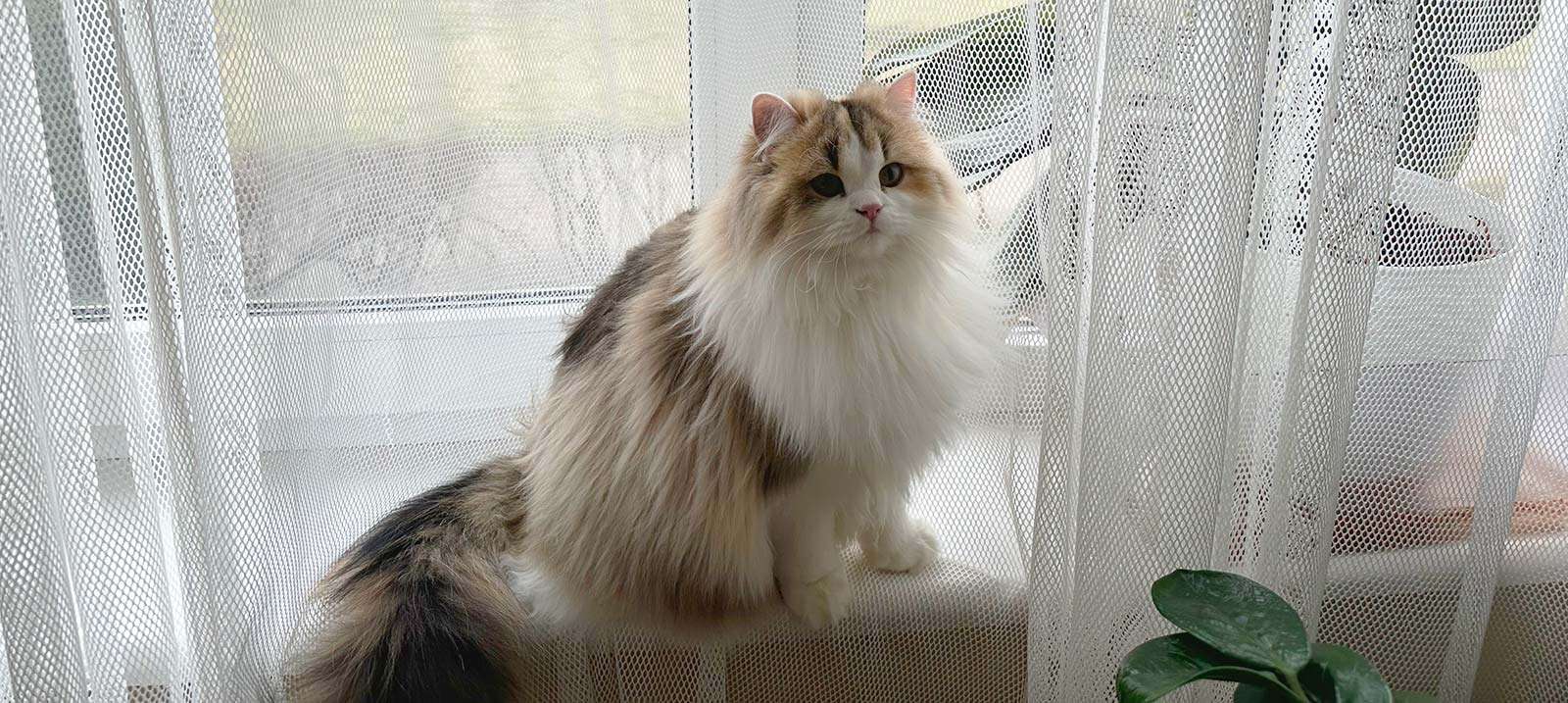
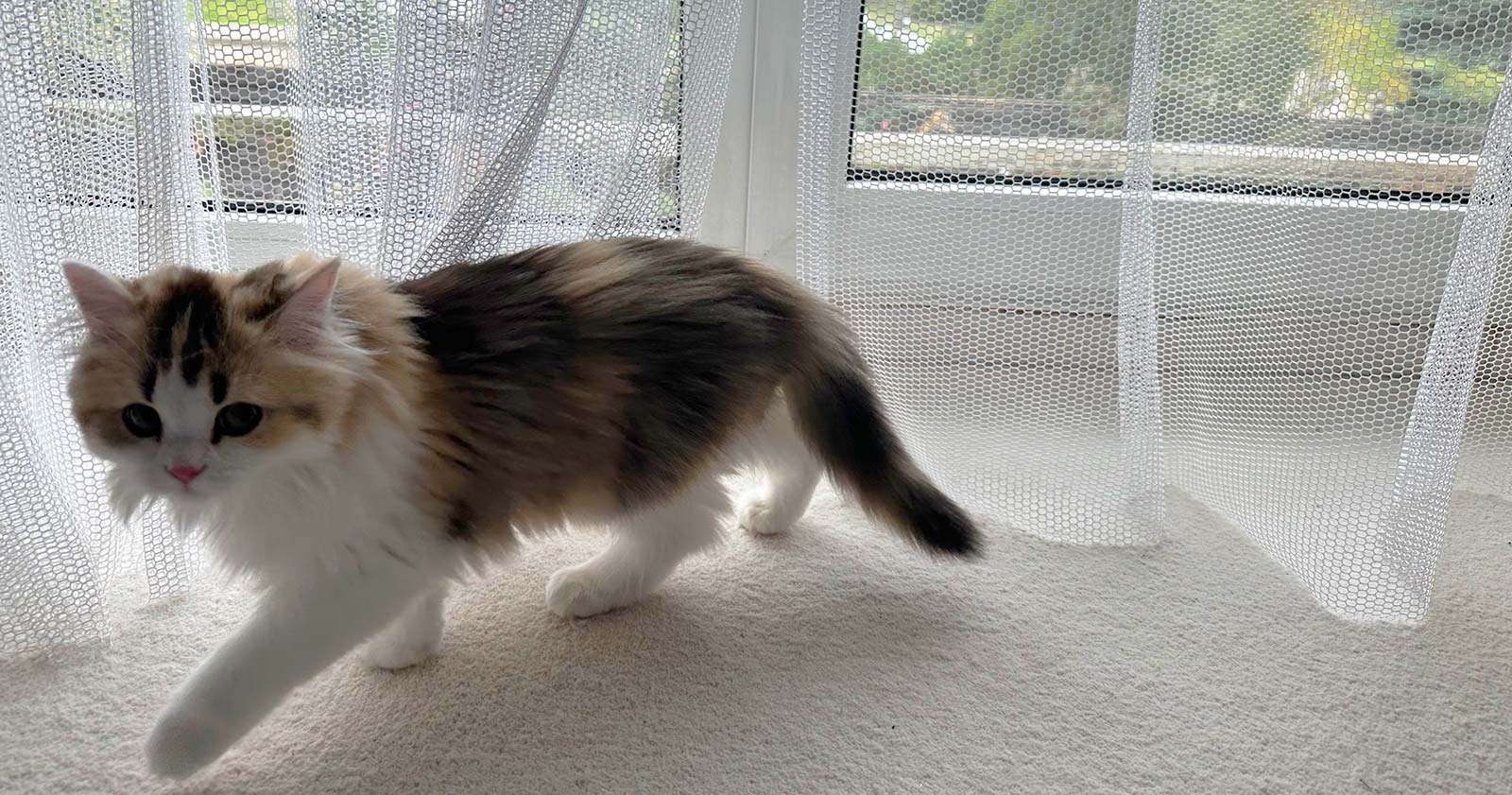
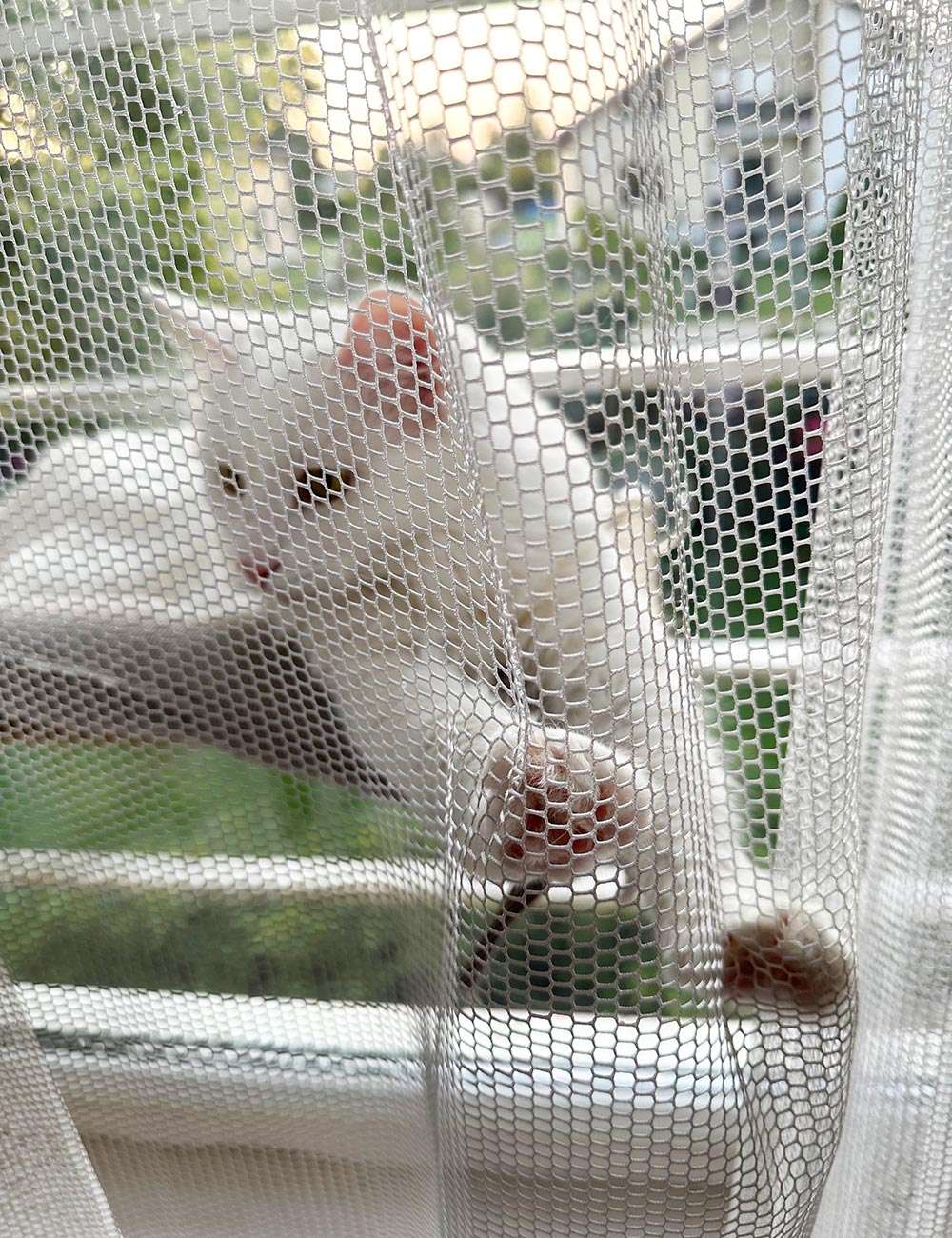
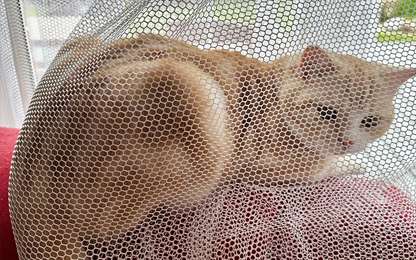
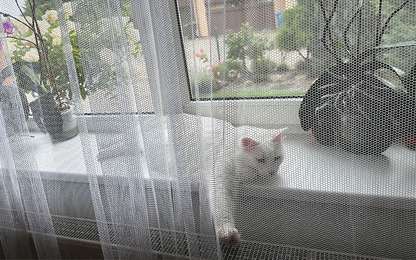
Older cats often seek hiding places where they can feel calm and safe, especially if a new kitten or puppy appears at home. Curtains are an excellent place where a cat can hide from other pets or noise. Hidden behind the soft fabric, cats can observe their surroundings from a safe distance. This is especially useful if new pets come into the home, who can sometimes become overly active or curious.

Climbing is a natural activity for cats

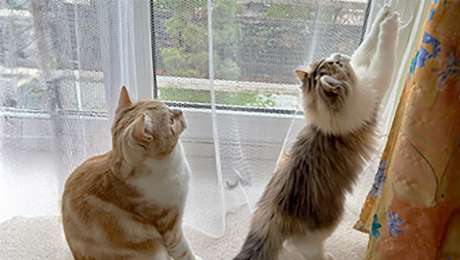
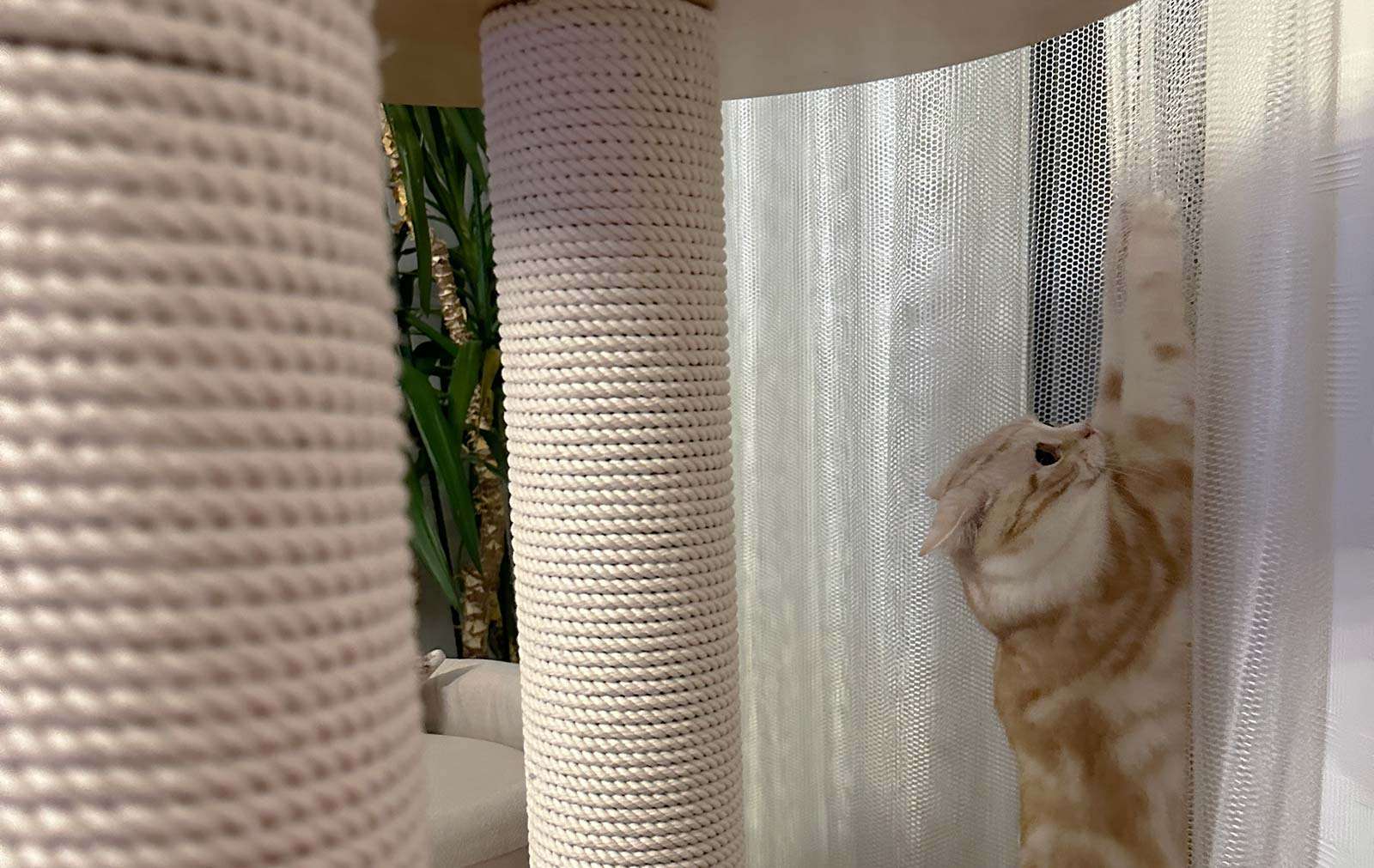
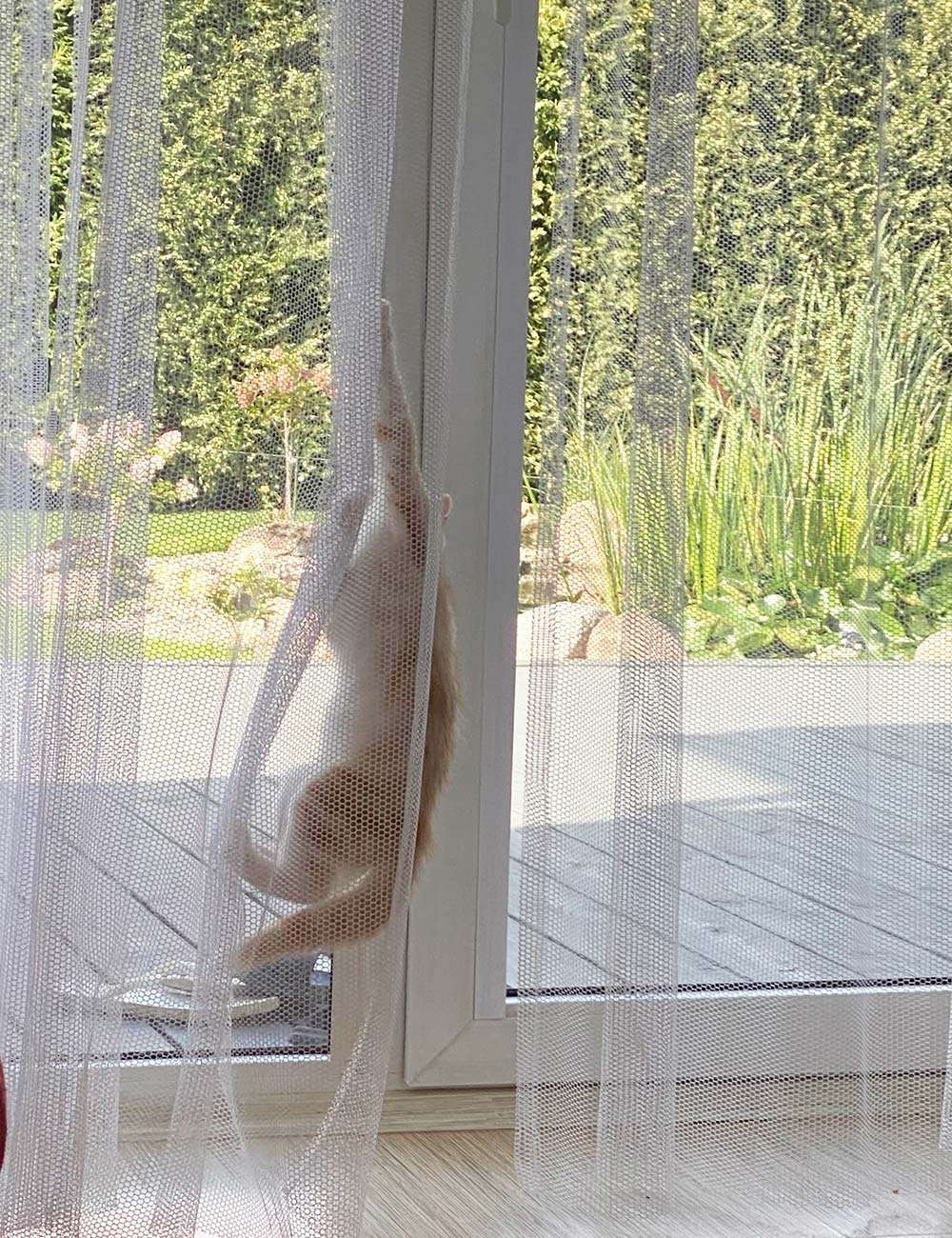
Besides hiding, cats naturally tend to climb and explore heights. Curtains provide an excellent opportunity for cats to climb upwards, which aids not only their physical activity but also their psychological satisfaction. When a cat climbs up, it feels higher than other pets, giving it a sense of advantage and security.

Curtains - a place for play and training

Although curtains primarily serve as a decoration in your home, they also become a playground for cats. Climbing and exploring curtains not only delights cats but also helps them stay active and train their muscles. Such activity reduces boredom, which is especially important when there are more animals at home who may compete for attention or space.

Scratch and bite-resistant curtains – an excellent solution

Since not only small kittens but also adult cats love curtains, it's important to choose ones that are not only beautiful but also durable.

Our offered day curtains are specially designed for cats:

  • Scratch and bite resistant. Made from sturdy fabric that will withstand even the most active cats' claws.
  • Washable. It is recommended to wash them by hand to prevent the curtain rings from being damaged in the washing machine.
  • Stylish. The curtains are off-white in color and drape easily, making them suitable for any interior.

Why choose our curtains?

  • Reduce stress. Ensure that your cats have a safe space to relax when they seek peace.
  • Protect your furniture. By climbing on or playing with the curtains, cats will forget other scratching objects, thus protecting your furniture from cat claws.
  • Create a cozy atmosphere. Beautiful and functional curtains will adorn your home.
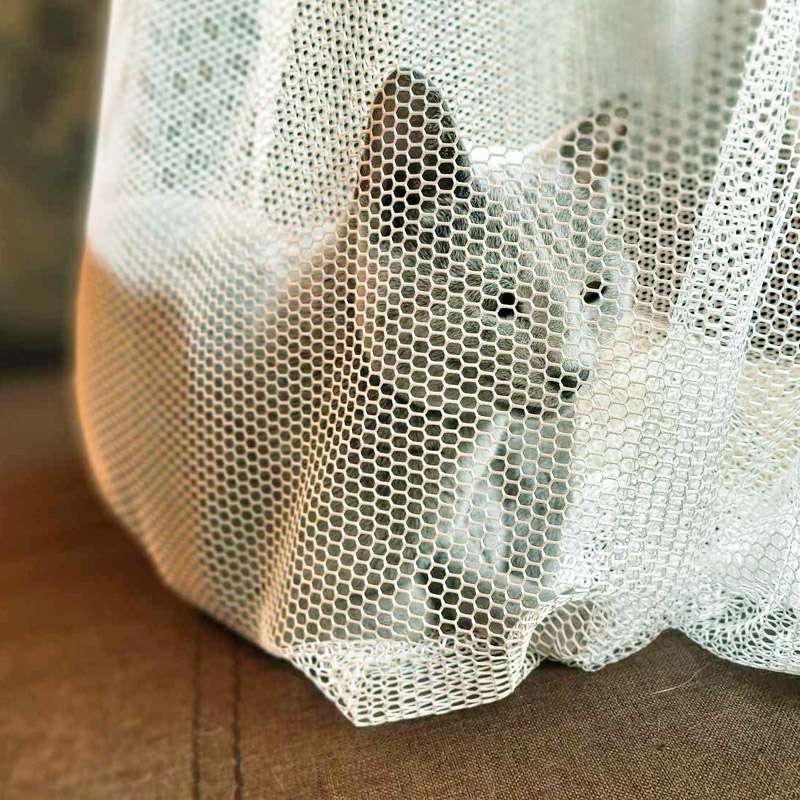
If several cats or other pets live in your home, special curtains are an excellent solution to ensure their safety and comfort. By choosing our offered curtains, you are investing not only in your home's interior but also in your pets' well-being.

Order today and let your cats enjoy a safe and cozy environment!
Which cat breeds are most likely to climb curtains?

Which cat breeds are most likely to climb curtains?

Be kategorijos

Cats are highly curious and adventurous creatures.

It's no wonder that many cats love exploring their surroundings and often climb cabinets and even curtains. However, not all cats are equally active in seeking height challenges.

Some cat breeds are more energetic and curious. They may even try to reach the ceiling by climbing curtains.

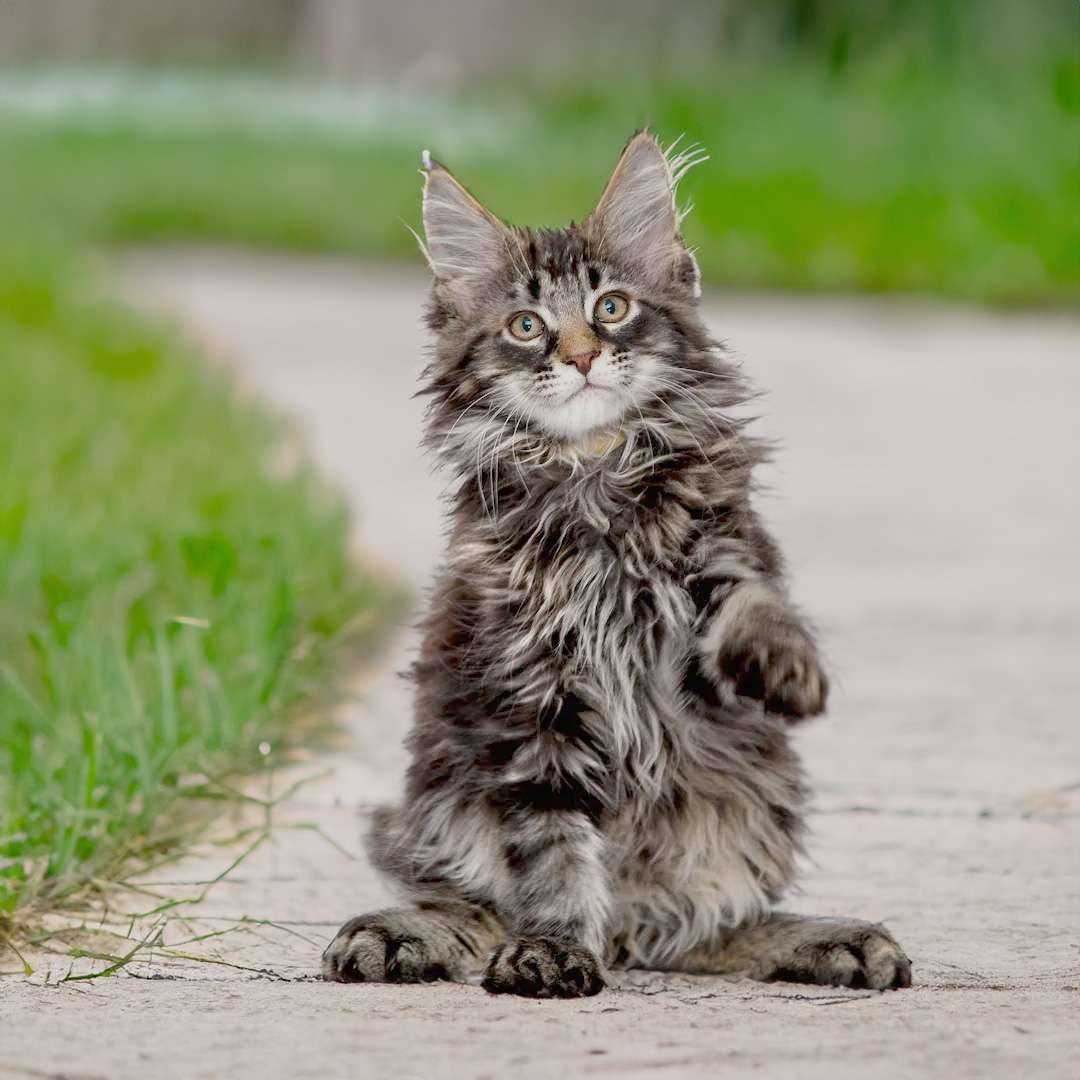
Maine Coon cats

While these cats are large and may appear lazy, they are also known for their curiosity and playfulness. Maine Coons love to climb and explore, and curtains become a great place for them to hide and observe their surroundings.

Interesting facts.
Maine Coons are the largest breed of domestic cat in the world.
The longest domestic cat in the world is a Maine Coon named Stewie, who measures 123 cm (48.4 inches) in length.

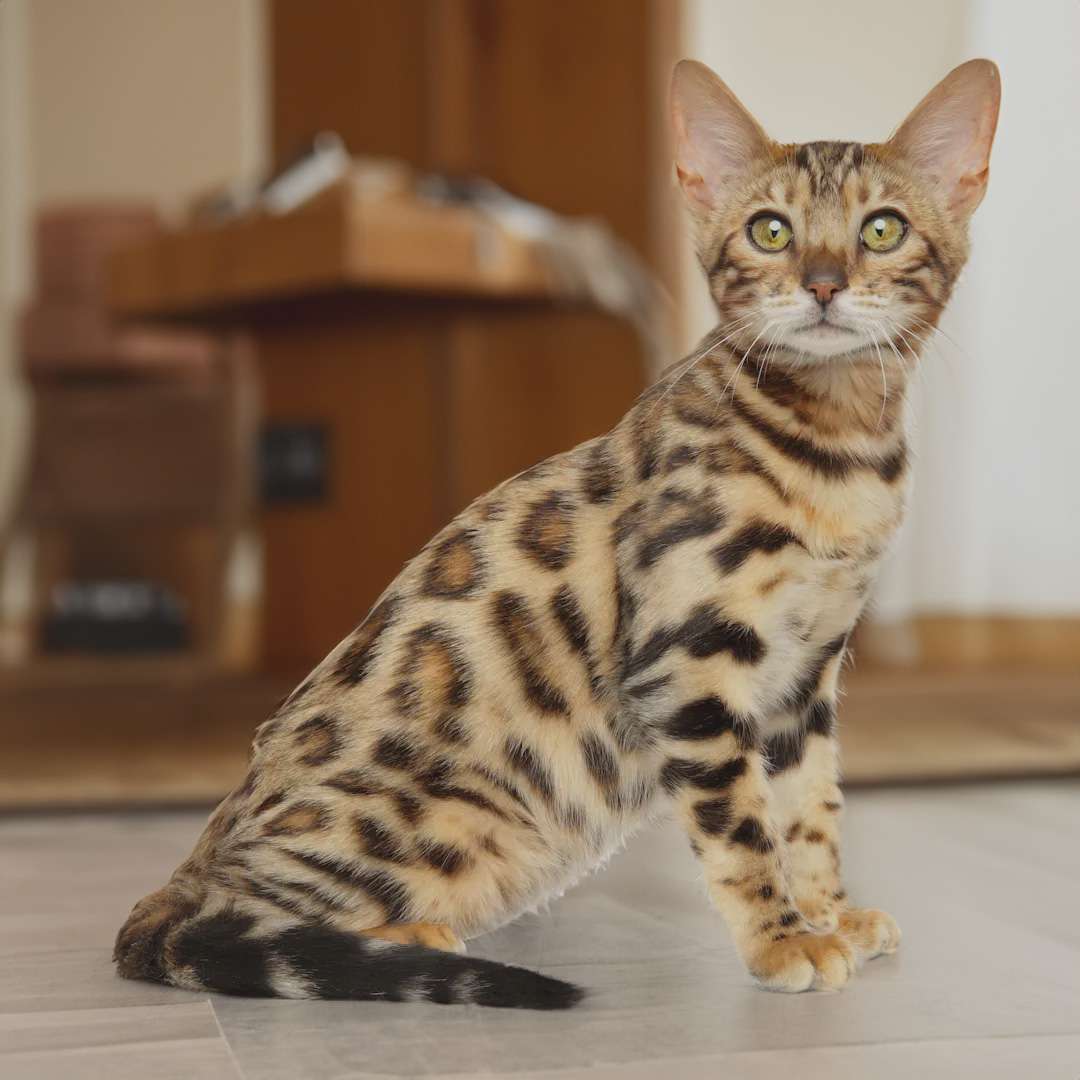
Bengal cats

People know these cats for their energy and agility. Bengal cats love to be mischievous, and curtains become a great alternative to obstacle courses for them. Bengal cats originated as a hybrid breed when breeders crossed wild Asian leopard cats with domestic cats. They have a striking spotted coat, graceful body, and energetic temperament.

Interesting facts:

Bengal cats rank among the fastest domestic cat breeds-they can run at speeds of up to 50 km/h.
They can jump impressively high-some can jump up to 2 meters.
They love water and often enjoy swimming.
They are very communicative and can emit various sounds to express their feelings.

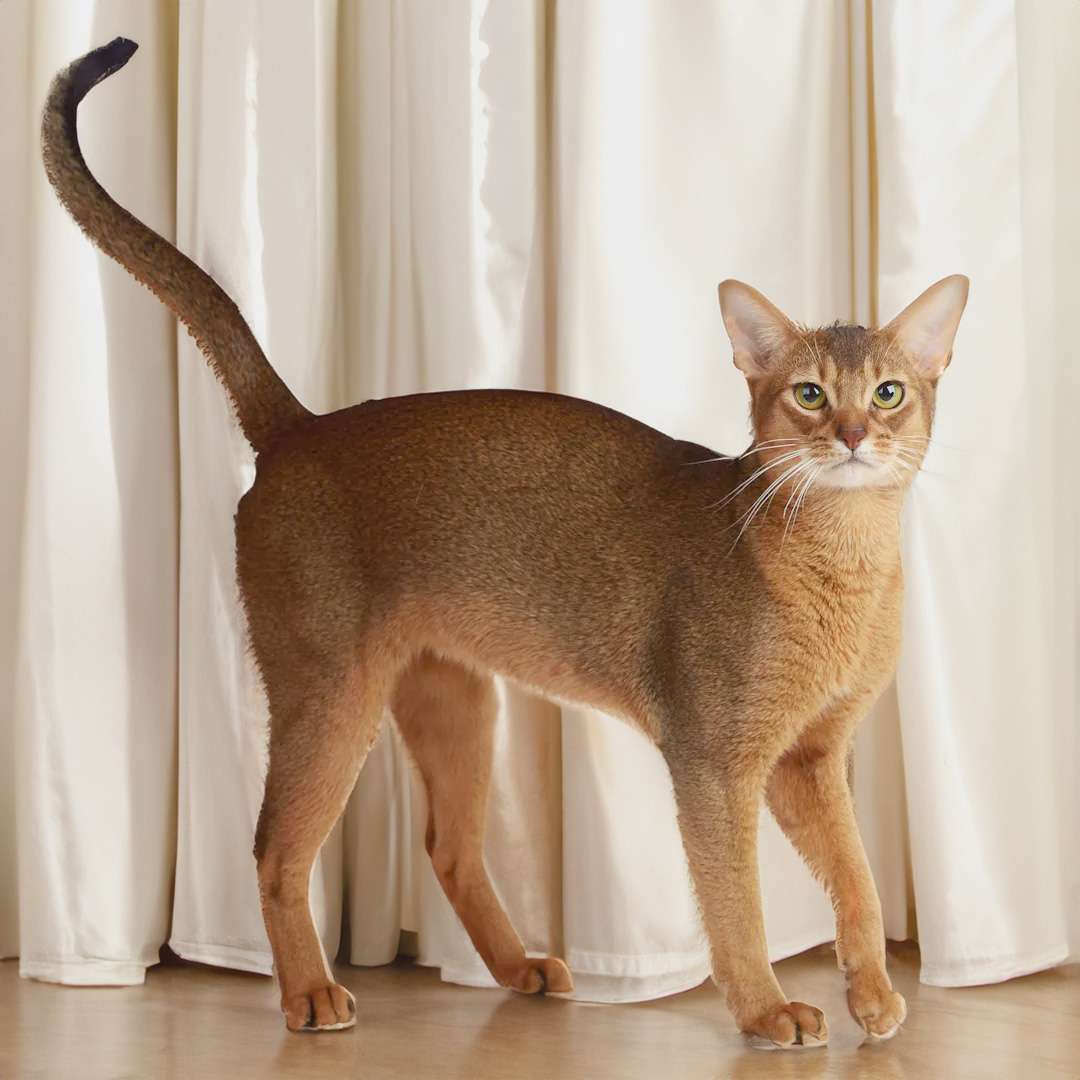
Abyssinian cats

Abyssinian cats are a noble and ancient breed of cat originating from Ethiopia (formerly known as Abyssinia). They are known for their graceful bodies, long and slender coats, expressive eyes, and playful temperament. They are known for their playful and energetic temperament.
Abyssinian cats are intelligent and curious, love to explore and play, and are also very attached to their owners and love to spend time with them.

Interesting facts.
They are known for their speed and agility. Abyssinian cats are very good hunters.
They love to climb and explore high places.
Abyssinian cats are very communicative and often make various sounds to express their feelings.

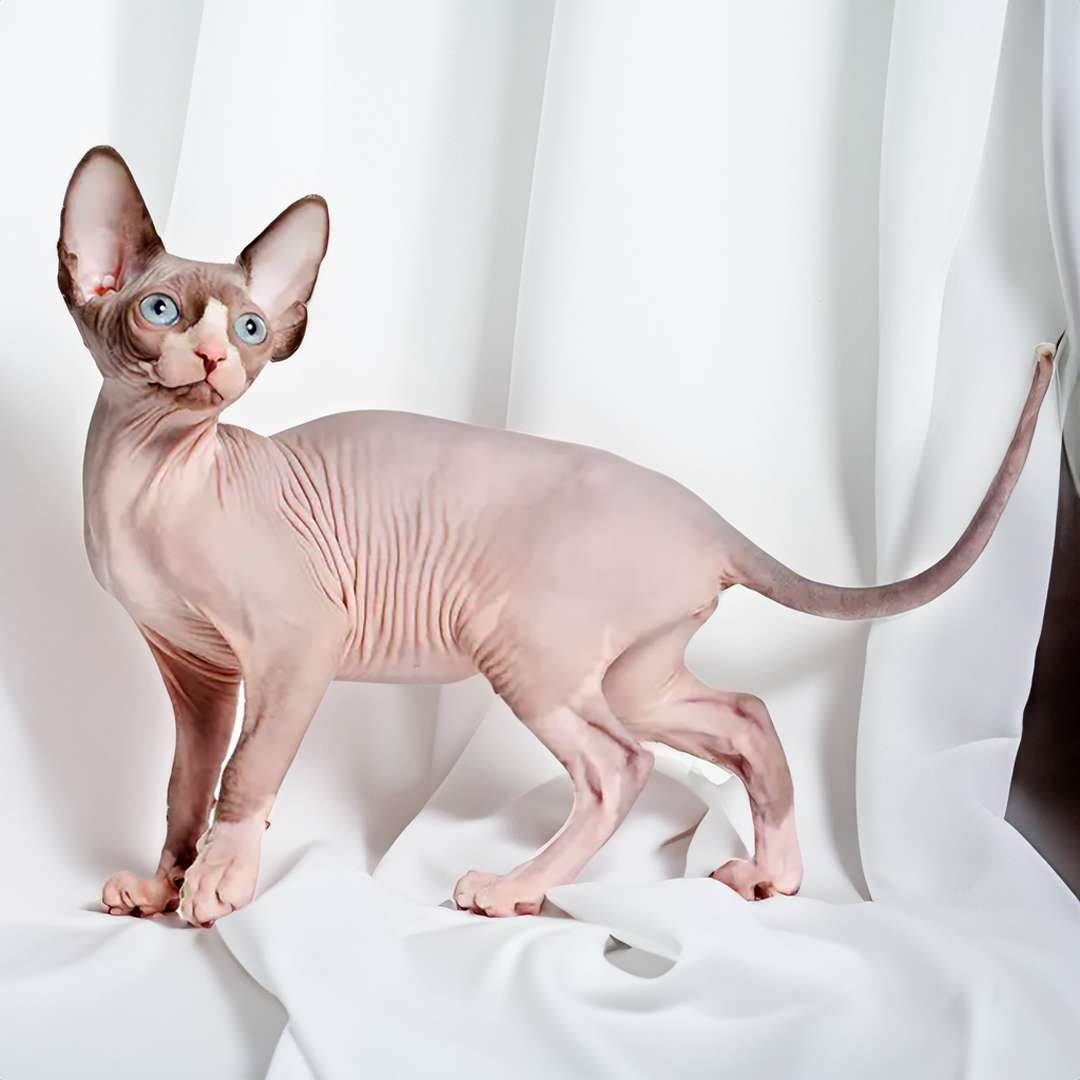
Sphynx

The origin of Sphynx cats is not entirely clear, but it is believed to have arisen from a natural genetic mutation. The first hairless cat was registered in 1938 in Canada, and breed development began in the 1960s in the USA. Sphynx cats are a hairless cat breed known for their wrinkled skin, large ears, and expressive eyes. While they may look unusual, Sphynx cats are beloved for their gentle nature, playful temperament, and devotion to their owners.

Interesting facts:
Sphynx cats are not completely hairless - they have some fuzz on their head, legs, and tail.
Their body temperature is higher than other cat breeds, so they like warmth.
Sphynx cats are very good hunters, and they also love to cuddle and be close to people.

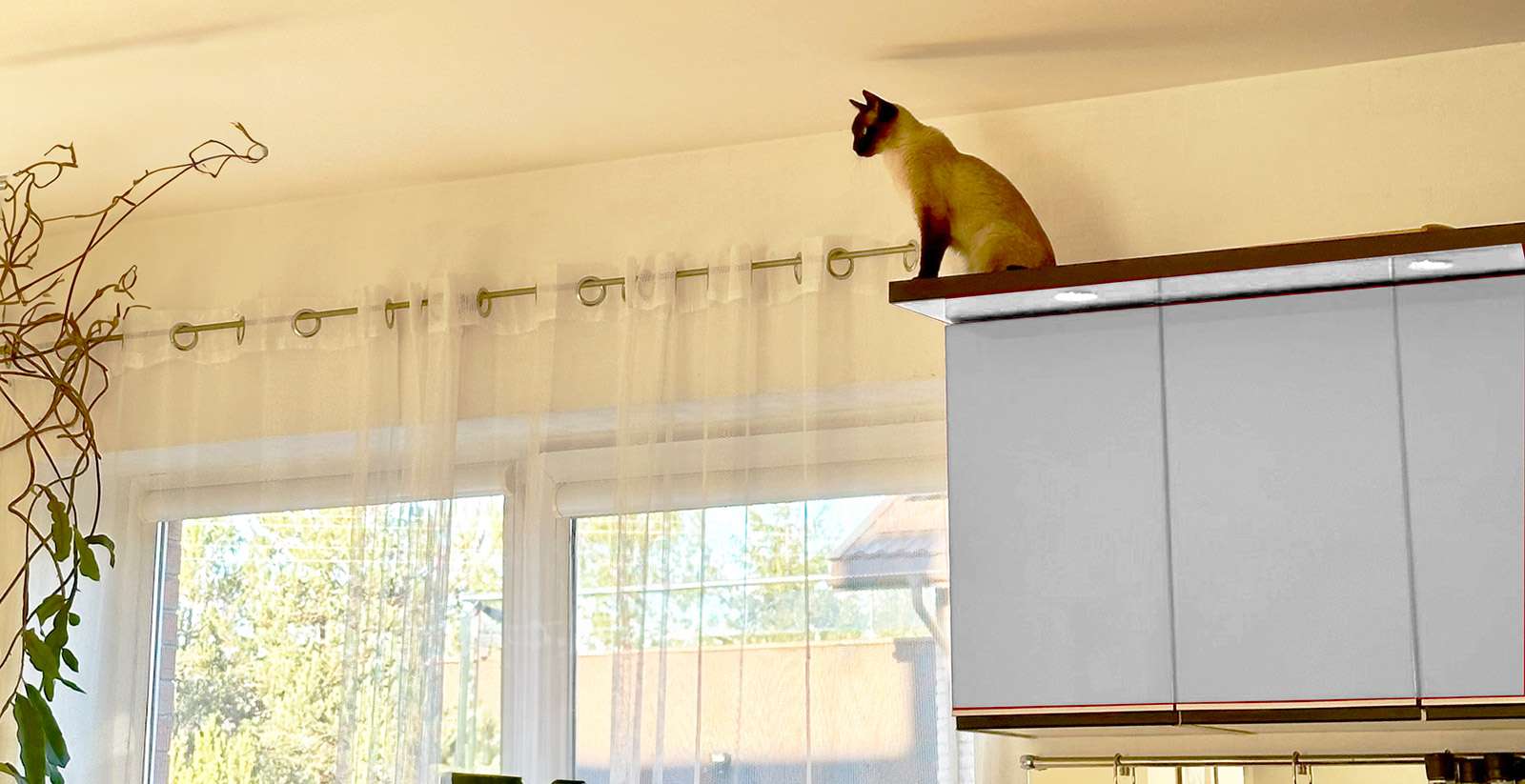
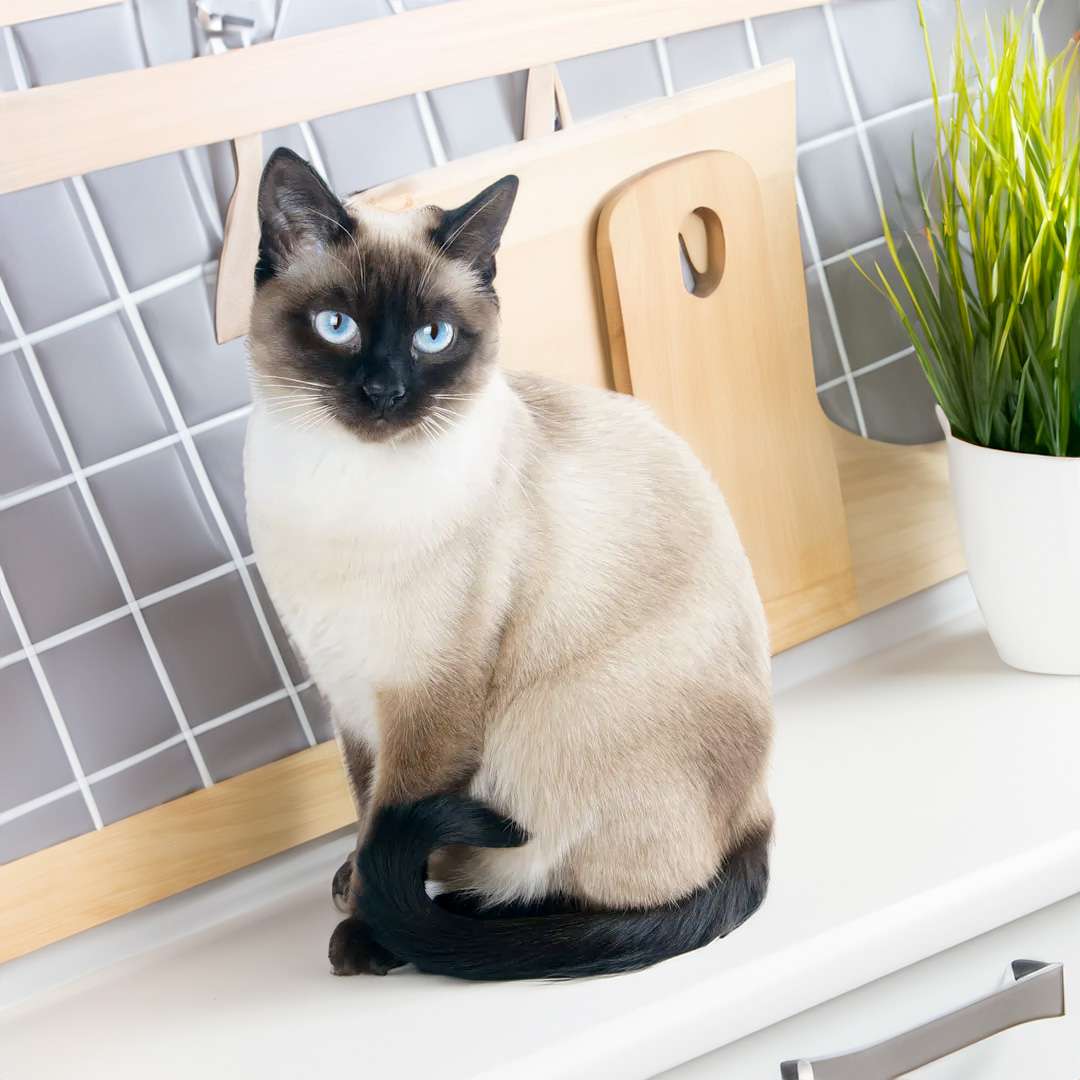
Siamese cats

Siamese cats are a shorthaired cat breed originating from Thailand (formerly known as Siam). They are known for their striking blue eyes, distinctive coloration, and elegant bodies.

Origin and History. Siamese cats have an ancient lineage dating back over 600 years. They were revered by the Thai royal family and considered sacred animals. Introduced to Europe in the late 19th century, they quickly gained popularity as a sought-after breed.

Personality and Temperament. Siamese cats are renowned for their expressive loud meows and friendly personalities. They can also be quite active and curious, enjoying exploring their surroundings. This means they may have a tendency to indulge in climbing window curtains.

Interesting Facts.
Siamese cats are known for their longevity, with some individuals reaching over 20 years of age.

Their coat color reflects their body temperature. Cooler areas of the body display more vibrant colors, while warmer areas have a muted appearance.

Siamese cats are intelligent and can be trained to perform various tricks. Favored by filmmakers, Siamese cats have made their mark as talented actors.

Every cat is unique and may have its own individual hobbies and behavioral traits. Regardless of breed, it is important to provide a safe and friendly environment for your cats so that they can safely enjoy their hobbies, including climbing window curtains.

What motivates cats to destroy curtains?

What motivates cats to destroy curtains?

Be kategorijos

Cats are natural-born hunters

Physiological Factors

Firstly, scratching helps cats maintain healthy, sharp claws and mark their territory. Moreover, curtains are ideal for this purpose as they are often easily accessible.

Therefore, if cats do not have a preferred scratching post, they may start scratching furniture, curtains, or other objects.

Furthermore, if your pet feels insecure or stressed, it may start scratching curtains to mark its territory and defend it from other animals.

Boredom

If your cat or kitten does not have enough toys or physical activity, it may start scratching curtains to find something interesting to do. Cats need plenty of active play to be happy and healthy.

If you want your pet to stop scratching curtains, you can try to do it in several ways:

Provide cats with ample scratching opportunities. Purchase a scratching post.

Cat scratching posts can vary greatly, from simple and inexpensive to elaborate and expensive, depending on your pet's needs and your own budget.

Vertical wooden posts. These are one of the most popular types of scratching posts. They are typically made of wood and stand on a base or are attached to the wall. These posts are wrapped with scratching-appropriate rope.

Horizontal scratchers. These are parallel surfaces, such as scratching mats or shelves. These scratchers can be made of cardboard or wood.

Scratchers with toys. Some scratchers are combined with toys that encourage cats to play and move. These may be hanging toys or toys built into the scratcher itself.

Complex scratchers. Some scratchers are more elaborate, with multiple levels, toys, beds, and resting spots. These scratchers can be more expensive, but they offer more opportunities for your pet to play and exercise.

It is very important to consider your cat's needs, personality, and preferences when choosing a scratching post. It is also important to make sure that the scratching post is sturdy, safe, and enjoyable to use.

Avoid stress and boredom.
Be aware of your pet's behavior and try to eliminate any sources of stress or boredom.

If your cat feels insecure or stressed, you can try to calm them down by giving them more attention and playtime.
Train your pets on what is good and what is not.

Training can take some time, but it is important to be patient and consistent.
Unfortunately, these tips may not work.

Therefore, we offer you to buy our curtains and no longer worry about them being scratched.

Your pets will be able to climb, chew, or scratch them freely. Even with very intensive use by several cats, they will remain beautiful for at least 3-5 years.

Cats Love to Climb

Cats Love to Climb

Be kategorijos

Why do cats want to climb?

Many cat owners complain their pets claw at curtains, try to climb them, or launch themselves at them when chasing a fly or observing something interesting.

Climbing is a natural behavior for cats, and especially kittens. Here are the main reasons:

Instinctual urge – In the wild, cats climb high to hunt or escape predators. Curtains often serve as a quick accessible alternative indoors.

Boredom and lack of outlets – Without proper scratching posts or climbing structures, curtains become an attractive plaything and exercise tool.

Stress relief and security – Cats may also claw or climb when feeling insecure or anxious, using high spots to feel safe and in control.

How to help cats channel their climbing instinct

  • Exercise – Cats are natural hunters and need plenty of physical activity. Climbing curtains is a great form of exercise.
  • Exploring their surroundings – Cats love to observe and explore their environment, and climbing curtains gives them the perfect vantage point to see everything from above.
  • Hiding – When feeling unsafe or frightened, cats like to hide. By climbing to higher ground—away from other cats or dogs—they feel much more secure.
  • Feeling superior – Cats enjoy feeling above others, both literally and socially. Climbing curtains allows them to be in control of their space and observe everyone from a dominant position.