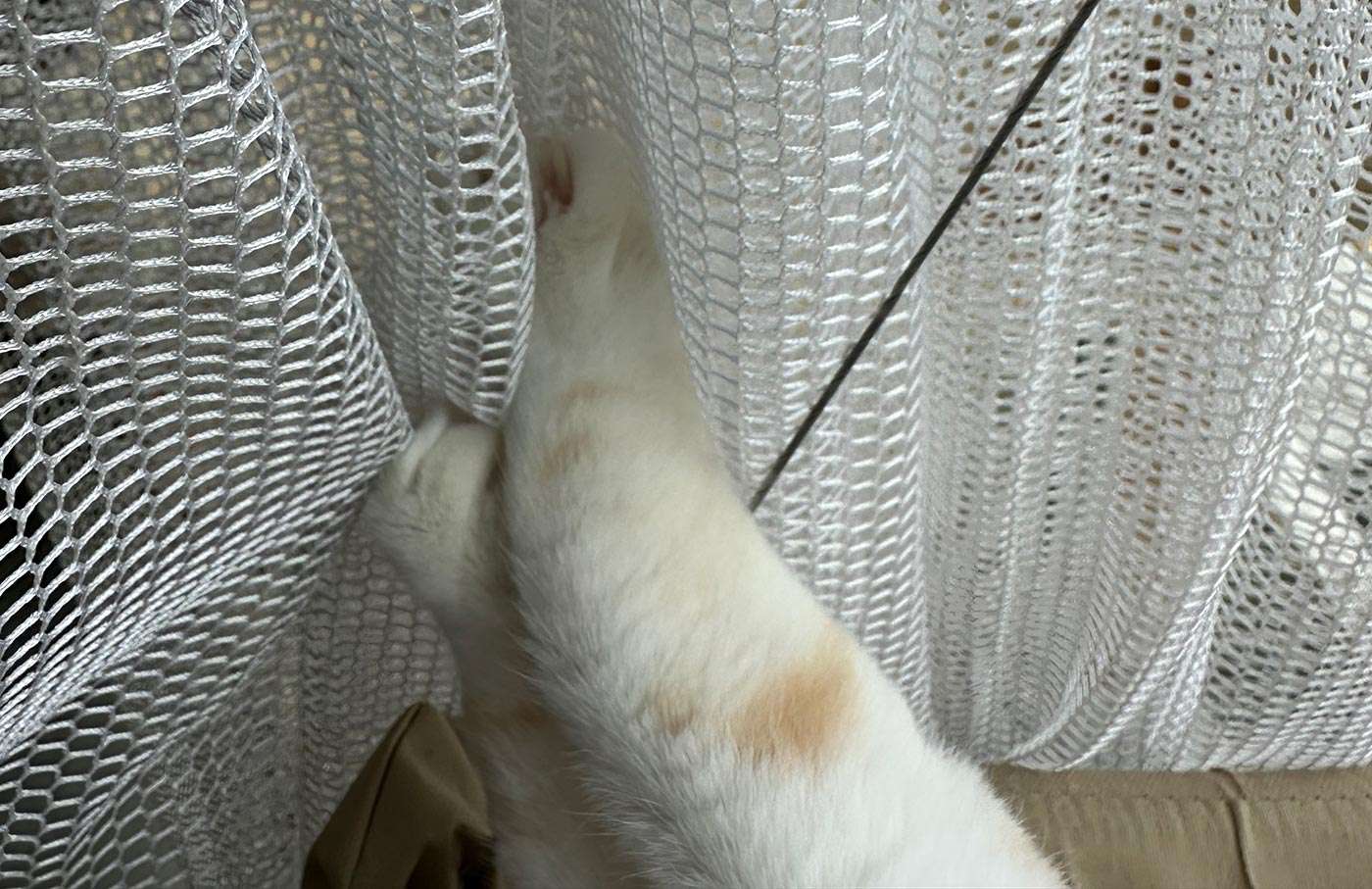
Why Do Cats Live So Differently in China Than in Europe? Cats Around the World

Why Do Cats Live So Differently in China Than in Europe? Cats Around the World

Be kategorijos

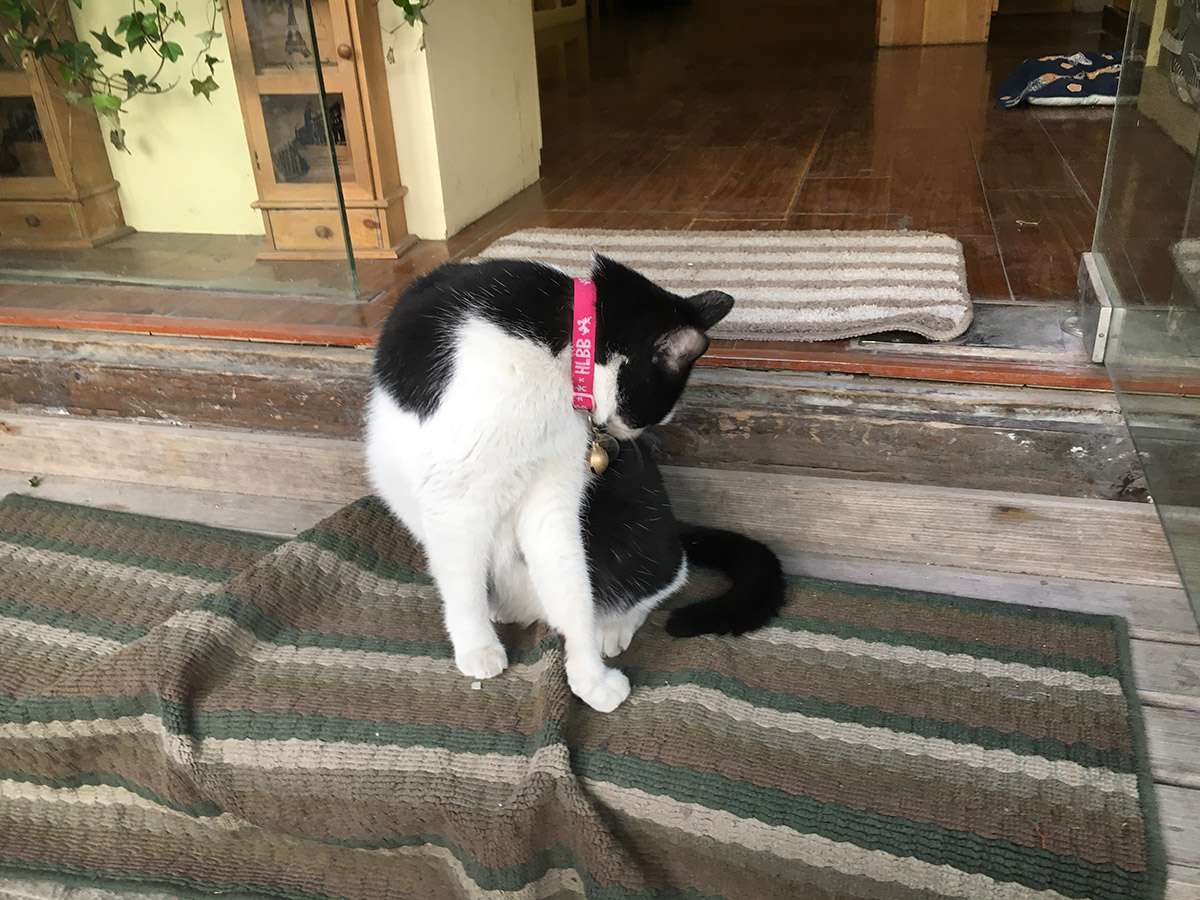
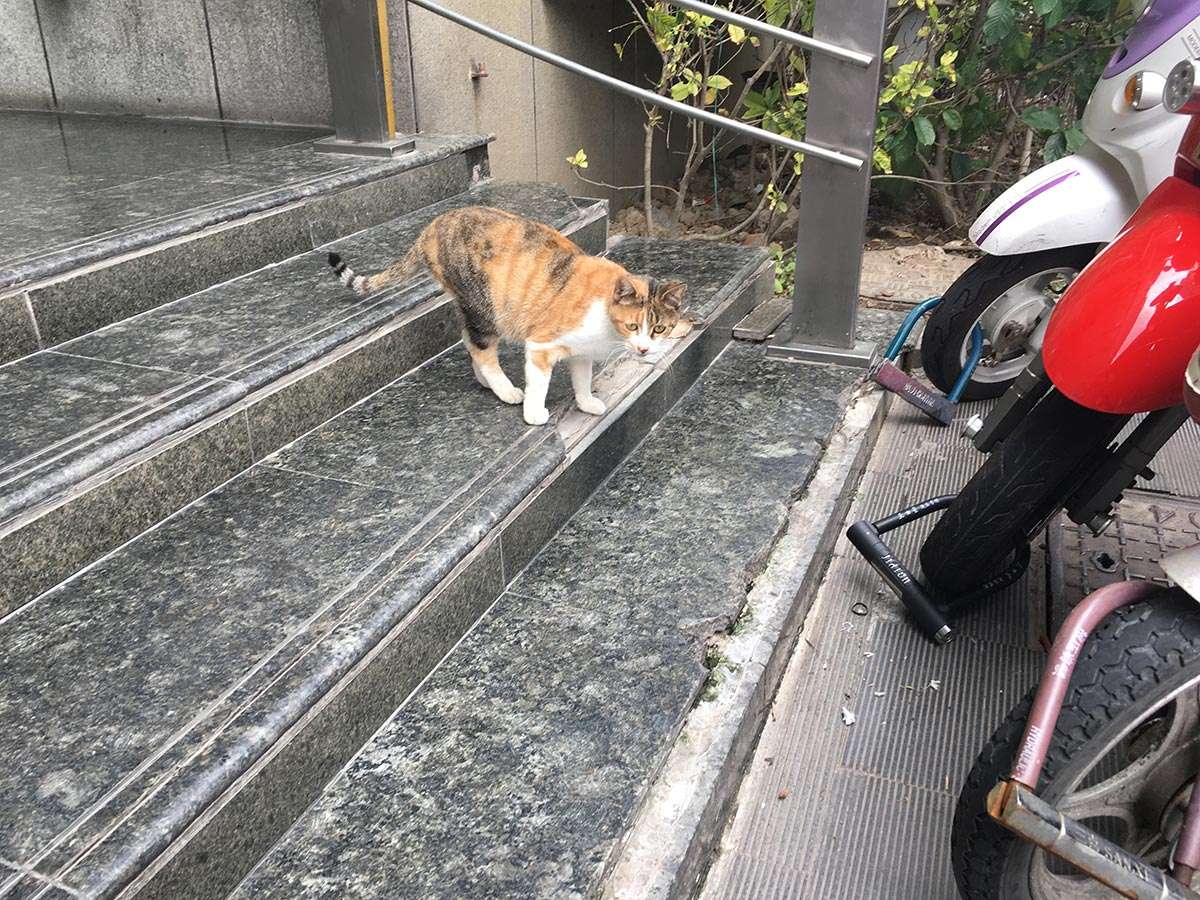
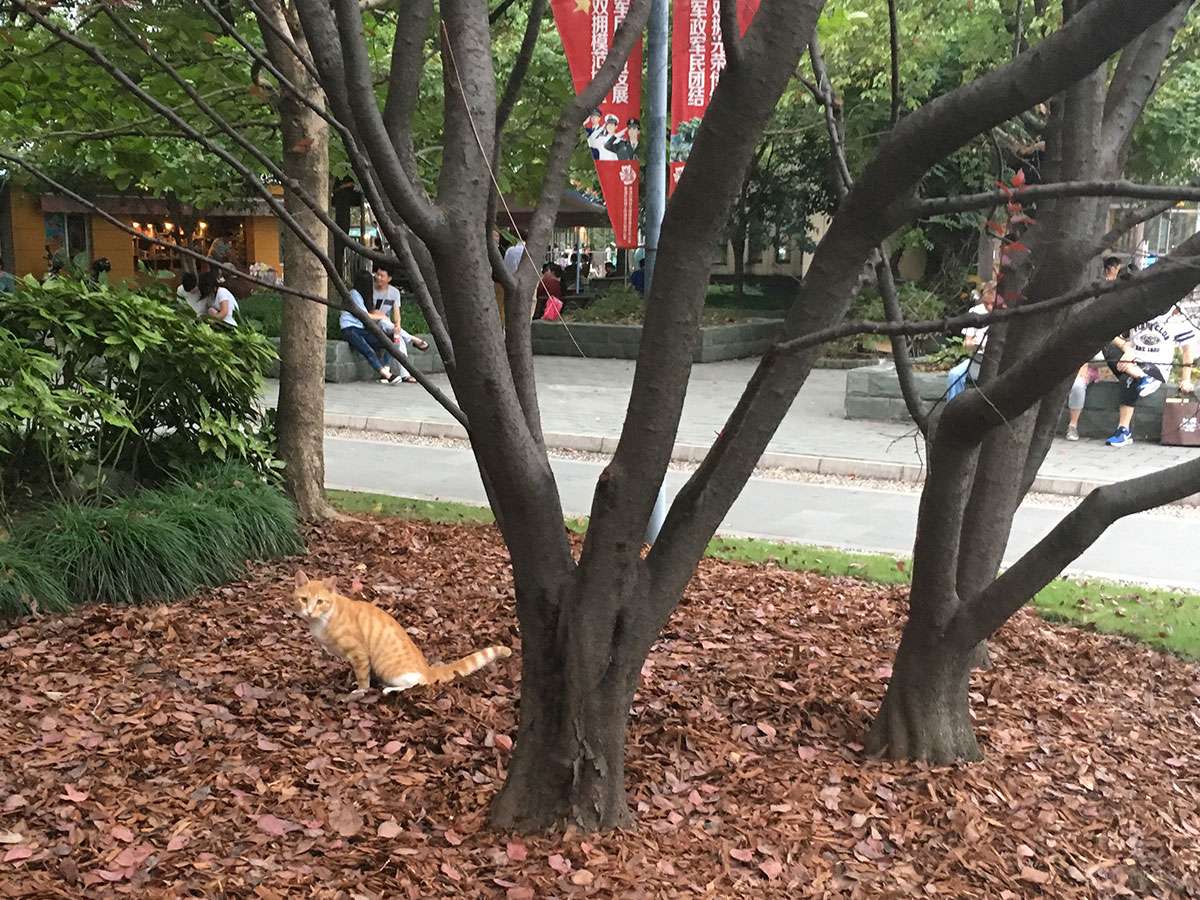
When you first arrive in China, you quickly notice something fascinating - cats are everywhere, yet they live very differently from those in most European countries. In one city, you might see pampered cats living in luxurious homes, while elsewhere you’ll find them calmly wandering through residential neighborhoods, university campuses, or around local restaurants. Attitudes toward cats in China are remarkably diverse and often depend on the city, the region, and even the generation of the people you meet.

How Cats Came to China

Cats have lived in China for thousands of years. It is believed that the first domesticated cats were kept to protect grain stores from mice and rats. For a long time, cats were valued not simply as pets but as useful helpers. Today, however, the situation is very different. In China's major cities, cats have become cherished members of the family.

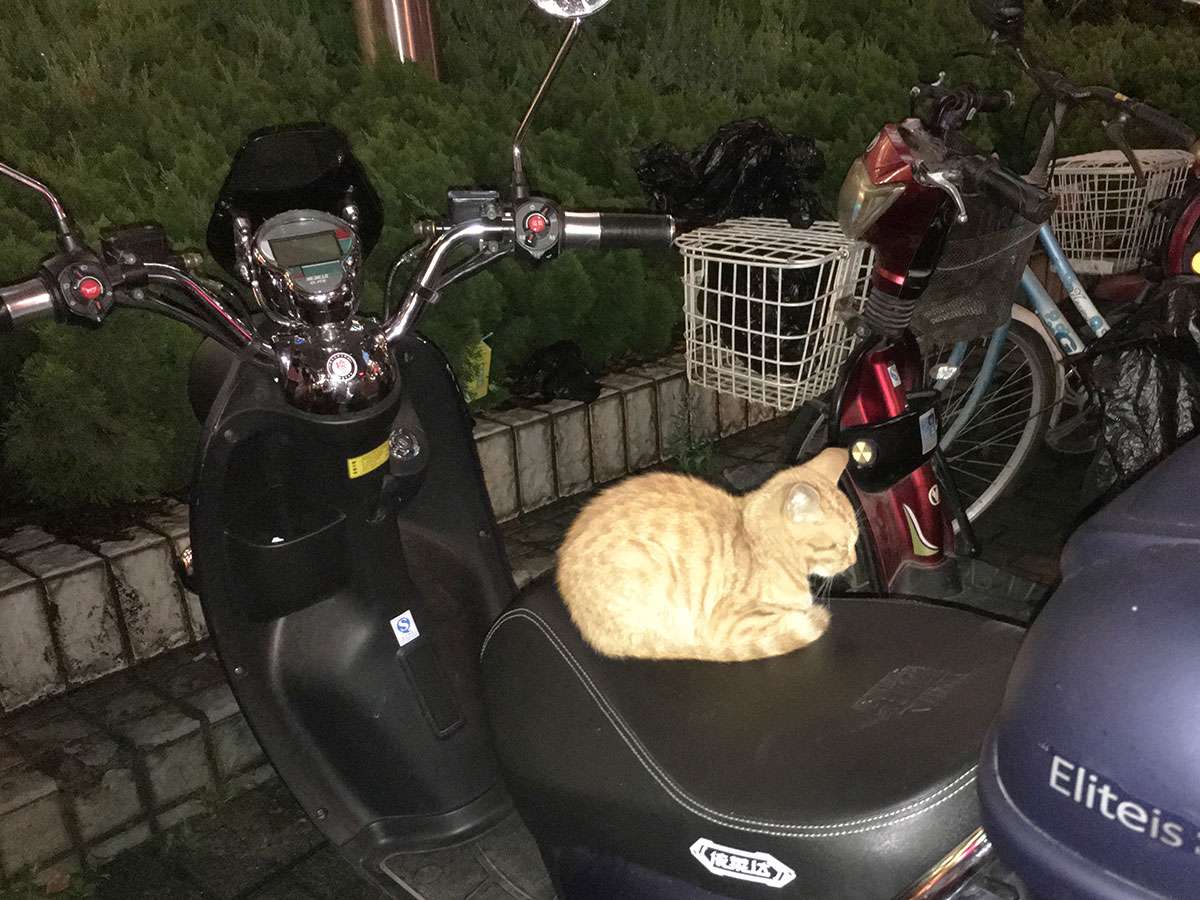
The Cat Boom in China's Cities

Over the past few decades, pet ownership in China has grown tremendously, especially among younger generations. Many people live alone, work long hours, and choose cats because they don't need daily walks, adapt well to apartment living, bring comfort and companionship, and are relatively independent.

As a result, China's major cities are now home to countless cat cafés, pet stores, cat hotels, and even home interior solutions designed specifically for cats.

Why Are There So Many “Community Cats” in China?

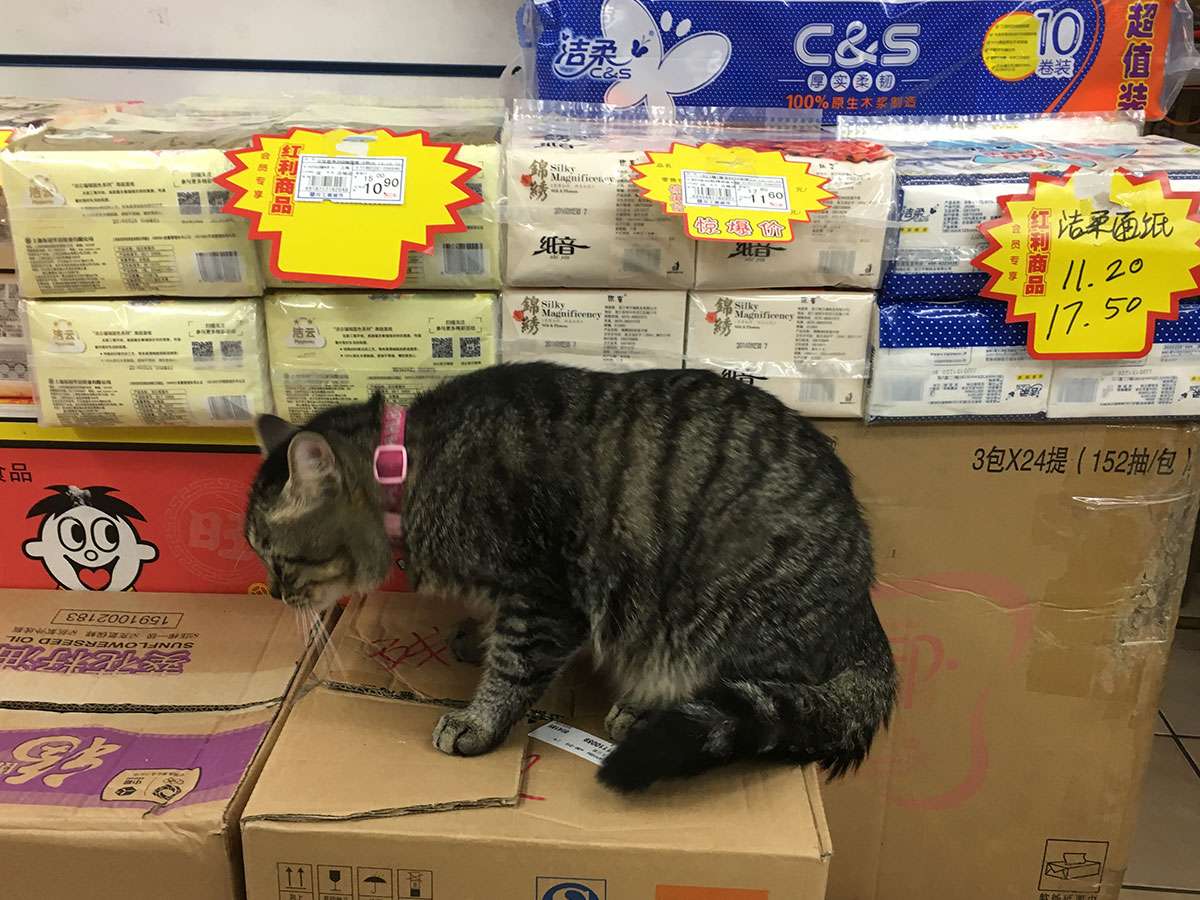
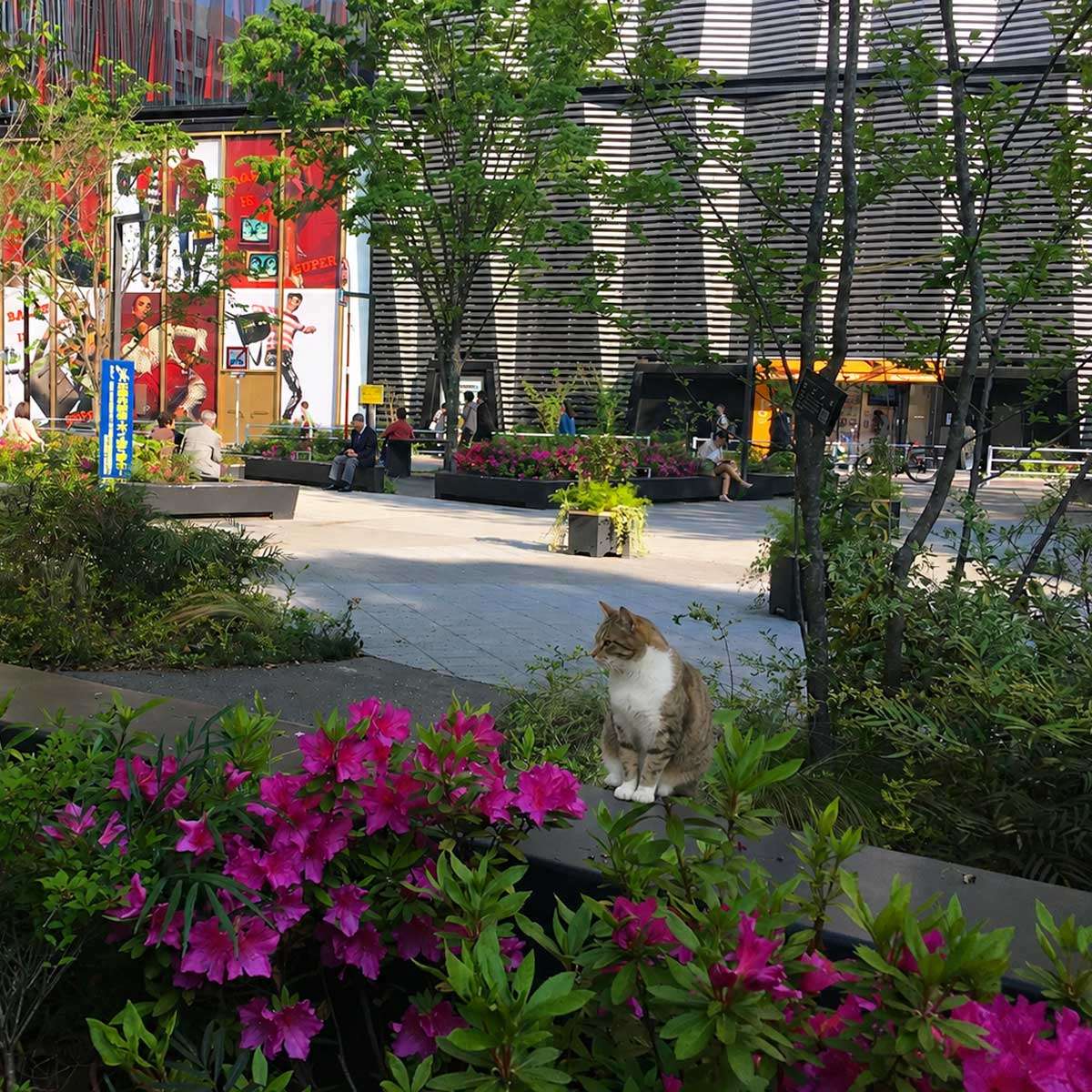
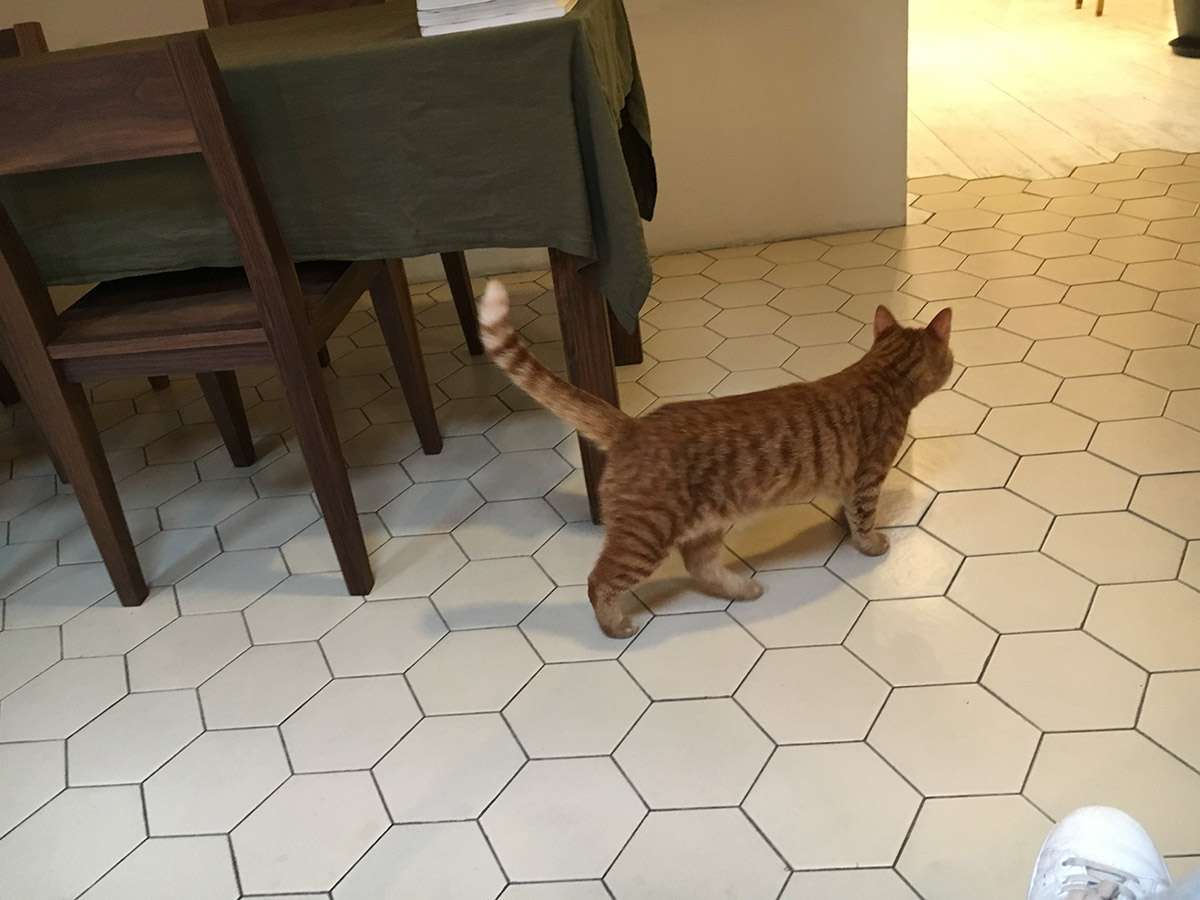
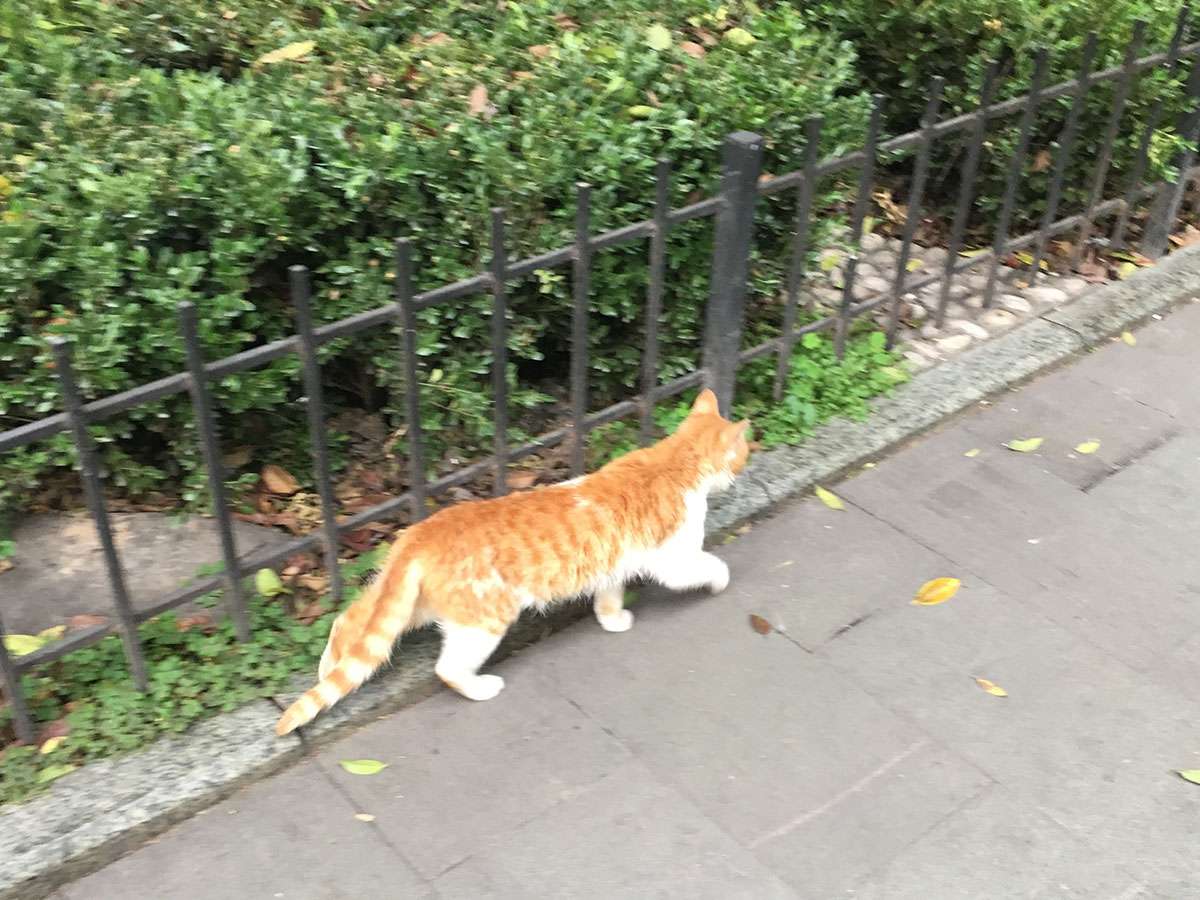
One of the most interesting aspects of life in China is the presence of so-called community cats. Around residential buildings, universities, and office complexes, it is common to see cats cared for not by a single owner but by the wider community.

People leave food and water for them, provide boxes or simple shelters during the winter, and collect money for spaying and neutering. As a result, a cat may appear to have no owner, when in reality an entire neighborhood is looking after it.
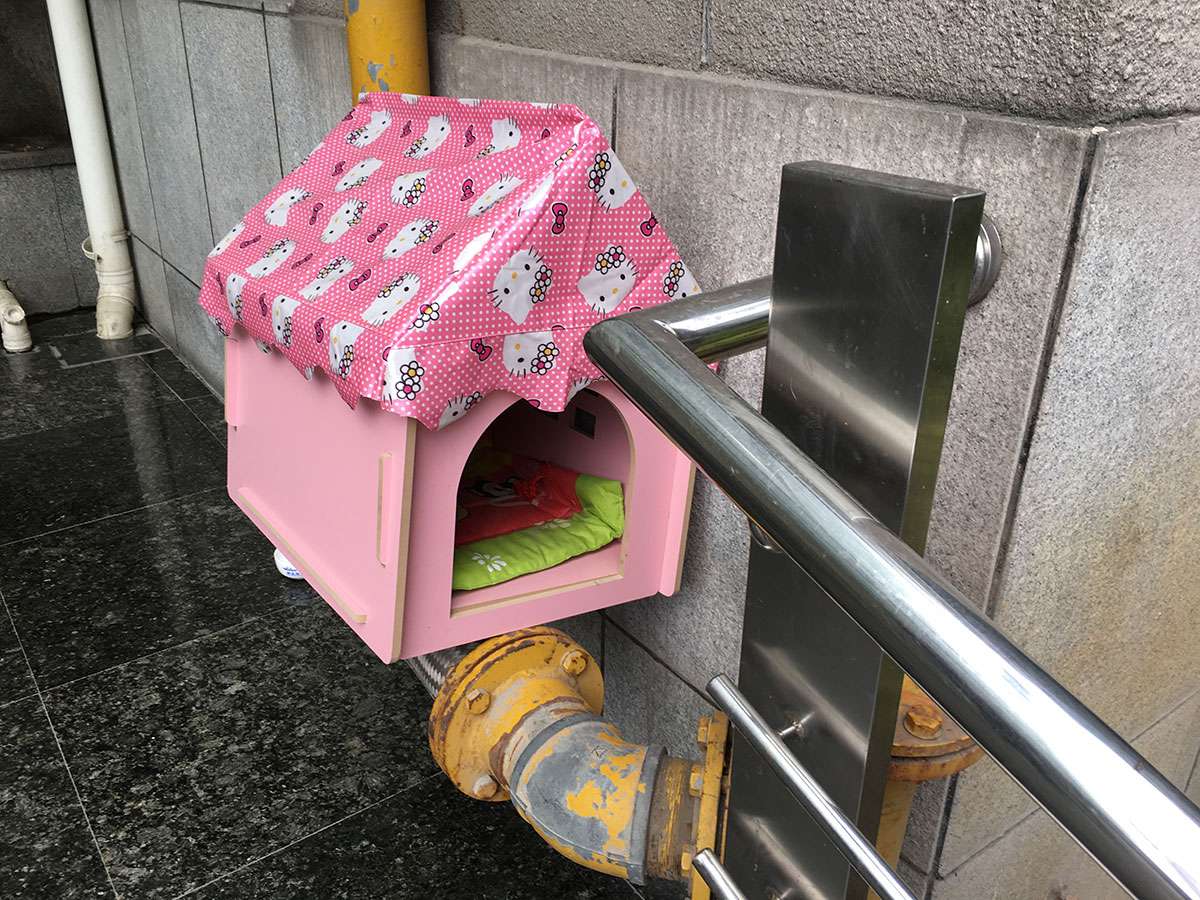
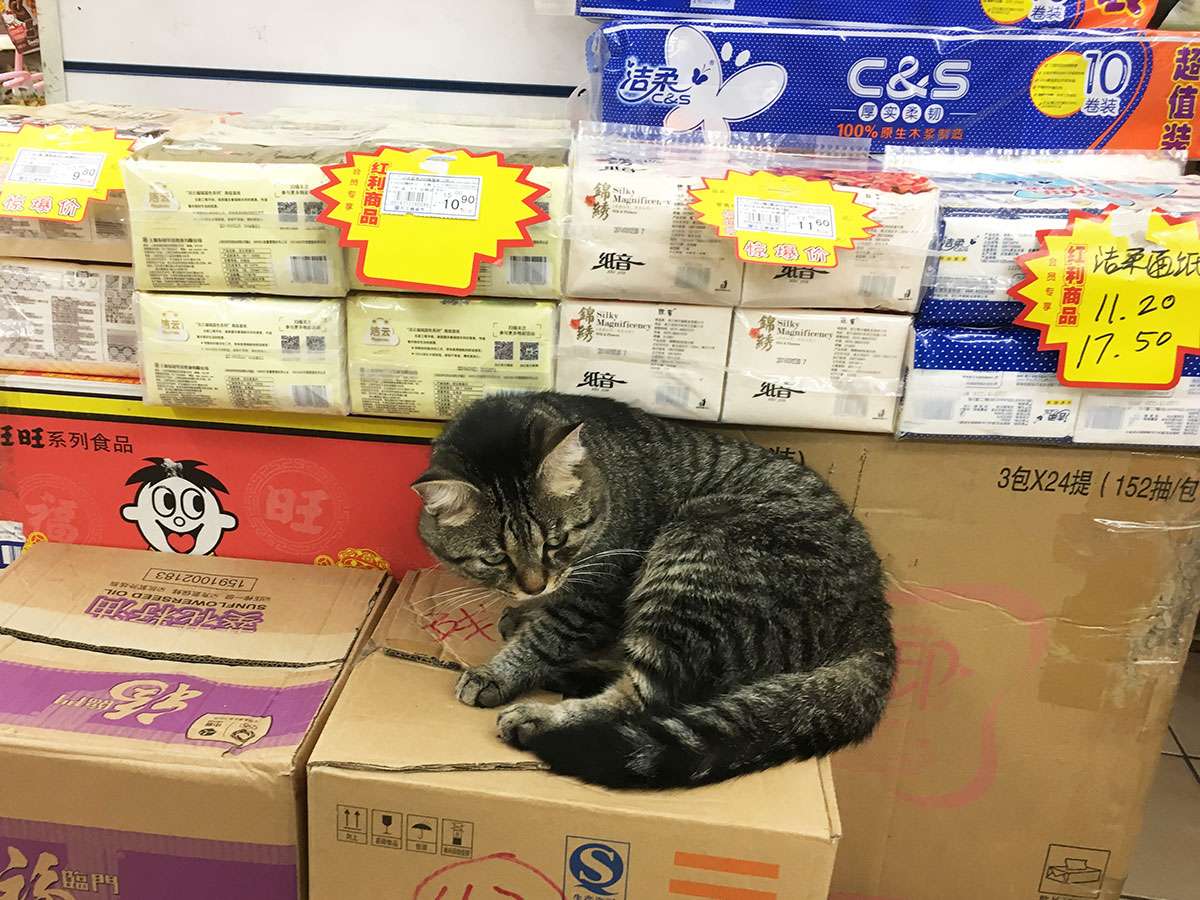
Cats in China Are Living Higher Than Ever

As more people live in apartment buildings, cats have adapted to an indoor lifestyle. Wall-mounted cat walkways, climbing towers, enclosed balconies, and cozy window perches with city views have become increasingly popular.

In China, people pay attention not only to their cats' comfort but also to creating stylish homes where both pets and interior design can coexist beautifully.

Why Are Cats Considered a Symbol of Good Fortune in China?

Although cats are more commonly associated with good luck in Japan, they also hold a special place in Chinese culture. In China, cats are often seen as symbols of peace, a cozy home, and positive energy. Cats that enjoy being close to people and help create a warm, relaxing atmosphere are especially appreciated, providing a sense of emotional balance in the fast pace of modern city life.


What Visitors Notice First

One of the first things visitors to China often notice is that the cats there are neither completely stray nor entirely owned. Instead, they seem to live between two worlds-close to people, yet remarkably independent.

Perhaps that is why cats blend so naturally into everyday city life in China. They are more than just pets. They become part of the city itself.
Attitudes Toward Cats Vary Across Different Parts of China

One of the most fascinating things about traveling through China is that attitudes toward cats can vary greatly depending on the city, region, and local way of life.

Big Cities: Cats as Family Members

In major cities such as Shanghai, Beijing, and Shenzhen, cats often enjoy a lifestyle very similar to that of pets in Europe or North America. Many people choose purebred cats, create indoor climbing spaces, buy designer cat furniture, and use pet hotels, grooming salons, and other specialized services.

Among younger generations, cats are increasingly seen not simply as animals, but as beloved members of the family.

University Campuses: Community Cats

One of the most unique aspects of life in China is the presence of university cats. Students and staff often care for the cats living on campus by feeding them, giving them names, organizing spay and neuter programs, and raising money for veterinary care. In some cases, a single cat even becomes an unofficial mascot of the entire university.

Smaller Cities and Rural Areas: A More Practical View

In smaller towns and rural areas, attitudes toward cats are often more practical. For generations, cats have been valued primarily for catching mice and protecting homes, living as independent outdoor animals around farms and courtyards. Because of this, it is still common to see more free-roaming cats in these areas than in China's largest cities.

Southern and Northern China: Different Lifestyles, Different Cats

In southern China, people tend to spend more time outdoors, so cats are more commonly seen in courtyards, parks, and shared community spaces.

In the north, where winters are much colder, more cats live indoors in apartments and other enclosed spaces. Even so, one trend has become increasingly clear across the country.

In today's China, cats are no longer seen simply as pets. They are increasingly regarded as cherished members of the family.
Do Cats Really Need Training? Where Does Training End and a Cat’s Natural Instinct Begin?

Do Cats Really Need Training? Where Does Training End and a Cat’s Natural Instinct Begin?

Be kategorijos

Almost every cat owner has wondered at least once: should you train your cat, or simply accept that you're sharing your home with a cat? Some people don't want their cats jumping on kitchen tables. Others worry about scratched furniture or damaged curtains. And many owners become frustrated by midnight zoomies or constant attempts to jump onto places that are considered "off-limits."

However, the more scientists and animal behavior specialists study cats, the clearer one thing becomes: cats can absolutely learn, but they learn in a very different way from dogs - or people.

Perhaps the most important thing is not figuring out how to make a cat obey, but understanding how to create an environment where your cat can thrive and everyone in the home can live together peacefully.

A Cat Is Not - and Never Will Be - a Small Dog

Many of us grew up hearing that cats need to be shown who's in charge. If they jump on the table, scratch something, or do something they're not supposed to do, they should be scolded, picked up, or even punished.

But cats simply don't see the world the same way we do. A cat rarely does something out of spite or to annoy its owner. It doesn't think, "I know I'm not supposed to do this, but I'll do it anyway."

Most of the time, a cat behaves this way because the place is interesting, safe, warm, higher up, offers a better view of the surroundings, or simply because that's where its favorite person is.

Cats also don't connect punishment with their actions in the way many people imagine. If you come home, discover that your curtains have been scratched, and become angry, your cat is unlikely to understand why. Instead, it may simply think that its human has suddenly started behaving strangely.

That is why modern approaches to cat training focus less on punishment and much more on understanding your cat's natural behavior.

Can Cats Really Be Trained?

The short answer is yes.

But probably not in the way most people imagine. Cats are excellent learners. They can adapt to household rules, develop daily routines, recognize words, understand boundaries, and even learn a variety of commands.

The key difference is that cats respond much better to encouragement than to punishment.

For example, if you don't want your cat jumping onto the kitchen table, it is often far more effective to provide an even more attractive alternative nearby than to keep lifting your cat off the table every time. Cats naturally choose what works best for them. If the kitchen table offers the best view of the entire room and there is no better option, your cat will almost certainly keep coming back.

But if you install a tall cat shelf or a perch by the window, you'll often find that after a few weeks, the table simply isn't as interesting anymore.

Should You Let Cats Jump on Tables?

There is no single right answer. Some families allow it, while others have a strict "no cats on the table" rule. Interestingly, the idea that it is somehow "bad" for a cat to be on a table is usually not about the cat's well-being.

More often, it comes down to our own preferences-hygiene, household routines, and the way we want our homes to be. If you've decided that the kitchen table is off-limits, that's perfectly reasonable.

But it's also worth asking yourself another question: where is your cat allowed to climb?

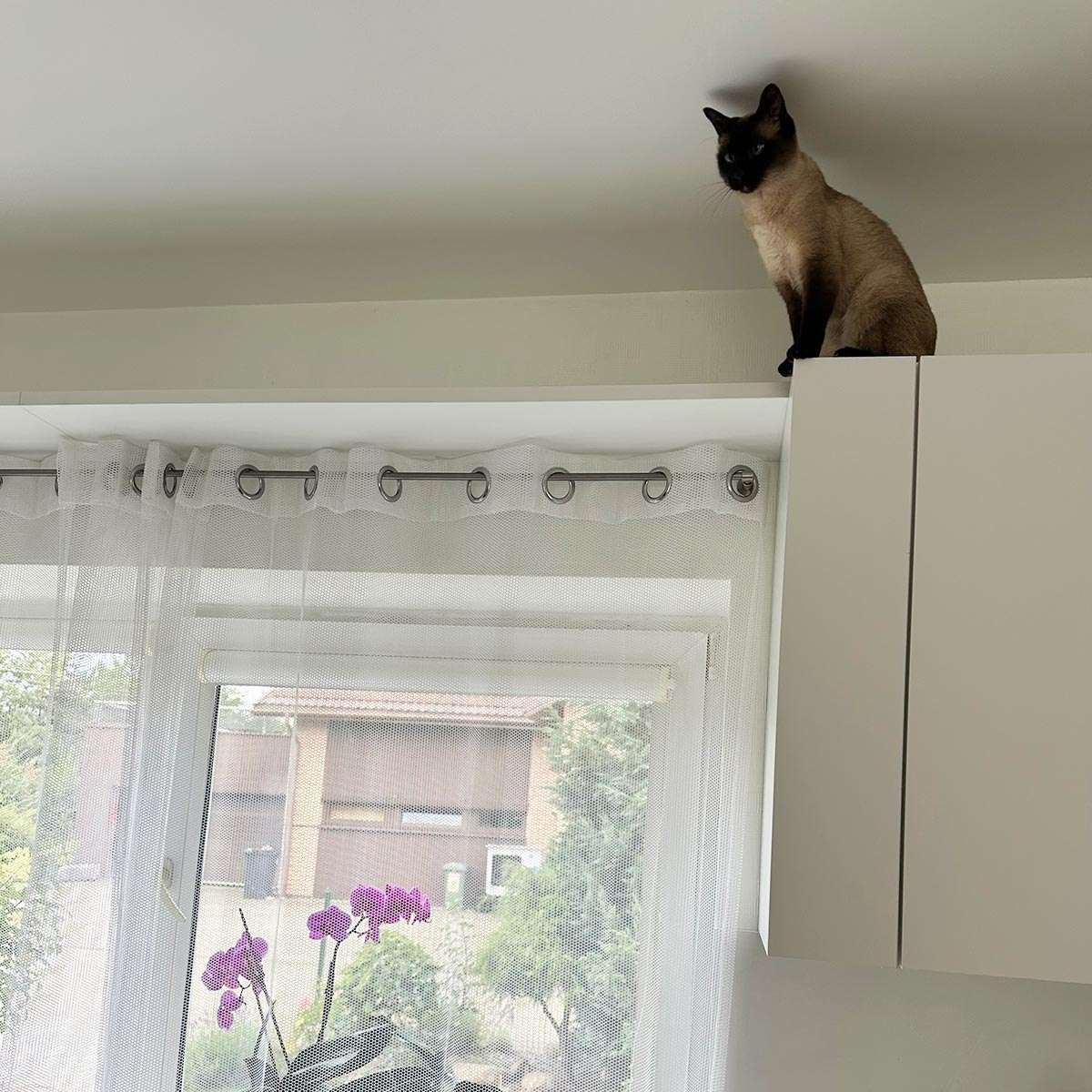
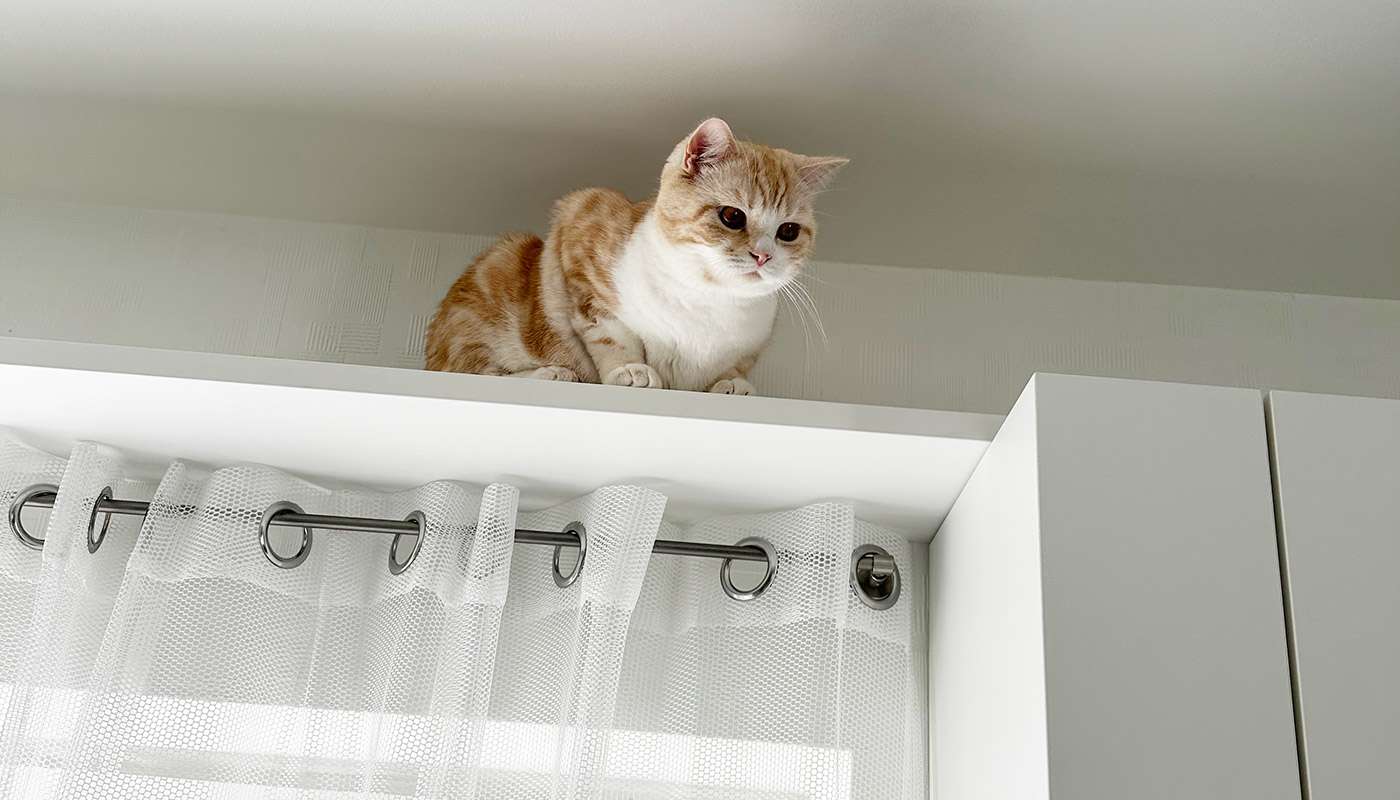
Cats naturally love to observe their surroundings from above. In the wild, height means safety, a better view, and a place to relax without being disturbed. That is why many cats aren't actually interested in the table itself-they're simply looking for the highest and most comfortable spot in the room. If you provide a tall cat tree, a sturdy shelf, or a window perch, your cat may happily choose that instead.

What About Scratching Furniture?

If we were to make a list of the most common disagreements between cats and their owners, scratching furniture would probably be near the top. In most cases, cats don't avoid scratching furniture because they have been well trained. The truth is that scratching is completely natural feline behavior.

When a cat scratches, it is doing much more than simply sharpening its claws. It is also leaving its scent, marking its territory, stretching its muscles, and releasing built-up energy. The real problem is often not that the cat scratches—but that it has chosen a place we would rather it didn't. If your home doesn't have a comfortable scratching post, or if it's too short, unstable, or placed in a corner where your cat rarely spends time, don't be surprised if the sofa becomes the more attractive option.

Cats rarely choose furniture because it's expensive. More often, they choose the piece that stands in a central location, is close to their people, and gives them plenty of room to stretch. That is why the solution is often not to fight the behavior, but to offer a better alternative.

And perhaps this is one of the most important things to remember: not everything your cat does needs to be corrected. Sometimes it's much easier-and much kinder-to adapt your home to your cat instead of expecting your cat to adapt to a perfect home.

What About Curtains?

This is probably one of the most sensitive topics for cat owners.

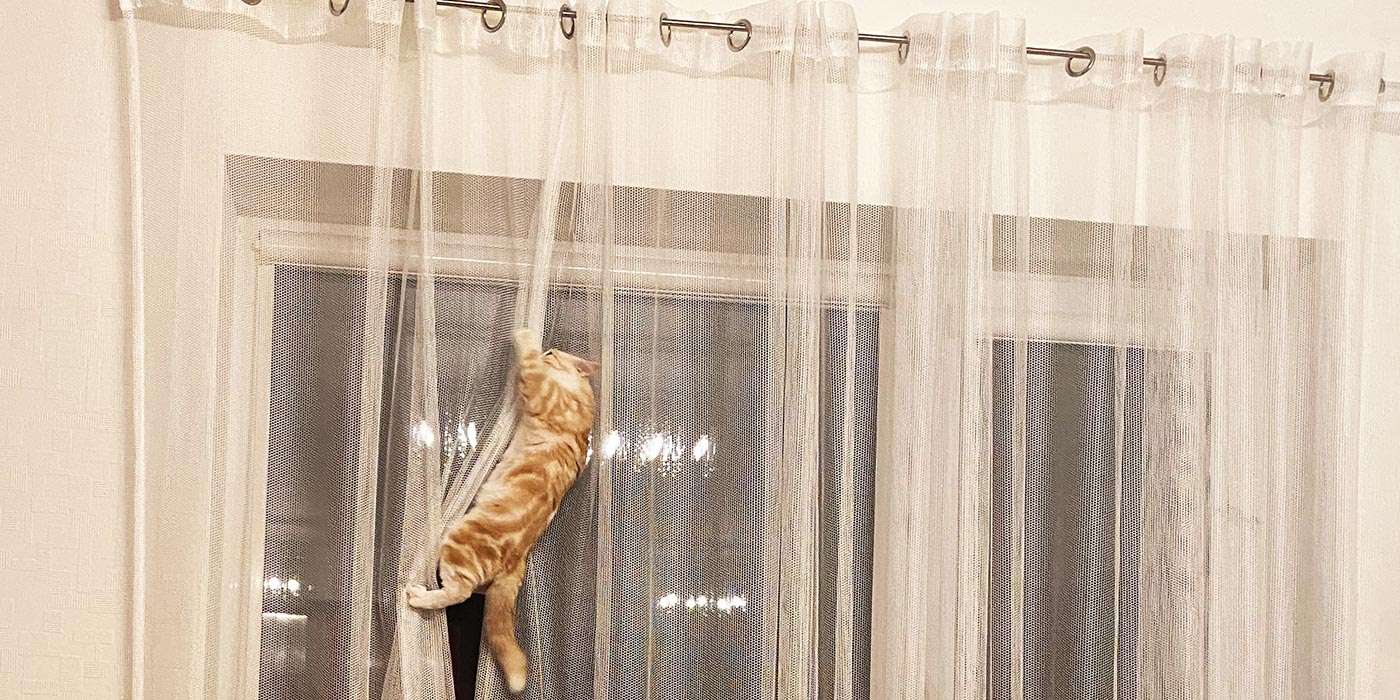
Some people proudly say, "My cat has never climbed the curtains." Others still remember the very first week after hanging a brand-new set. The truth is that cats usually don't climb curtains because they want to destroy them.

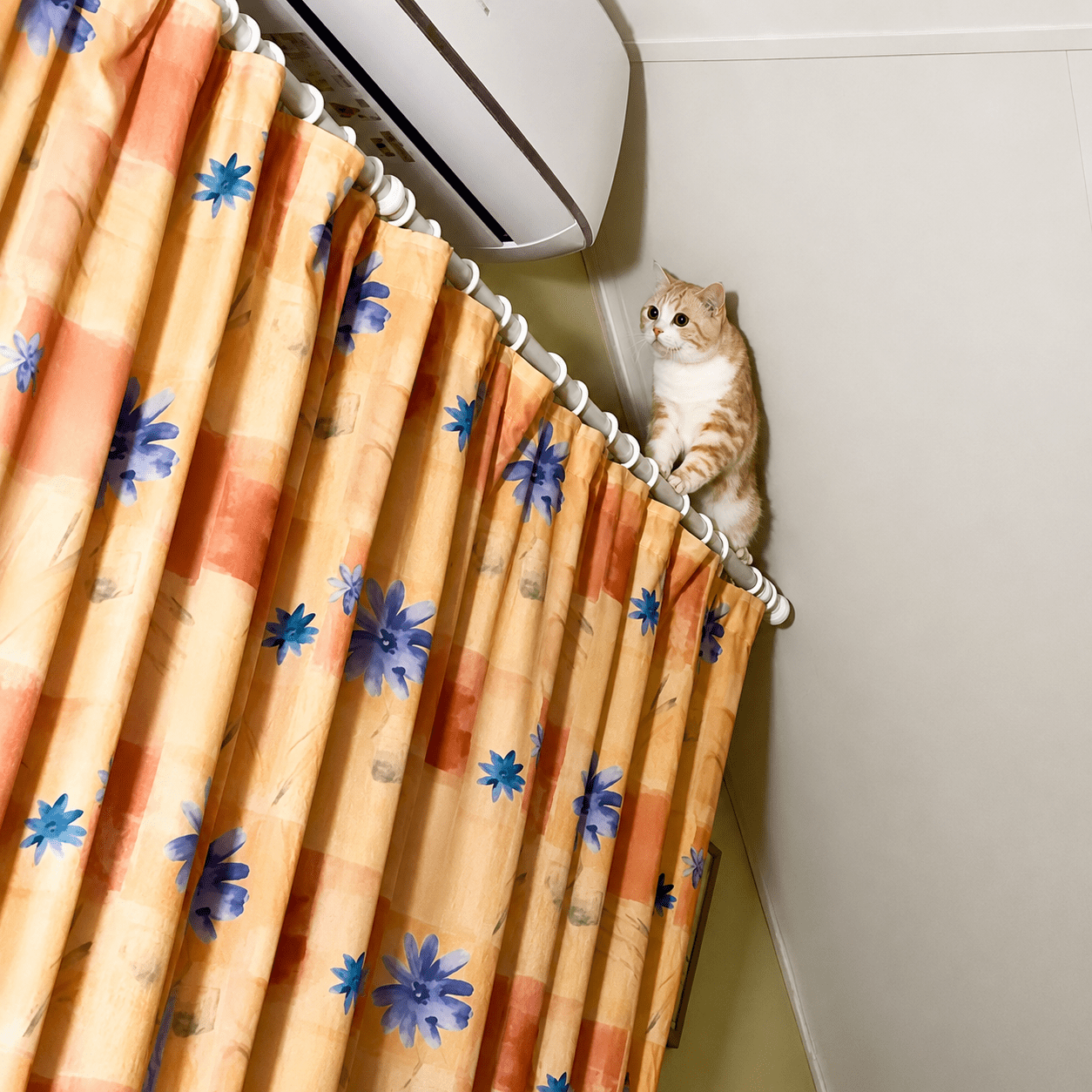
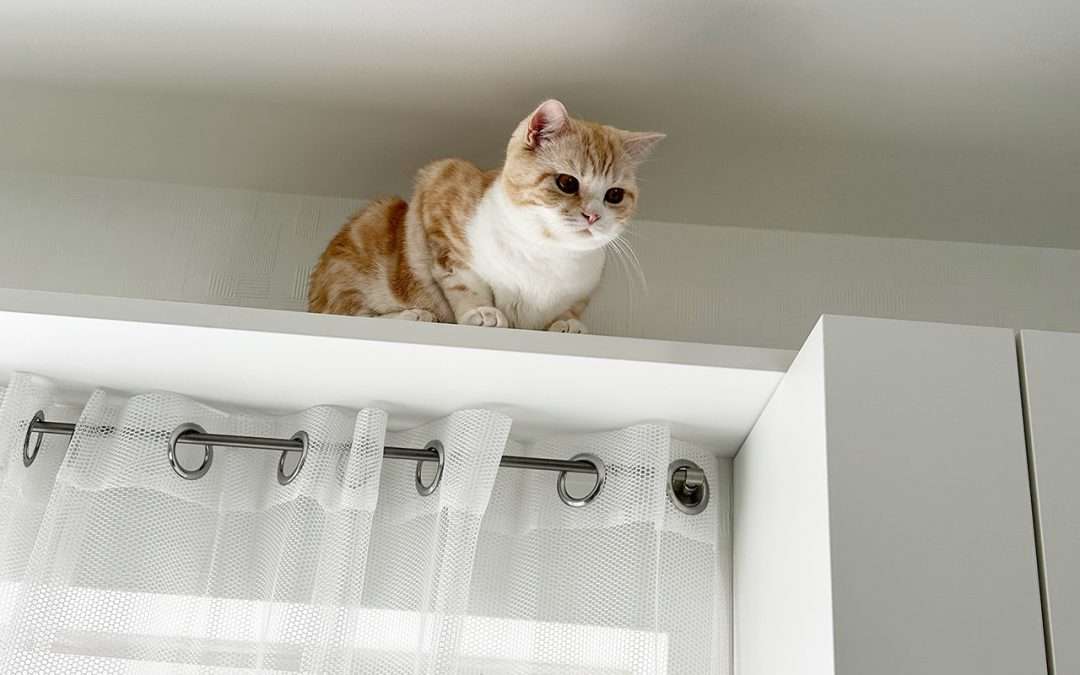
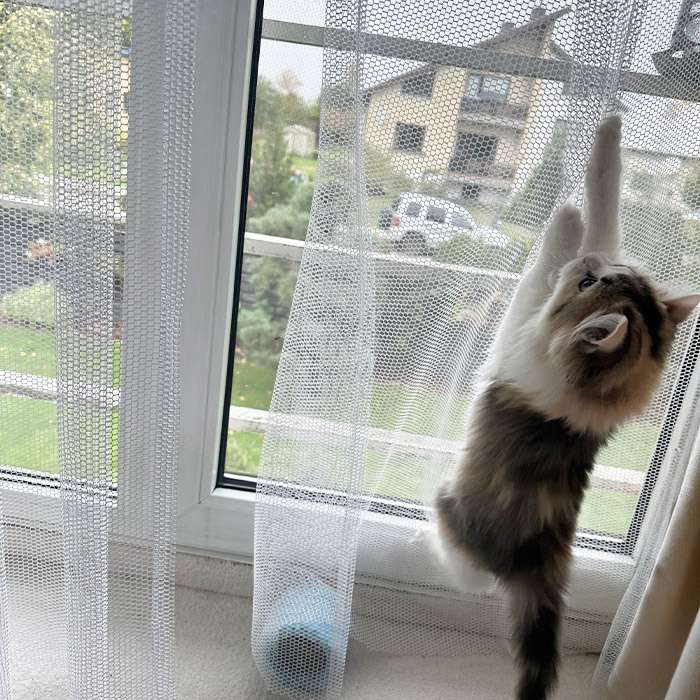
They are attracted by the height, the movement of the fabric, the opportunity to hide, the view from the window, and the satisfying feeling of digging their claws into the material. This behavior is especially common in young, energetic cats or those that spend many hours home alone. When this happens, many owners immediately wonder whether they should be stricter with their cat.

But perhaps the better question is not "How do I stop my cat?" but "How can I offer a better alternative?" Once a cat has a tall scratching tree, a window perch, climbing shelves, or simply more opportunities for play and exercise, curtains often become much less interesting.

Of course, some cats will still choose the curtains from time to time. After all, they're cats.

Can Strict Training Harm Your Cat?

This is often an uncomfortable question because most of us have lost our patience with a cat at least once. We've raised our voices, scolded them, or become frustrated-and that's only h uman.However, constantly frightening a cat, spraying it with water, or relying on harsh punishment usually does more harm than good.

Instead of learning the lesson we hope for, a cat may begin to avoid people, hide more often, become anxious, behave unusually, or even start urinating outside the litter box. For cats, feeling safe is one of the most important parts of living happily in a home. And perhaps the best-trained cats are not the ones that are the most afraid.

They are the ones that clearly understand what is expected of them, have their own safe spaces, and feel comfortable and secure in their home.

In Japan, Cats Are Not Just Pets – They Have Become Part of the Culture. Cats Around the World

In Japan, Cats Are Not Just Pets – They Have Become Part of the Culture. Cats Around the World

Be kategorijos

In Japan, cats appear in the most unexpected places. On shop shelves, beside the doors of old houses, on train station signs, in temples, in souvenir stores, or simply sleeping peacefully in the sun.

At first, it seems like Japanese people simply love cats. But after spending more time there, you begin to realize that the relationship is slightly different. In Japan, a cat is not just an animal living in a home. It has become a symbol of calmness, harmony, cozy living, and even the ability to slow down.

A Long History Between People and Cats

Cats have lived in Japan for more than a thousand years. It is believed that the first cats arrived from China through trade routes together with Buddhist manuscripts. At first, their role was quite practical - simply protecting food supplies from rodents. But over time, people’s attitudes began to change.

Japanese culture has long valued modesty, quiet companionship, and respect for personal space. Perhaps that is why cats naturally became not only pets but also a symbol of a certain way of living.

Unlike dogs, which are often associated with energy and social interaction, cats in Japan are often seen as animals that remind people that life does not always require action - sometimes simply being is enough.

Why There Are So Many Cat Symbols in Japan

Even people who have never visited Japan have probably seen the small cat figurine with one raised paw.Maneki-neko is considered a s ymbol that invites good luck. Interestingly, Japanese people often do not think of luck as a sudden success.

Instead, luck is more closely connected with: good relationships, harmony, stability, peaceful homes.

That is why cats became a gentle reminder that not everything in life has to happen quickly. For this reason, cat imagery is everywhere in Japan. These symbols do not simply decorate spaces - they create an atmosphere.

Cat Cafés

Japan is one of the most densely populated countries in the world. In large cities, people often live in small apartments, work long hours, and spend much of their day surrounded by others. That is how a very Japanese phenomenon appeared - cat cafés. But their purpose is not exactly what tourists often imagine. People do not come there to play. They come to simply be. To drink tea. To rest. To sit quietly and do nothing for a while.

And perhaps that is why people in Japan so often say that cats teach humans how to live more slowly.

Attitudes Toward Cats Differ Across Regions of Japan

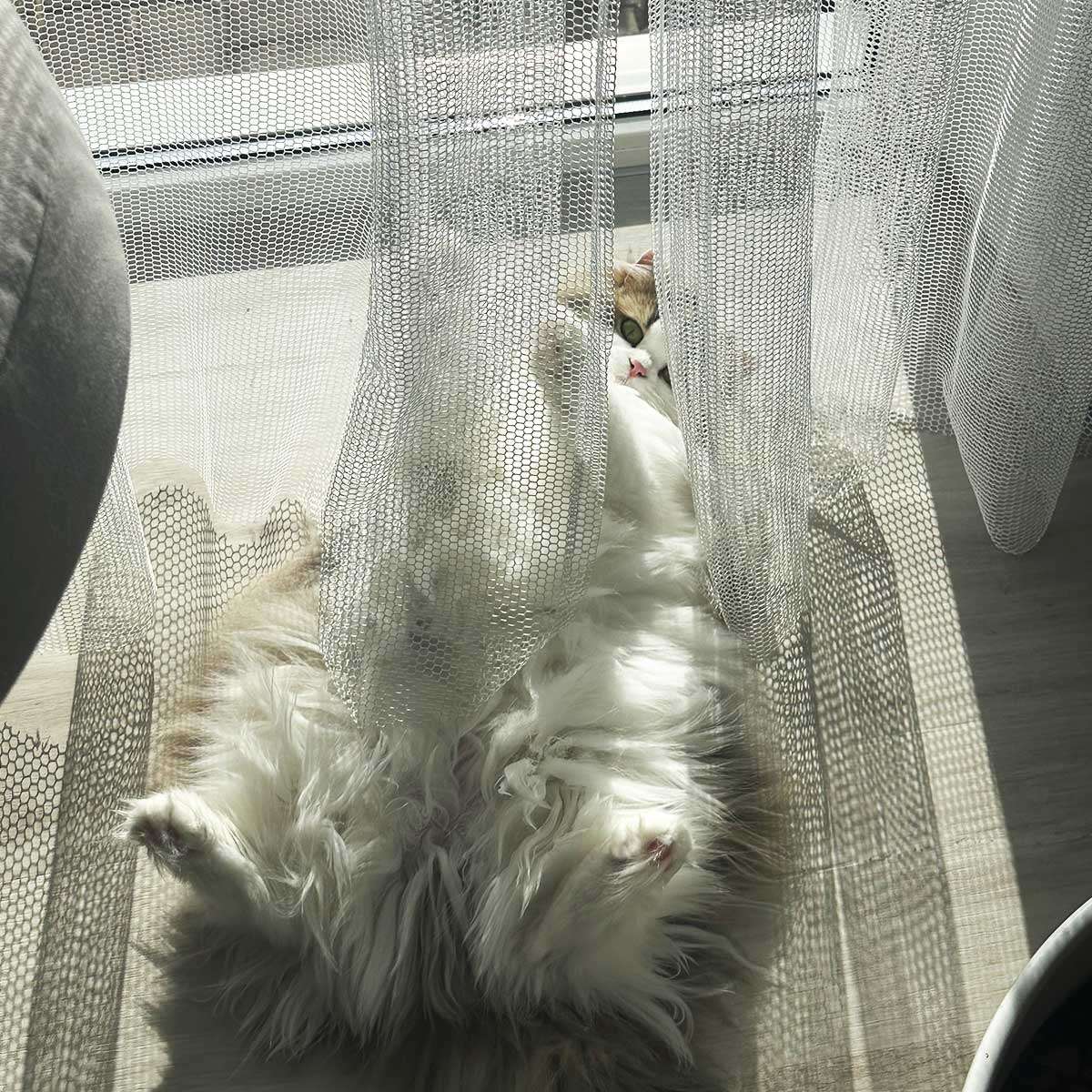
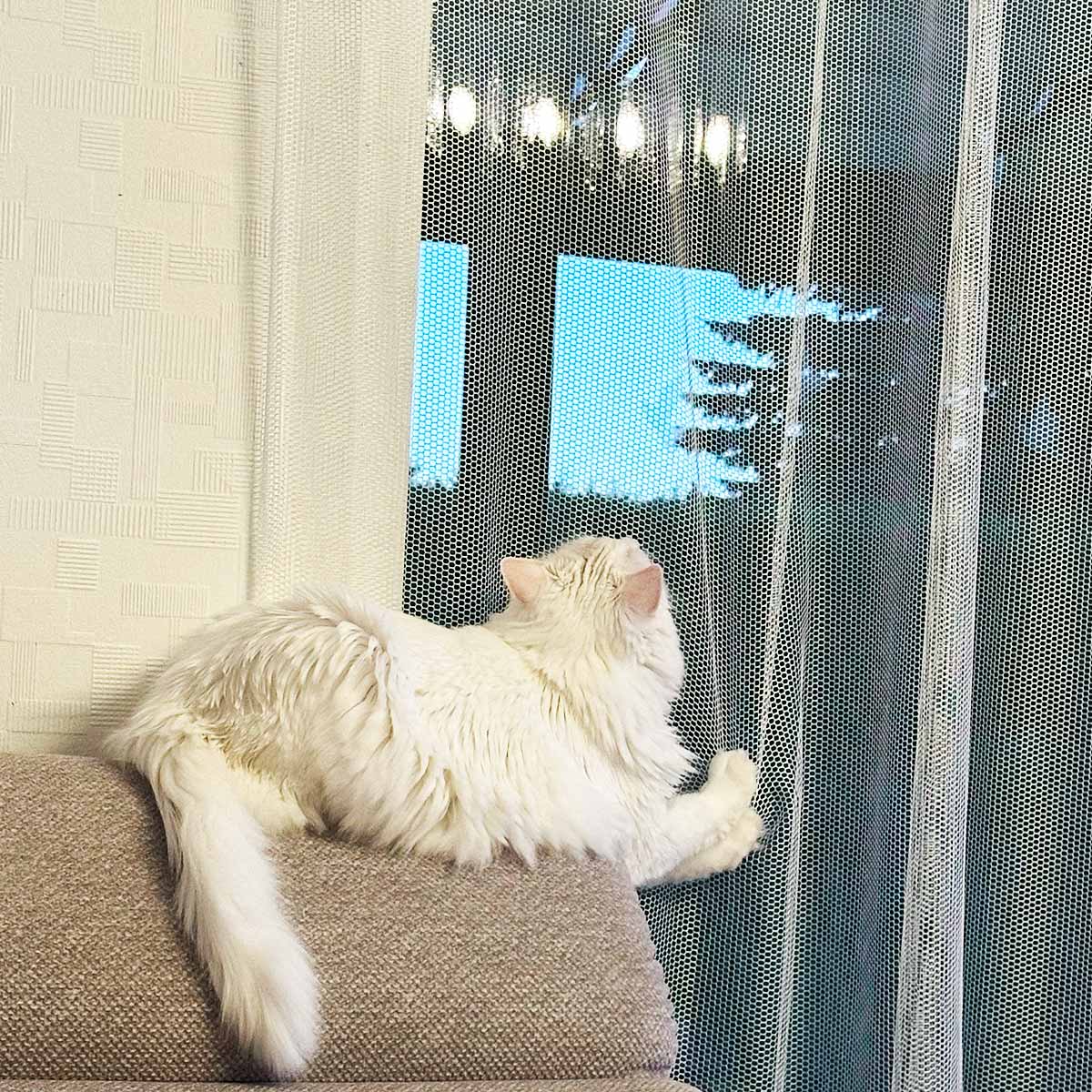
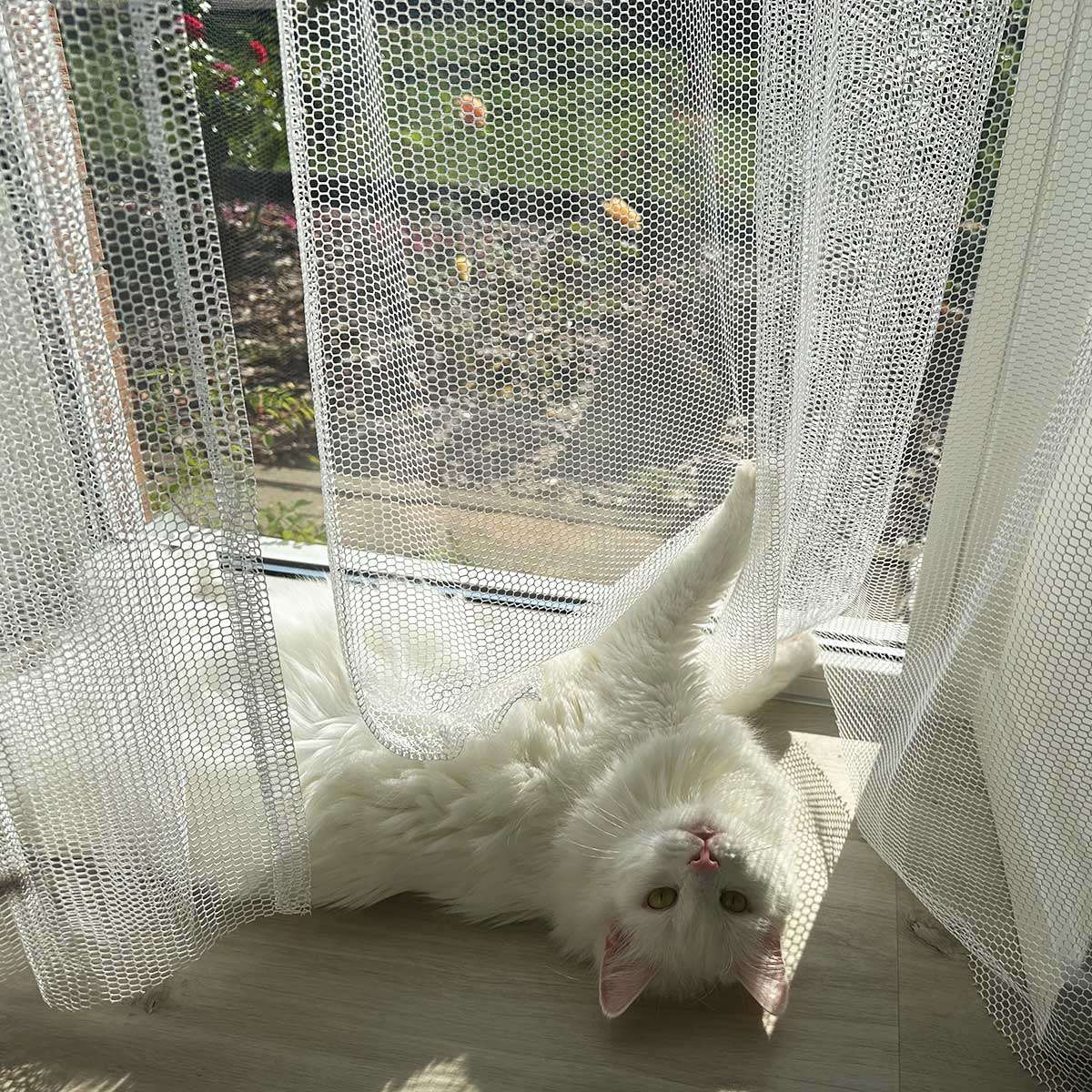
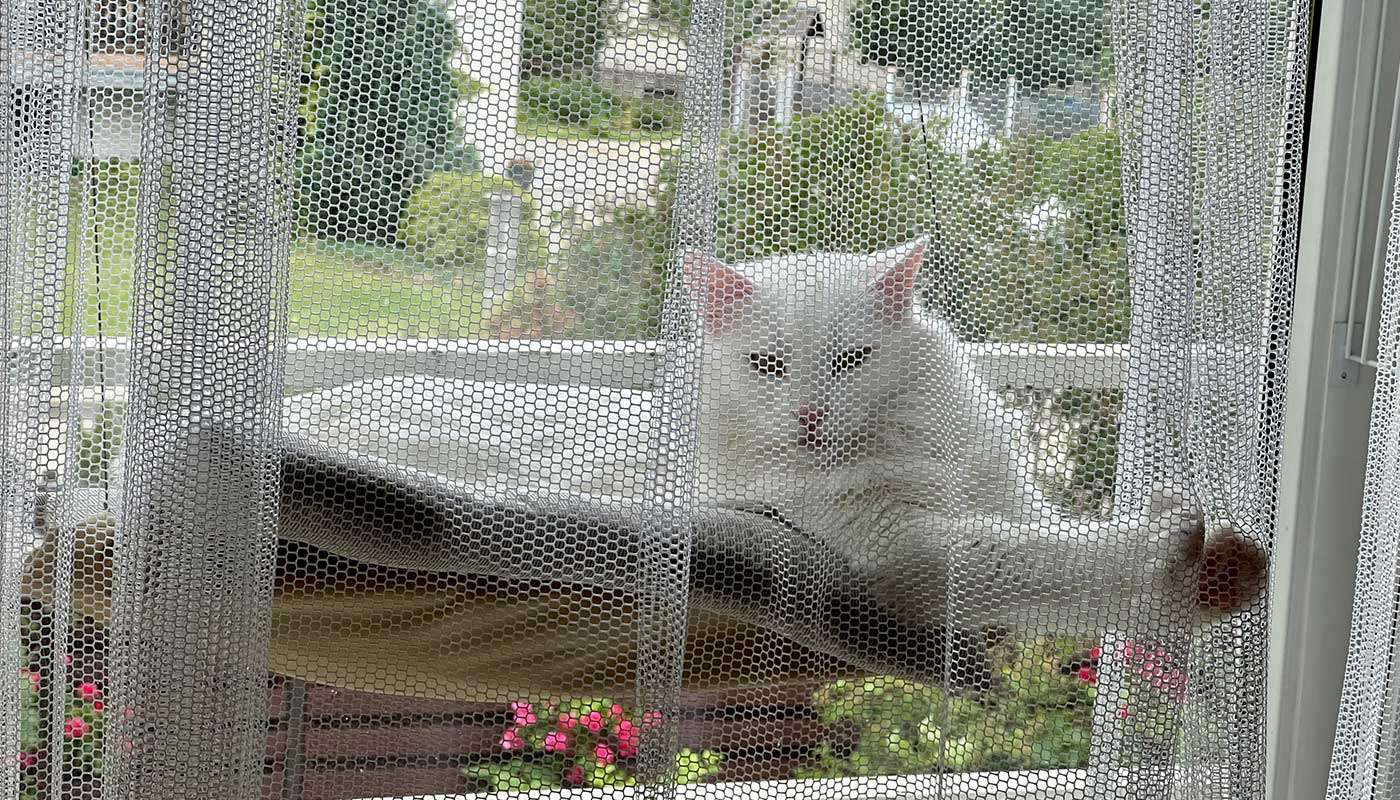
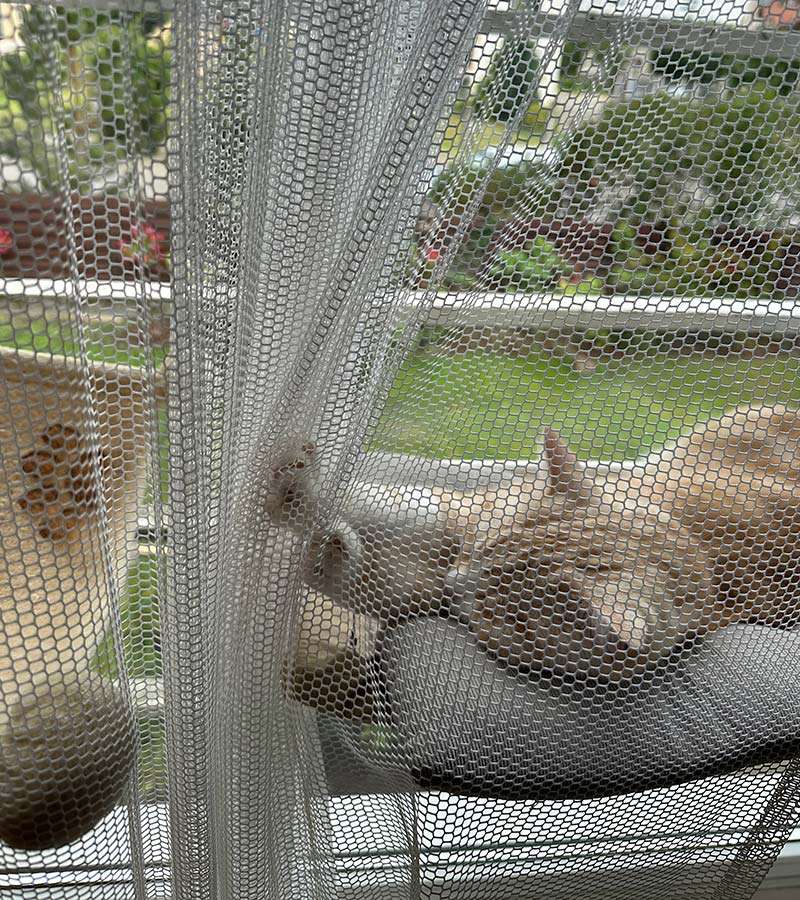
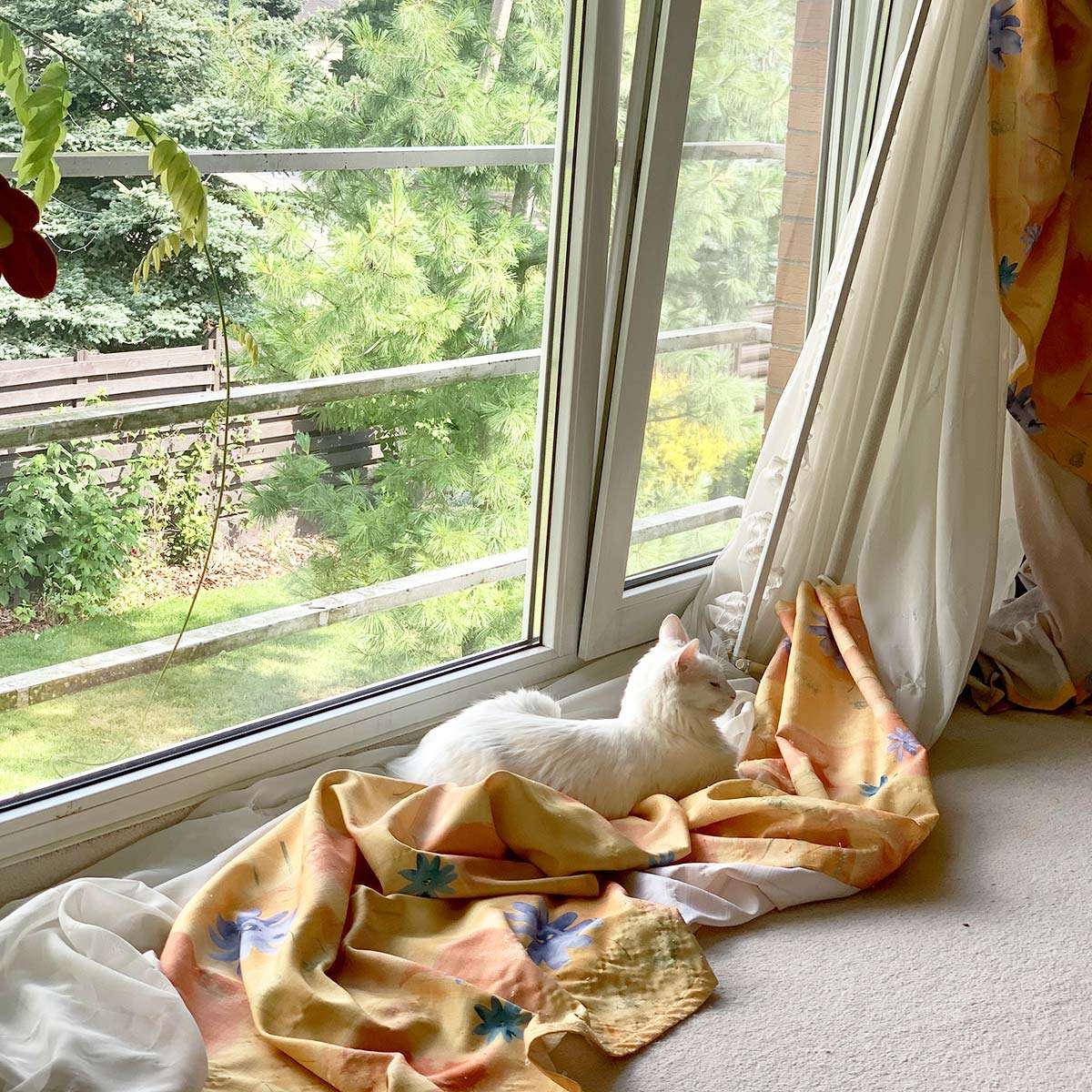
In major cities such as Tokyo or Osaka, cats usually live entirely indoors. People often create carefully designed spaces for them - climbing shelves, cozy resting corners, and dedicated places to observe the world. In Japan, it is also quite popular for cats to have their own place by the window: a shelf, a windowsill, or even a hammock near the curtains.

Japanese people enjoy sheer curtains - not only for beauty and coziness but also for privacy. Japanese cities are dense and homes are often close together, so sheer curtains are commonly kept closed throughout the day.

In smaller towns and on islands, cat life often appears much freer. People know the local cats, leave water outside, and greet them while passing by. Sometimes it feels as if the cats belong not to one household, but to the entire neighborhood.

The Island Where Cats Outnumber People

If Japan already seems full of cats, there is one place that fascinates even people who are not cat lovers. Aoshima is often called one of the world’s most famous cat islands. Only a small number of residents live on this island, yet cats outnumber people many times over.

The most interesting part is that it did not happen intentionally. Years ago, locals kept cats to control mice and protect fishing nets and food supplies. As the human population declined and the cats continued living and reproducing, a truly unusual community formed over time.

Today, people visit from around the world not for entertainment, but simply to walk and experience the unique atmosphere — one where it almost feels as though the island belongs to the cats rather than to humans. But Japanese people often emphasize an important point: places like this are not zoos.

Respect for animals, calm behavior, and allowing cats to live at their own pace remain very important.

What Cats Are Most Common in Japanese Homes

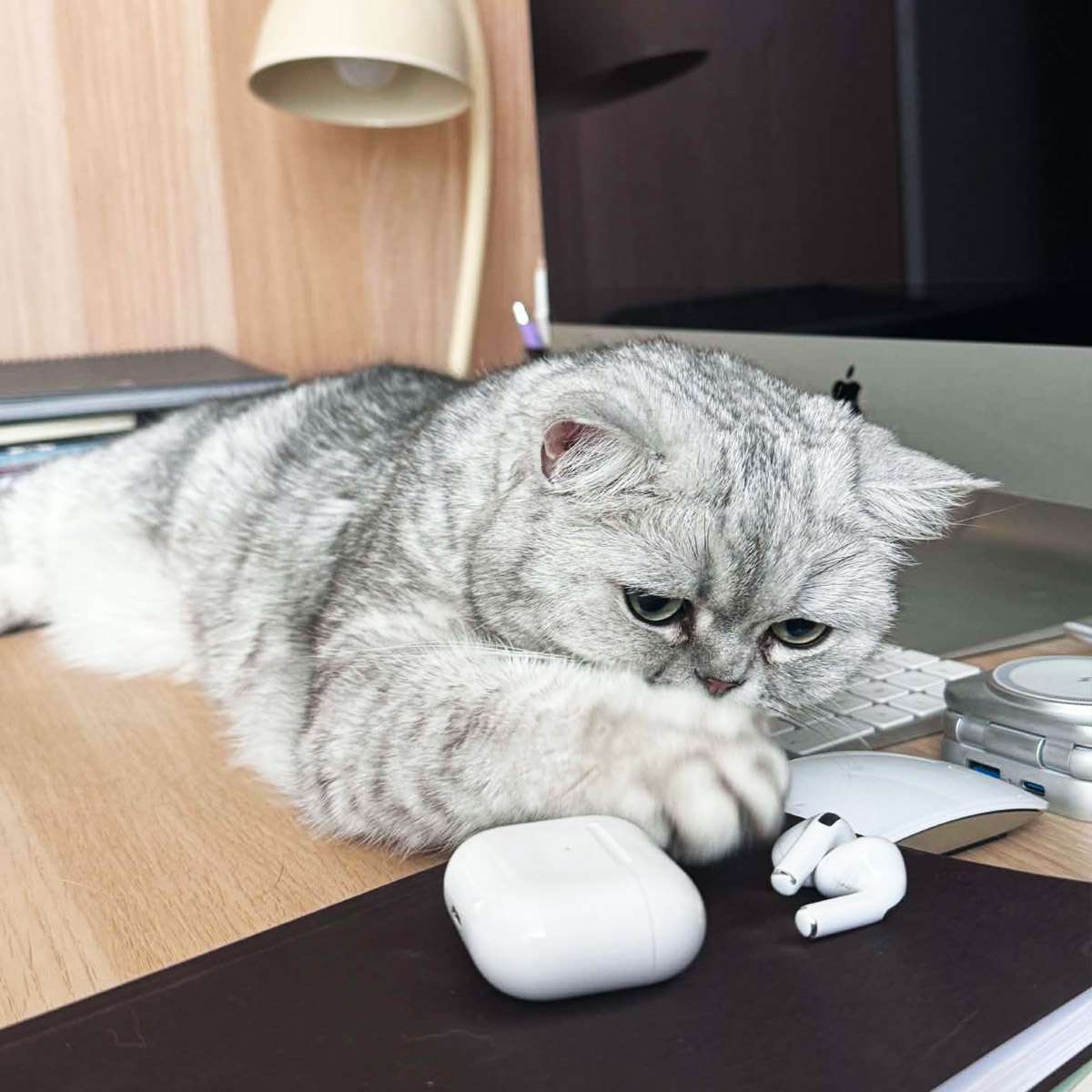
Although many people expect to hear about some exotic Japanese breed, the most common cat in Japanese homes remains the simple local domestic short-haired cat. However, among pedigree breeds, one of Japan’s favorites is the Scottish Fold.

Other popular breeds include:

Munchkin - loved for their short legs and playful personality,
American Shorthair - appreciated for easy care and balanced temperament,
Ragdoll - known for their calm nature and exceptionally gentle behavior.

Japanese people often prefer calmer cats rather than highly energetic ones.

What You Probably Will Not See in Japan

You will rarely see loud, disrespectful, or rough treatment of animals in Japan. Cats are not chased away and are rarely touched unnecessarily. People seem to accept their rules.

Perhaps that is why, while traveling through Japan, a strange feeling sometimes appears - it feels as if cats live exactly the way they want to. And people respect that. In Japan, cats have become more than pets. They became a small reminder that not everything in life needs to be controlled.

And although we do not live in Japan, we love the idea that life with cats can be calmer, kinder, and built around understanding rather than punishment.

That is exactly why cat-friendly curtains were created - so owners could stay calm like the Japanese and smile while saying:

“Fluffy tails - up!”

You Rarely See Cats on the Streets in Australia. Cats Around the World

You Rarely See Cats on the Streets in Australia. Cats Around the World

Be kategorijos

When you first arrive in Australia, one detail feels very unusual to many cat lovers. The cities are full of birds, parks, and small animals, yet you hardly see any stray cats. Even in residential neighborhoods, cats rarely roam outdoors the way we are used to seeing in Lithuania or across Europe.

At first, many travelers do not even think about why this is. But Australia’s history with cats is very unusual - and also quite complicated.

How Cats Arrived in Australia

Cats are not native to Australia. They arrived on the continent with Europeans in the late 18th century. Cats were kept on ships to catch mice and rats, and later they also became household pets.

However, Australia developed in isolation from the rest of the world for thousands of years. Because of this, it became home to a very unique and fragile ecosystem unlike almost anywhere else on Earth. Many small birds, reptiles, and mammals evolved with very few natural predators.

When cats appeared on the continent, the situation changed very quickly.

Why Cats Are Considered a Major Problem in Australia

Today, feral cats in Australia are considered one of the country’s most dangerous invasive animals. They do not hunt because they are starving, but because hunting is part of their natural instinct. Even a well-fed cat can catch several birds or lizards in a single day.

Scientists estimate that cats kill millions of native animals in Australia every day. Because of this, some species have already disappeared completely, while others are now close to extinction.

That is why the Australian attitude toward free-roaming cats is very different from what people are used to in Europe.

Strict Rules That Surprise Tourists

In many parts of Australia, cats must be registered, microchipped, sterilized, and kept indoors or inside specially enclosed outdoor areas.

In some cities, there are rules stating that:

  • cats are not allowed to roam outside at night,
  • cats may not be allowed to roam freely at all,
  • people can receive fines for feeding stray cats,
  • certain natural areas are protected from cats with special fencing.

There are even special “cat curfew” hours - almost like a curfew for cats.

To many Europeans, these rules may seem very strict. However, for Australians, protecting native wildlife found nowhere else in the world is the top priority.

Australians Love Cats - They Just Raise Them Differently

The most interesting part is that Australians truly do love cats. Cats are among the most popular pets in the country. The difference is simply in the way they are kept.

Many cats in Australia live entirely indoors. People often create:

  • special climbing walls,
  • enclosed backyards,
  • protected balconies,
  • “catio”-style outdoor terraces,
  • window watching areas for cats.

Creating a safe indoor environment for cats is extremely popular in Australia, allowing them to climb, observe, and burn off energy without going outside.

Perhaps that is also why so much attention is given there to practical home solutions. When a cat spends most of its life indoors, people quickly realize which furniture, fabrics, and curtains are truly suitable for living with pets.

During their travels in Australia, many people notice another surprising thing - in the evenings, you can hear an incredible number of birds. The cities are full of life, birdsong, and small animals.

Locals often say that strict cat control has helped protect part of this wildlife.

That is why cats are not considered “bad” animals in Australia. People there simply understand very clearly how much impact even a single free-roaming hunting pet can have on nature.

Many tourists from Europe or Lithuania only truly realize this after visiting Australia themselves. At first, it feels strange not to see cats wandering around neighborhoods and backyards. But later, you begin to understand that this is not a coincidence, but a very conscious national choice.

And perhaps that is exactly why Australia places so much emphasis on responsible pet ownership, cat-friendly homes, and living in a way that is safe both for pets and for the surrounding wildlife.

My kitten is scratching the curtains – will it stop?

My kitten is scratching the curtains – will it stop?

Be kategorijos

A tiny fluffy ball of fur at home brings joy - but also a real challenge for your curtains.

Many new cat owners ask: “Will this pass on its own? Will my cat grow up and stop climbing the curtains?”
The answer isn’t that simple. Some cats settle down with age, while others remain curious, jumpy, and... always eager to test their claws on fabric.

Why do cats love curtains so much?

Cats aren’t “bad” — they’re simply following their instincts.

The urge to climb. In the wild, cats hunt, observe prey from above, and escape danger by climbing trees. Even domestic kittens inherit this need. A curtain is like a “soft tree” — easy to grip and even swing on.

Movement attracts them. A hanging, gently swaying curtain looks like prey in a cat’s eyes — especially when sunlight casts shadows or a breeze makes it flutter. Cats love to stalk and “hunt” moving objects.

Boredom and excess energy. Without enough stimulation — toys, attention, climbing spots — curtains become the cat’s version of “going outside.” Climbing, jumping, and hunting are how they burn off energy.

Stress or change. Sometimes scratching is linked to stress — a new family member, a different litter box, or noisy neighbors. Climbing curtains can be a way for the cat to feel safer and regain control.

Do adult cats stop climbing curtains?

Yes - often, but not always.

Kittens are like children: curious, impatient, and full of energy. Most of them naturally calm down over time, especially if they’re played with regularly and have enough physical activity and attention.

But there are exceptions:

Some cats remain highly active their entire lives. This is especially common in breeds with strong hunting instincts (such as Bengals, Abyssinians, or Savannah cats). Others, like British Shorthairs, tend to have a more relaxed lifestyle.

If a cat doesn’t get enough playtime, she may see the curtains as her personal playground.

Cats that learned to climb early on - and were never discouraged - are more likely to continue doing it even as adults.

What does this behavior depend on?

1. Genetics and breed
Some cats inherit high energy levels and a strong urge to climb. If your cat is a mixed “street breed” or has distinct features (long legs, a lean body, muscular build), chances are they love height and movement.

2. Environment
The key question: does your cat have a proper outlet for their energy?
Do you have scratching posts at home? Are there elevated spots like shelves, windowsills, or cat trees? Do you play with your cat for at least 10-15 minutes every day?

A cat’s behavior is closely tied to how much stimulation and routine they have. Bored cats will invent their own entertainment - and unfortunately, that often means things you won’t like.

3. Training
Cats aren’t dogs, but they still learn through repetition and consequences. If scratching always gets a reaction (even a negative one), it can become a form of attention-seeking. But if you redirect them to a toy or scratching post instead, they’ll gradually learn to change the behavior.

4. Curtain fabric and how it’s hung
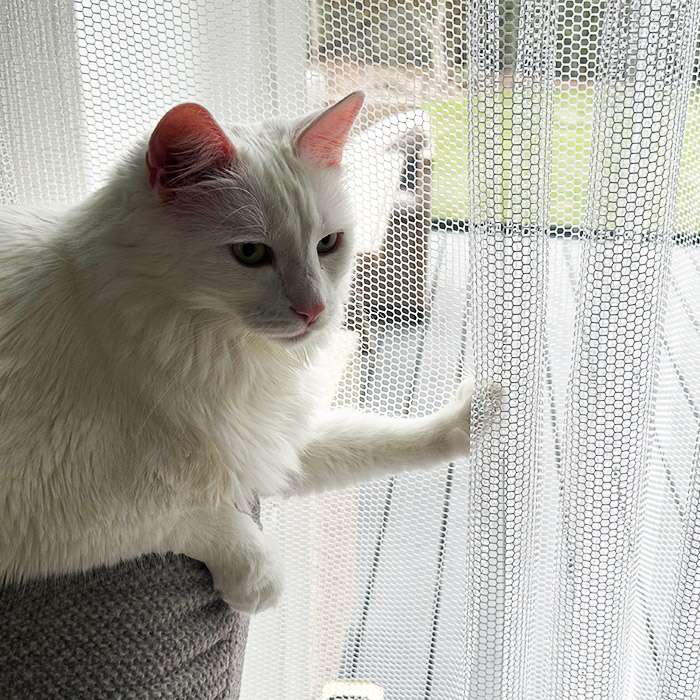
Thin, soft, wavy, and easily moving curtains are a cat’s dream. But heavy, stiff fabrics are less attractive. It also matters how the curtains are installed - are they floor-length and accessible, or short and hard to reach?

How to keep your curtains safe?

Here are some practical tips.

Offer alternatives:

  • A sturdy scratching post near the window.

  • A tall cat tree or wall-mounted shelves.

  • A “cat balcony” or perch on the windowsill.

Make curtains less attractive:

  • Hang them in a way that makes it hard to swing or climb.

  • Choose fabrics cats dislike - rougher or stiffer materials.

Redirect with play:

  • Use feather toys, balls, or even something simple like a bottle cap.

  • Some cats go crazy for crinkled candy wrappers.

  • Play with your cat in the evening - it helps them stay calm at night.

Try scratch-resistant curtains

This can be a stylish and practical solution, specially designed for cat households.

Cat + Curtains = A Possible Friendship

While it may seem like kittens and curtains are sworn enemies, it’s often just a temporary phase — or a problem with a solution.
You don’t have to choose between a beautiful interior and a beloved pet.
What matters is understanding your cat’s behavior, offering the right alternatives, and applying smart solutions that help create a harmonious home for both humans and animals.

Is it worth trimming cats’ nails?

Is it worth trimming cats’ nails?

Be kategorijos

Every cat owner has wondered at least once whether they should trim their pet’s nails. At first glance, it seems like a logical way to protect the home environment (furniture, floors, or curtains) from scratching. However, it’s important to consider not only the practical aspect but also the cat’s health and behavior.

Why do cats scratch things?

Natural instinct. For cats, scratching is a way to care for their nails by removing the top, loose layer of the nail.
Marking. Cats have scent glands in their paws, and by scratching surfaces, they leave their scent behind. This is how they mark their territory.
Movement training. Scratching also helps cats stretch their muscles and relieve tension.

When should you trim a cat’s nails?

Nails are too long. If you notice the nails have grown excessively (for example, they start catching on the carpet when the cat walks), then it’s time to trim them.
Health problems. Sometimes, if nails are growing incorrectly (for example, tending to grow into the paw pad), a veterinarian may recommend trimming them regularly.
Excessive indoor activity. If the cat frequently scratches furniture or other household items, you can try combining nail trimming with alternatives (e.g., scratching posts or special protective covers).

How to trim properly?

Proper clippers. Use special clippers or trimmers designed for animal nails.
Caution. Only trim the clear part of the nail. Avoid the pink area, as it contains blood vessels which, if cut, can bleed and cause the cat pain.
Preparation. If the cat isn’t used to this procedure, it’s better to wait until they’re calm, tired, or sleeping.
Positive associations. After trimming each nail, offer a treat or pet the cat so they associate the procedure with pleasant experiences.

Is it always necessary to trim nails?

Not always. Cats with enough scratching surfaces (e.g., scratching posts, mats) may need nail trimming very rarely or not at all. Cats living outdoors or those who go outside often naturally wear down their nails by scratching tree bark or other outdoor surfaces. However, if a cat only lives indoors, its nails may grow too long, especially if there aren’t sufficient scratching surfaces.

In such cases, occasional trimming is a reasonable solution to prevent damage to the home and injury to the paws.

Even if you regularly trim your cat’s nails, it may still decide to showcase its “scratching art” on the curtains. If you want to protect your interior but don’t want to constantly worry about potential damage, it’s worth considering special daytime curtains that are more resistant to pets’ nails and teeth.

Why are curtains worth considering?

Durable fabric. These curtains are made from a denser, more damage-resistant material, so they’re not easily torn.
Longer service life. By investing in high-quality curtains, you can avoid frequent replacements.
Additional protection. Curtains not only protect against direct sunlight and curious passersby, but also remain attractive even when your cat engages in its “nail exercises.”

Concluding remarks

To trim or not to trim?
If your cat lives strictly indoors and doesn’t have many opportunities to wear down its nails naturally, trimming them responsibly can be a great solution. However, remember that you must do it properly and carefully to protect your cat’s health and well-being.

Don’t forget the alternatives.
Provide your cat with various scratching posts, giving it a place to satisfy its need to scratch.

Scratch-resistant curtains.
Even with supervision, regular nail trimming, and several scratching posts available, your cat might still take an interest in your curtains. By choosing special daytime curtains made from durable, scratch-resistant fabric, you can protect your home from unnecessary damage.

Finally, it’s important to remember that scratching is a natural behavior for cats, helping them maintain good health and psychological comfort. So, look for the best compromise: ensure suitable conditions for your cat and, if needed, opt for practical and sturdy interior details that not only enliven your home but also withstand your little predator’s claws.